SOUTH AFRICA | 7 DAY JOURNEY
Tour Summary
As North America sinks into the short, cold, and dark days of winter, we decided to stretch our arms wide in a warm South Africa. Our time in South Africa, from the vibrant streets of Cape Town to the wild landscapes of Kruger National Park, was an unforgettable escape from the winter chill. The diversity and beauty of the wildlife and landscapes made it a truly remarkable experience.
Cape Town provided a perfect mix of natural wonders and cultural experiences:
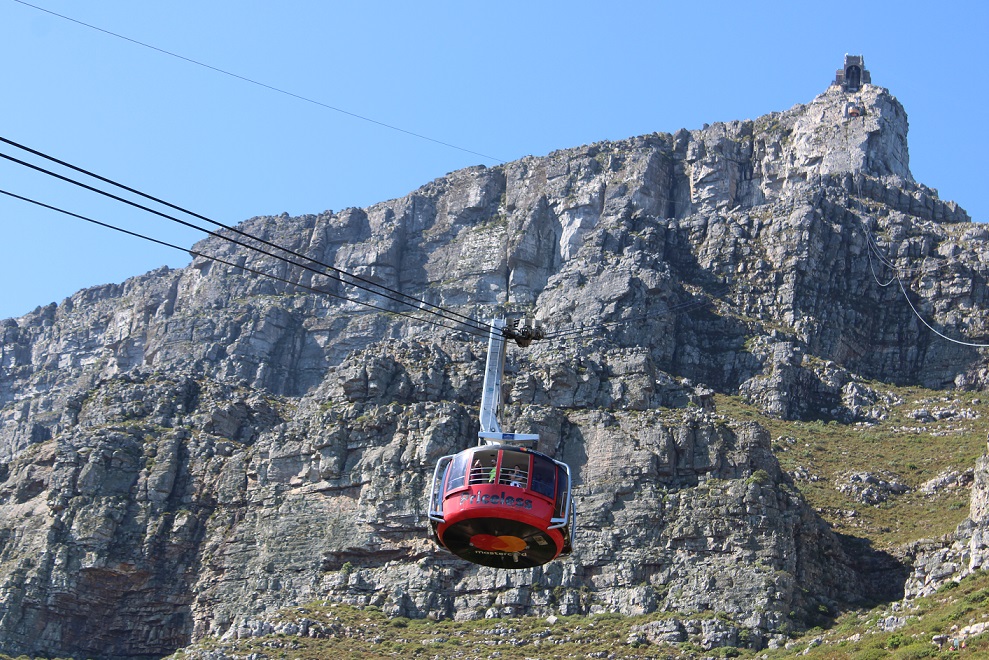
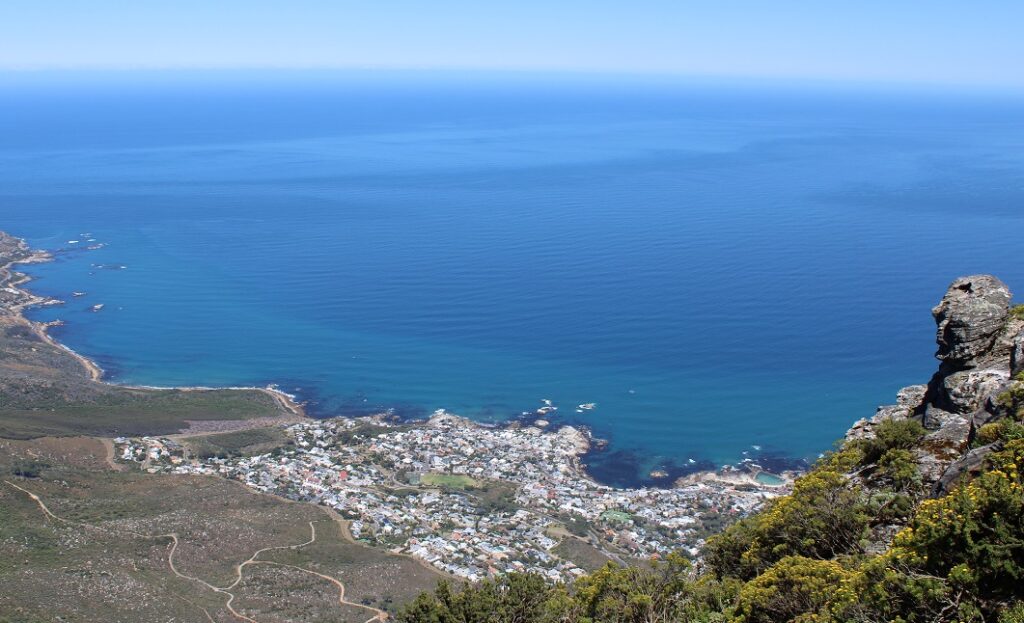
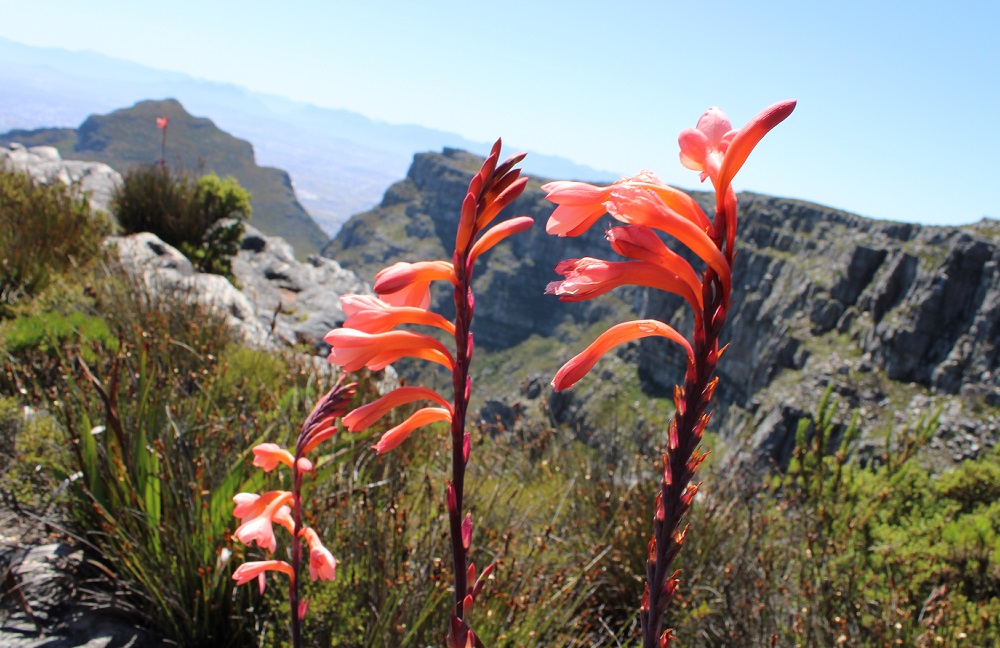
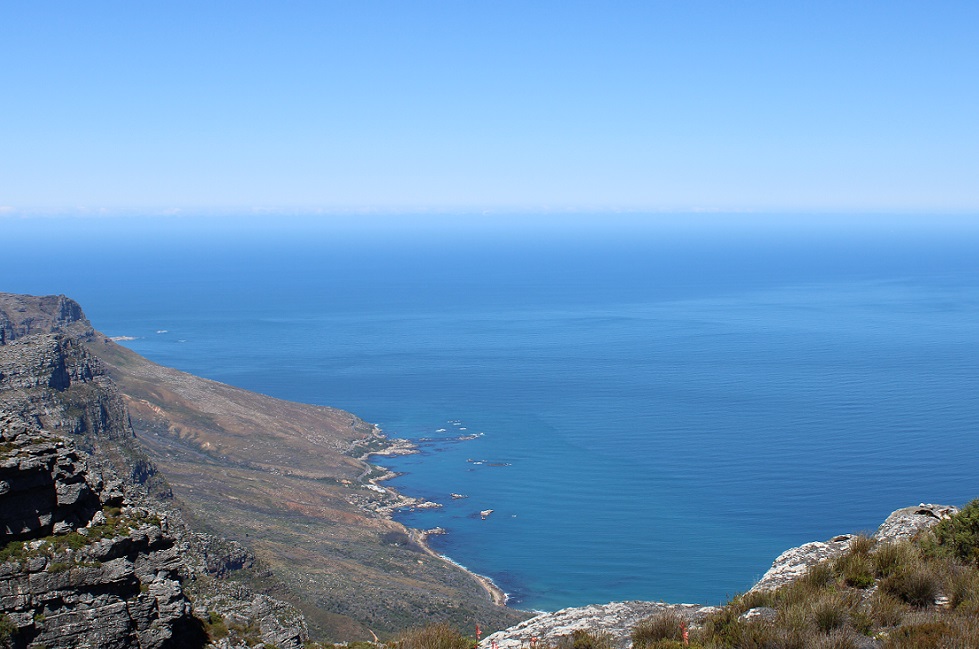
- Table Mountain: This iconic flat-topped mountain offers stunning panoramic views of the city, the Atlantic Ocean, and the surrounding landscape. The journey up, whether by hiking or taking the cable car, reveals the rich biodiversity and unique flora of the area.
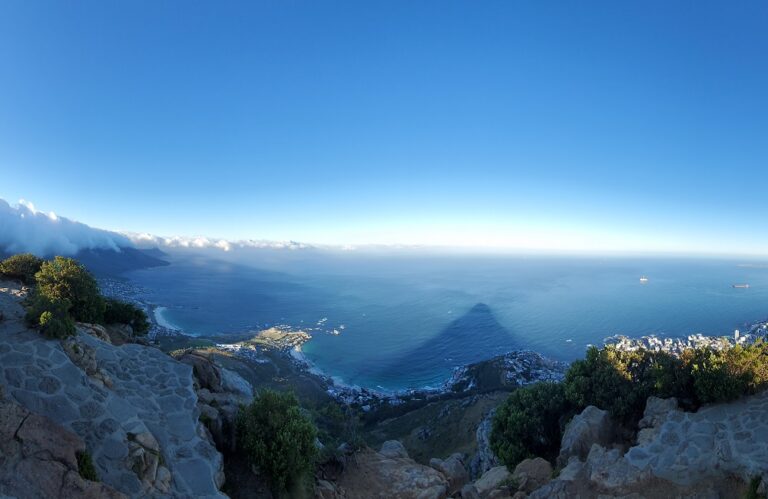
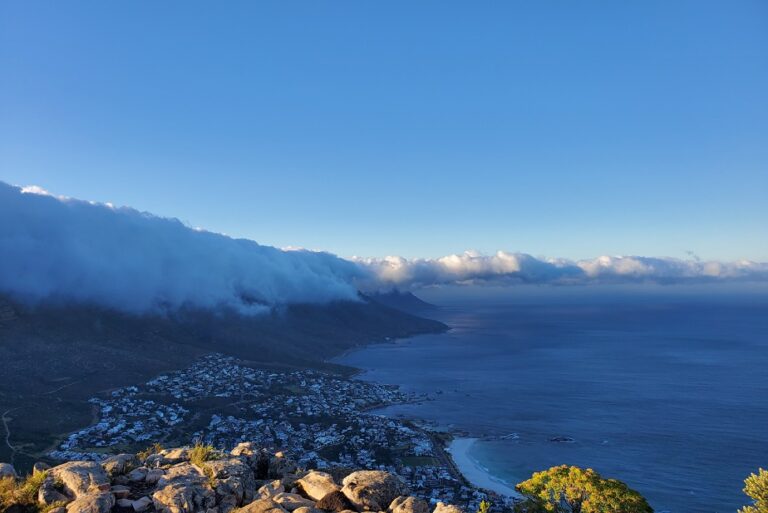
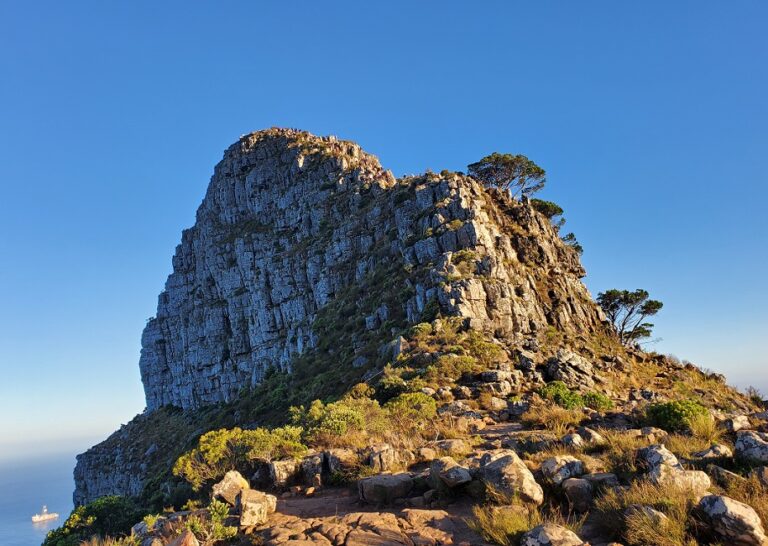
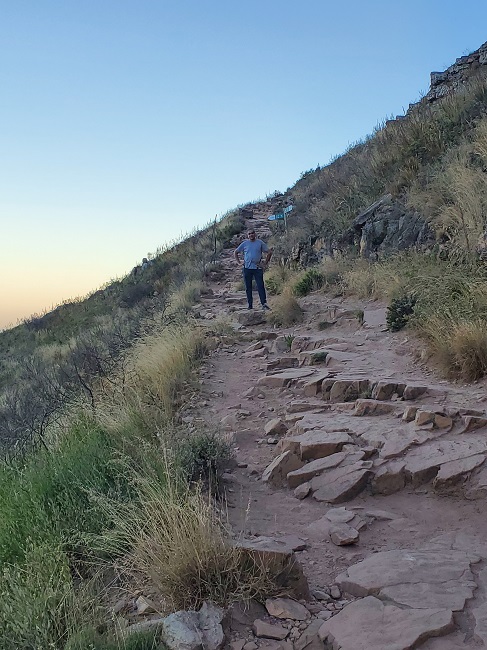
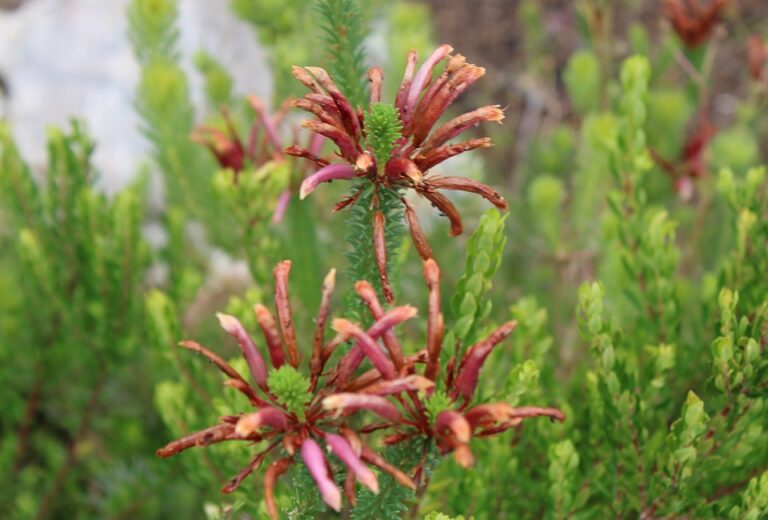
- Lion’s Head Hike: Starting our day with an exhilarating hike up Lion’s Head was a highlight. The trail winds through fynbos vegetation, with rocky outcrops and narrow pathways adding to the adventure. The summit offers breathtaking views of Cape Town, Table Mountain, and the ocean, making the effort well worth it.
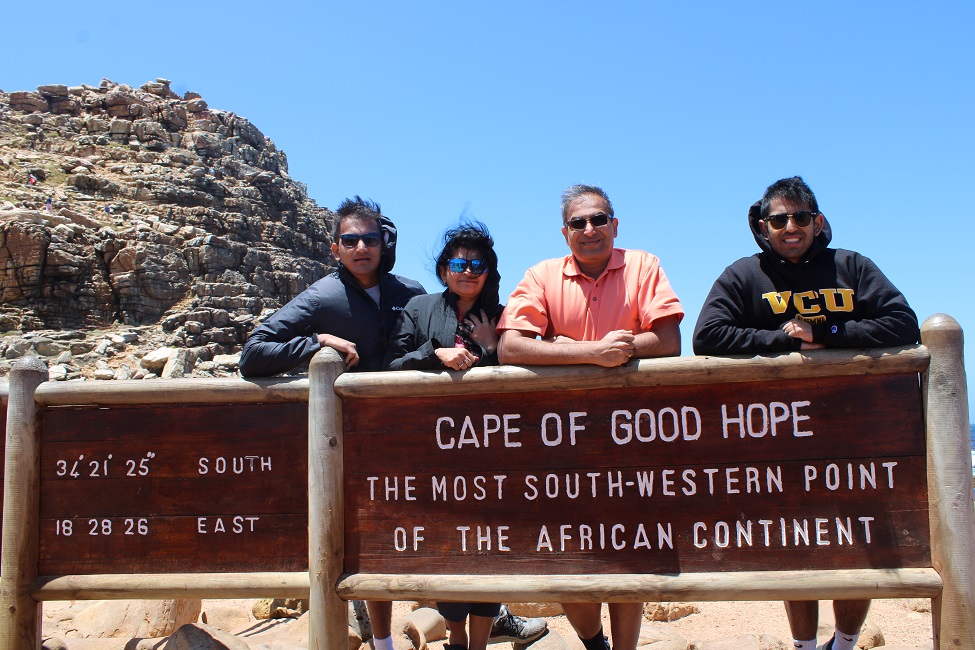
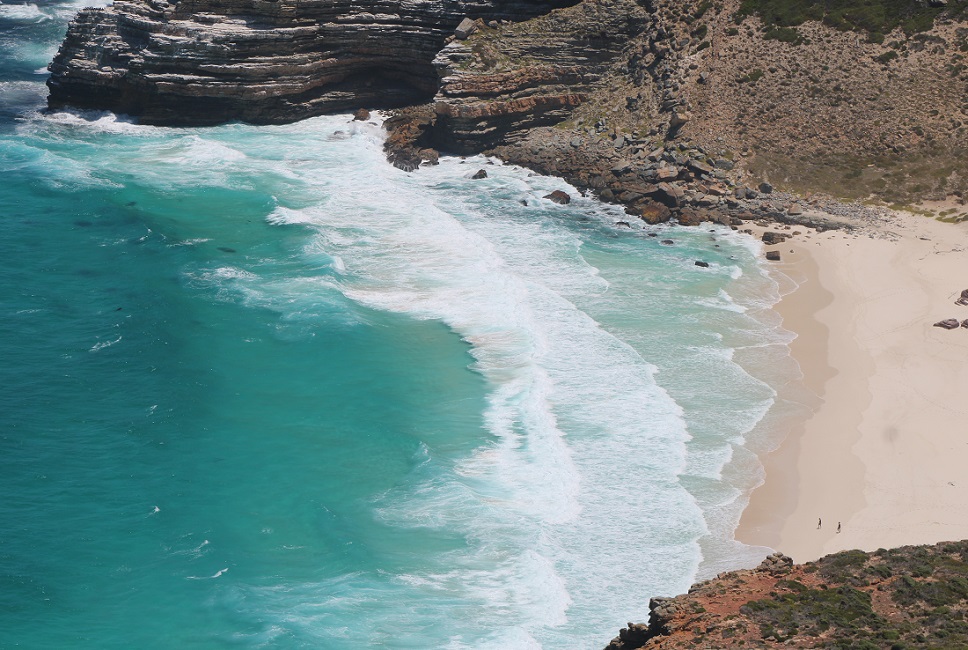
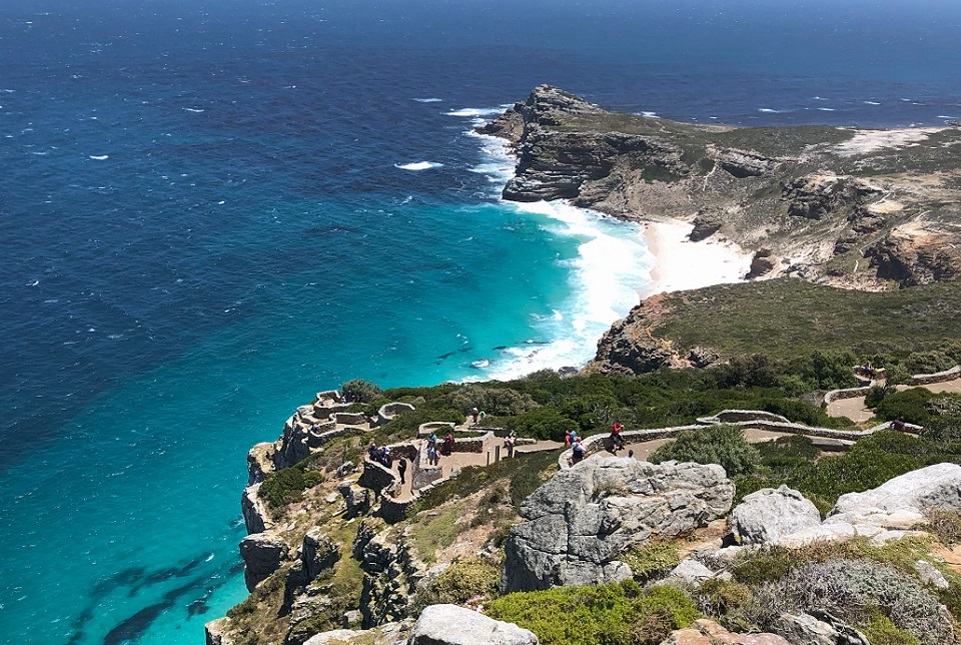
- Cape of Good Hope: Known for its dramatic cliffs and rich biodiversity, the Cape of Good Hope is a must-visit. The area is often mistaken as the southernmost tip of Africa, but it is actually Cape Agulhas. Nevertheless, its rugged beauty and abundant wildlife make it a fascinating destination.
- V&A Waterfront: This bustling area is filled with shops, restaurants, and attractions like the Two Oceans Aquarium. It’s a great spot for leisurely walks, harbor views, and soaking up the vibrant atmosphere.
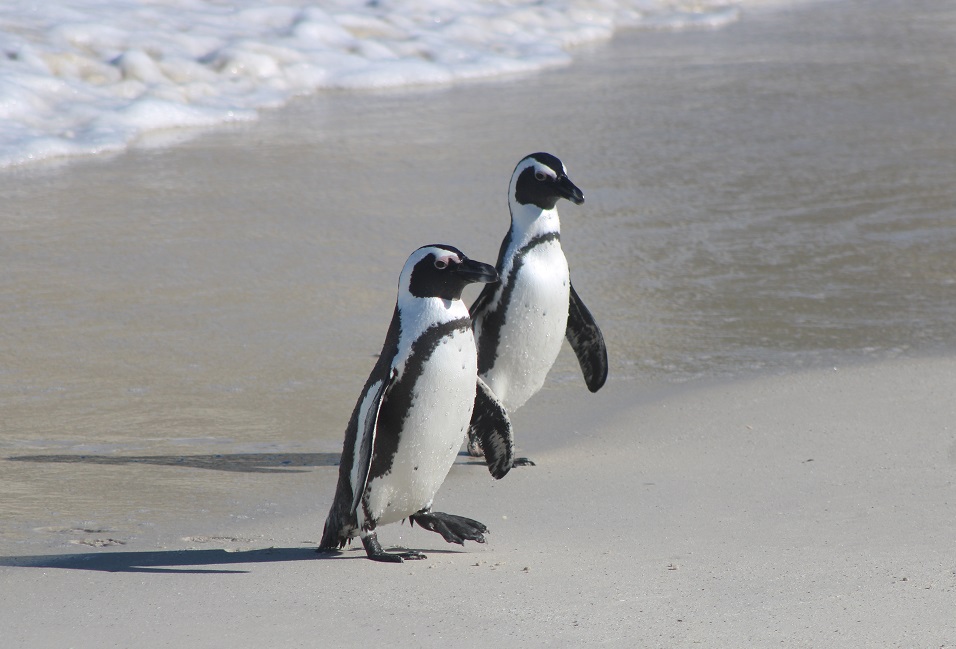
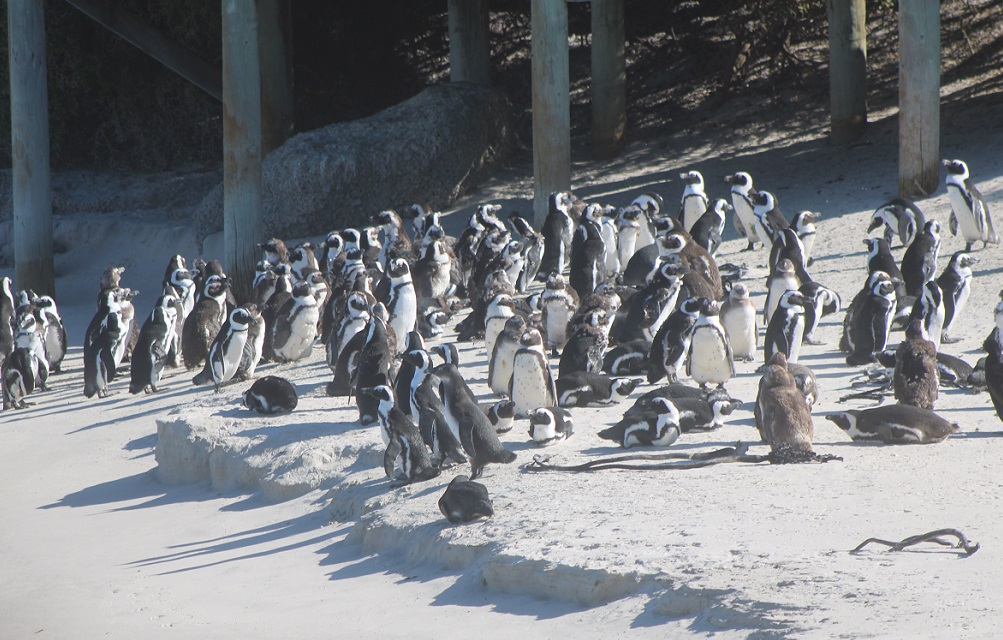
- Boulders Beach: Home to a colony of endangered African penguins, Boulders Beach offers a unique opportunity to observe these charming birds up close. Despite the windy conditions and blowing sand, seeing the penguins was a memorable experience.
Kruger National Park Safari provided a thrilling and relaxing safari experience:
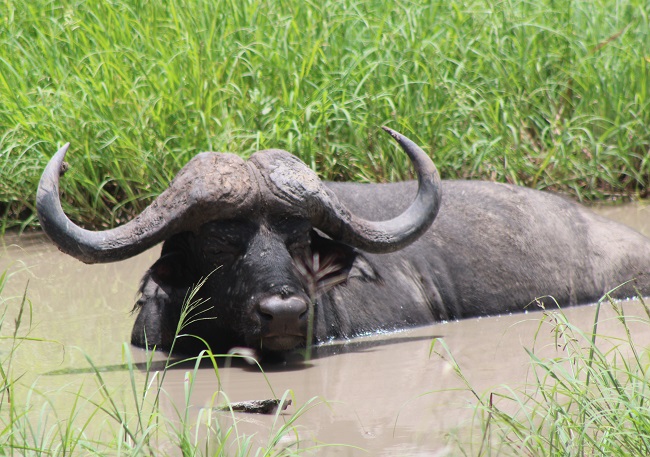
- Big Five: We were fortunate to spot all five of these majestic animals—lion, leopard, elephant, rhino, and Cape buffalo. Each sighting was a testament to the park’s rich wildlife and our guide’s expertise.
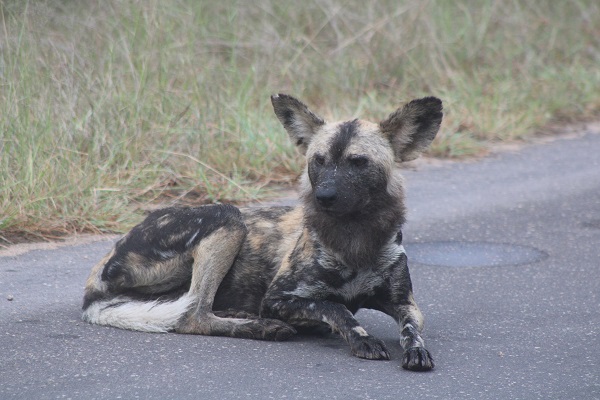
- Magnificent Seven: In addition to the Big Five, we also saw the wild dog, Missed cheetah from Magnificent Seven.
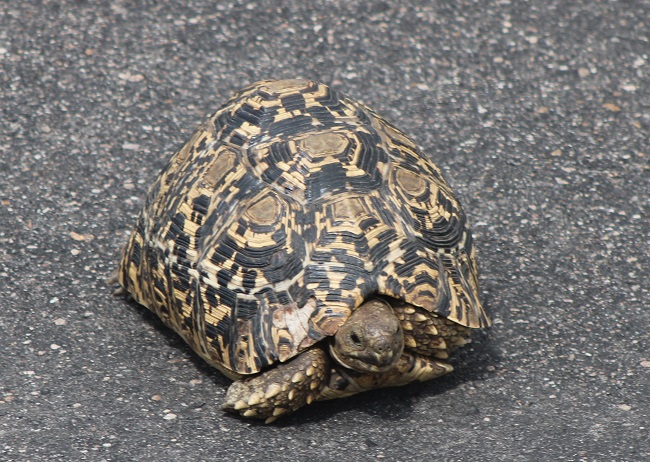
- Little Five: We spotted the ant lion and leopard tortoise, adding a unique twist to our safari adventures and highlighting the park’s incredible biodiversity.
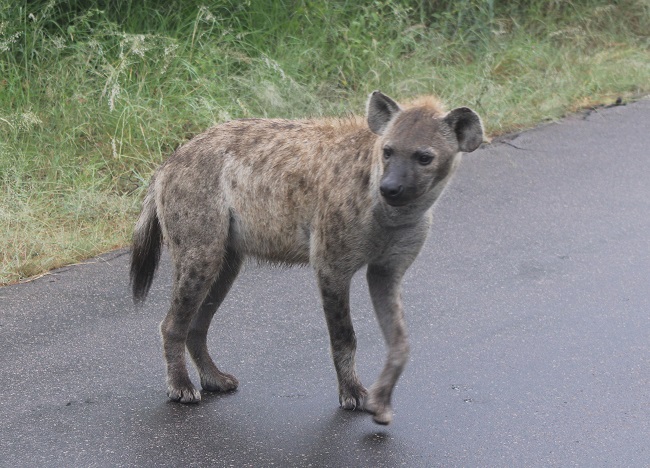
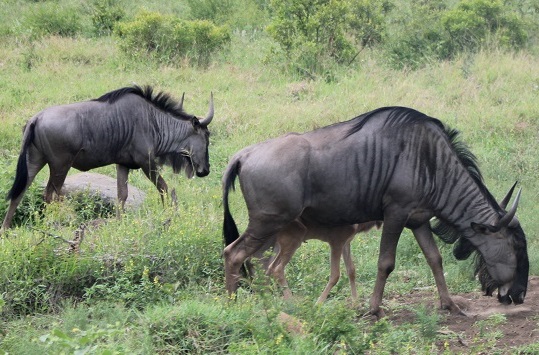
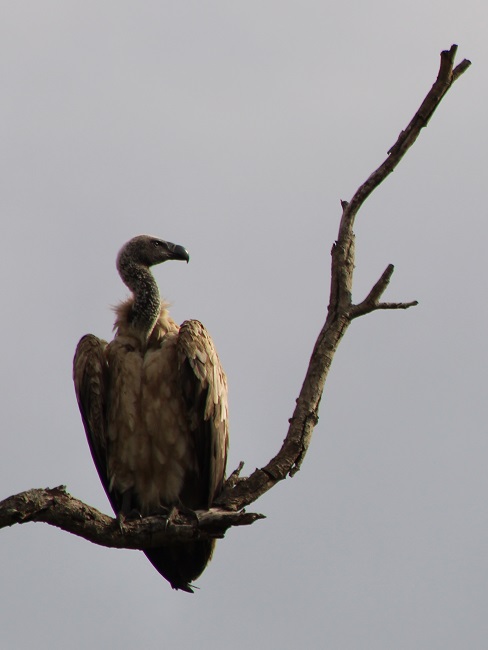
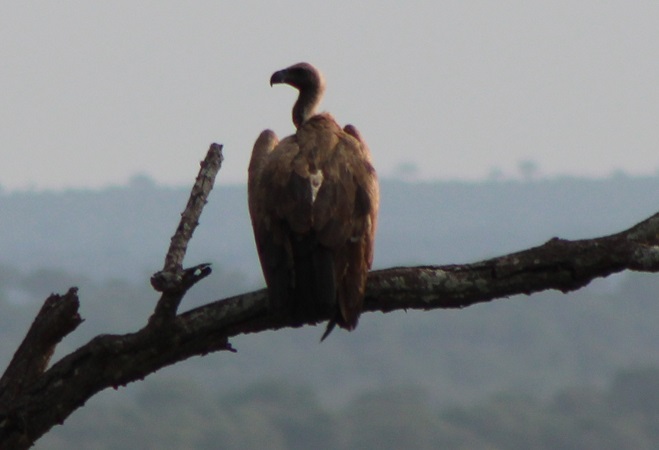
- Ugly Five: Encountering the hyena, marabou stork, vulture, and wildebeest reminded us of the important roles these animals play in the ecosystem, even if they are less glamorous than others.
Our escape to South Africa, from the vibrant urban experiences in Cape Town to the raw and untamed beauty of Kruger National Park, was an extraordinary journey. The country’s rich wildlife and stunning landscapes left us with memories to cherish and a deep appreciation for its natural beauty.
- Phone:+1 (859) 254-6589
- Email:info@example.com
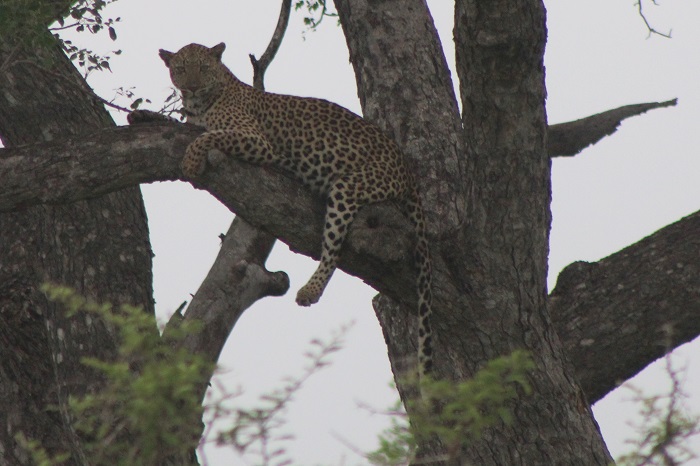
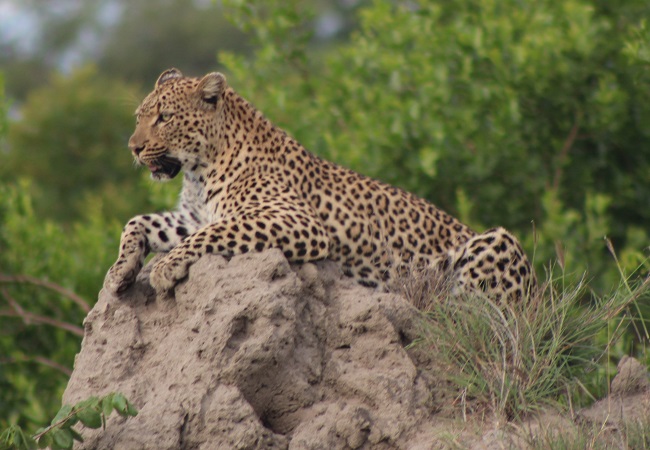
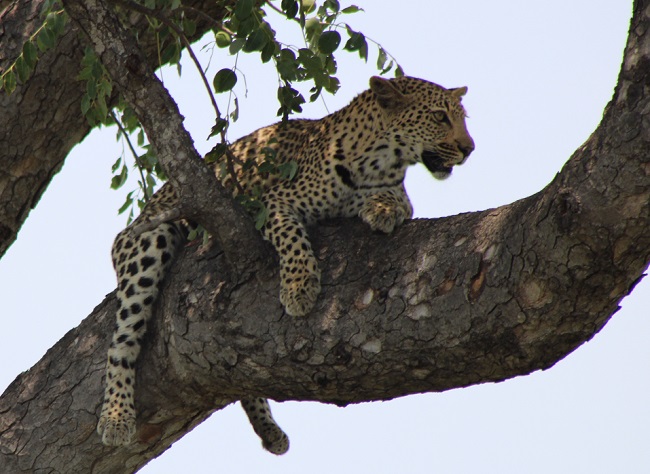
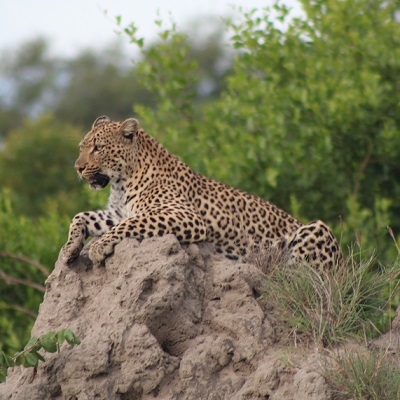
Big Five, the Kruger National Park has an estimated 1000 leopards we were lucky to spot leopard multiple times.
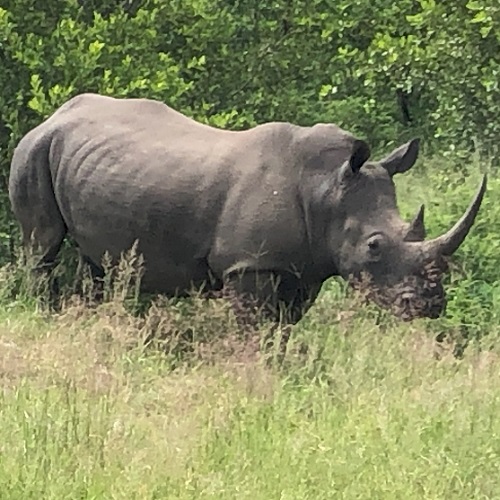
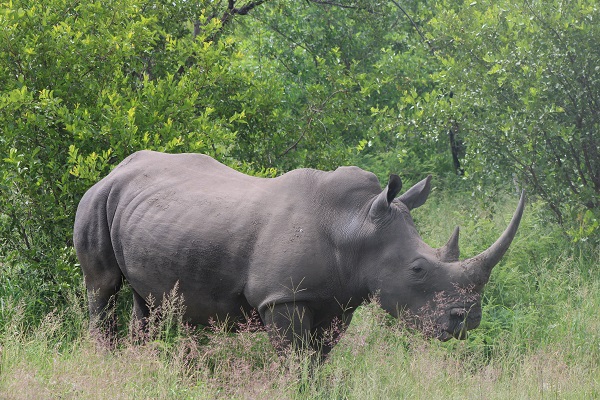
Big Five, the Kruger National Park has an estimated 5000 Rhino. Close encounter with Rhino.
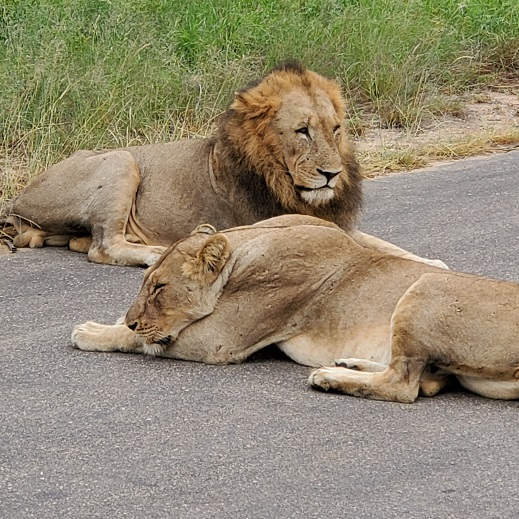
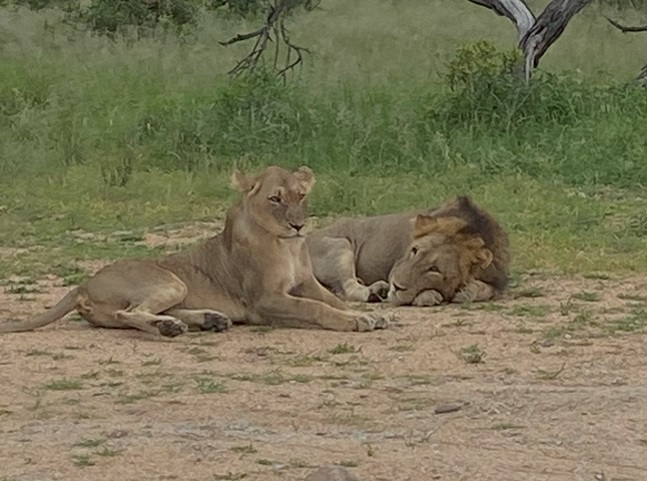
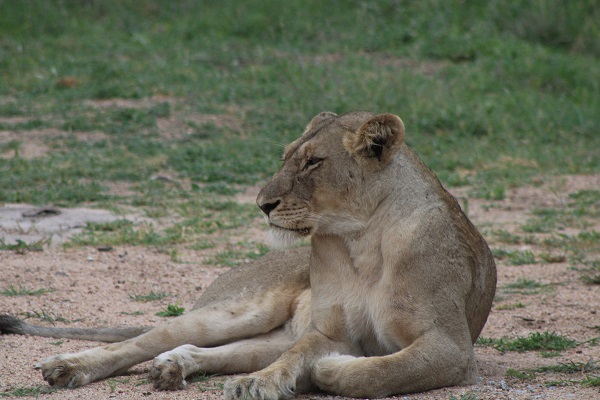
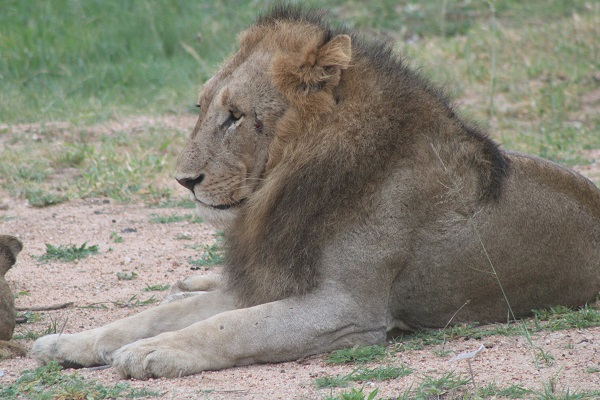
Big Five, the Kruger National Park has an estimated 1600 Lions.
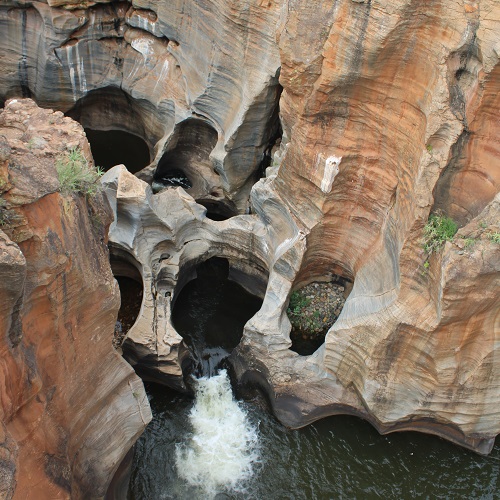
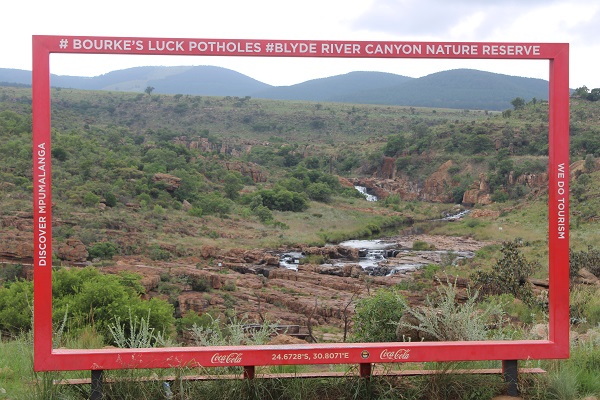
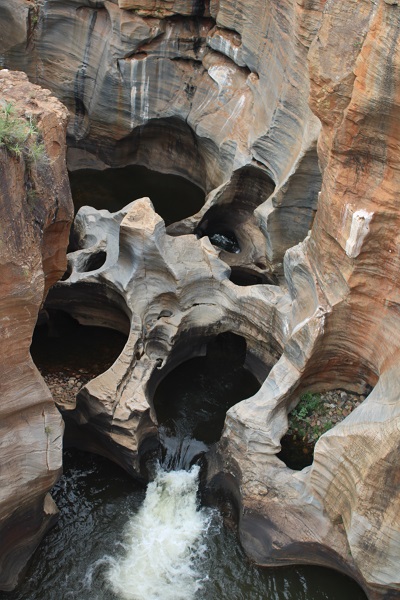
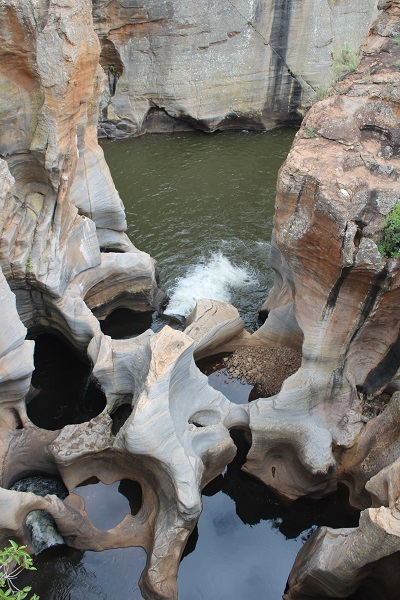
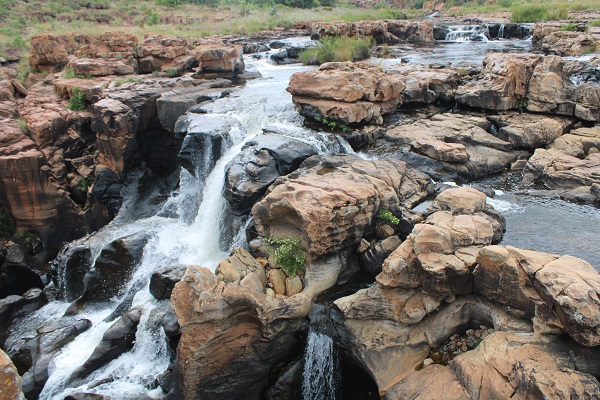
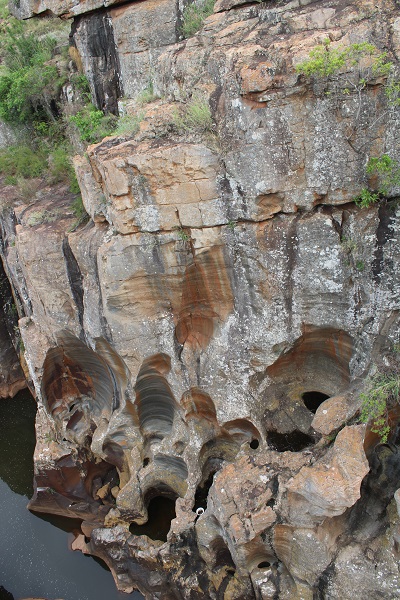
Here at the mouth of the Blyde River Canyon, the two rivers formed swirling eddies of water. Over time, this formed huge cylindrical potholes in the sandstone bedrock.
DAY 1
TABLE TOP MOuNTAIN
Embarking on a journey through Cape Town, affectionately known as the Mother City, reveals a remarkable cultural mosaic. This dynamic metropolis stands as a testament to the blending of various nationalities and indigenous tribes, weaving together a tapestry of heritage and identity unlike any other. Amidst the towering high-rise office buildings, Cape Town proudly preserves a harmonious fusion of architectural styles. From elegant Edwardian and Victorian designs to distinctive Cape Dutch buildings, the city’s rich architectural heritage is meticulously maintained. Meandering through narrow cobblestone streets, I encountered the vibrant Islamic influence of the Bo-Kaap, further enriching the cosmopolitan atmosphere of the city. Throughout the tour, we explored significant landmarks such as the Castle of Good Hope, a pentagon-shaped fort that stands as the oldest surviving building in South Africa. Additionally, we ventured to the Company’s Garden, originally Jan van Riebeeck’s vegetable garden established in 1652 to sustain the original colony. This expansive public park offers a glimpse into the city’s history.
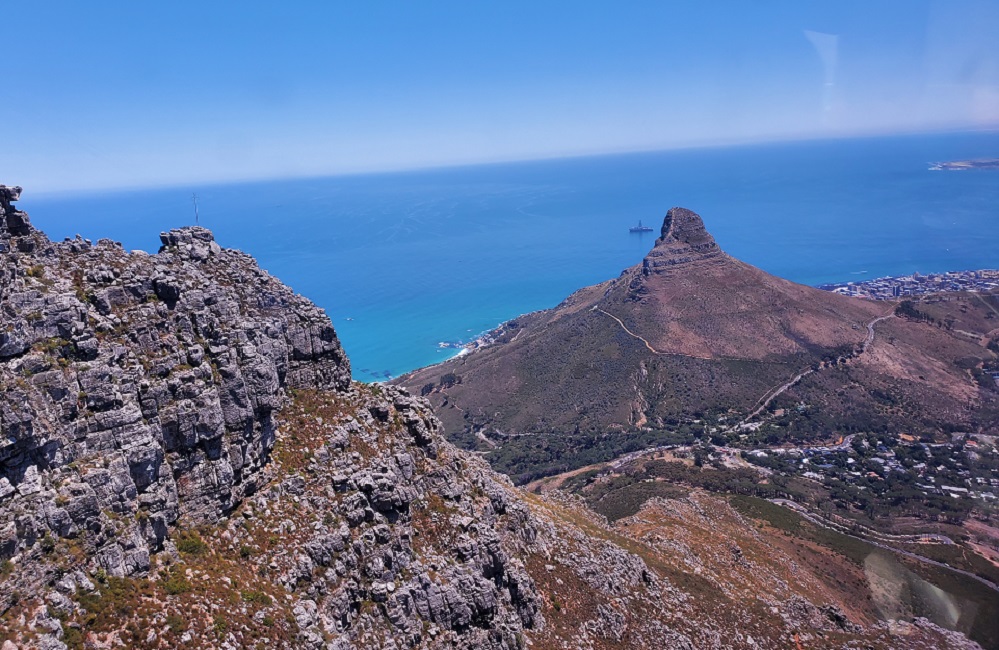
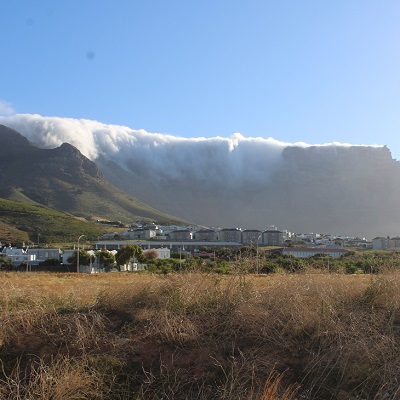
Experiencing the awe-inspiring panoramas of Cape Town was unforgettable as I ascended via the aerial cableway to the plateau crowning Table Mountain. Departing every 10 to 15 minutes, the cable cars rotated 360 degrees as they climbed to 302 meters above sea level, granting me sweeping views of the city below. Within just five minutes, I reached the summit and marveled at Cape Town’s breathtaking vistas. Renowned as the Mother City, Cape Town is defined by its iconic mountain, flanked by Devil’s Peak to the east and Lion’s Head to the west, creating a stunning backdrop to the urban landscape. Table Mountain boasts an exceptionally diverse ecosystem and is a crucial part of the protected Cape Floral Region. I kept an eye out for rock hyraxes, locally known as dassies, darting through the scrub. From the summit, I enjoyed panoramic views encompassing Table Bay, Robben Island, and the captivating expanse of the Atlantic seaboard. The Victoria & Alfred Waterfront was another mesmerizing destination, where the southern continent meets the ocean. With the iconic Table Mountain as its majestic backdrop, this waterfront area enhanced the splendor of Cape Town’s marina. Overall, the tour of this captivating city provided an immersive experience into its rich cultural heritage and storied past.


DAY 2
cape of good hope
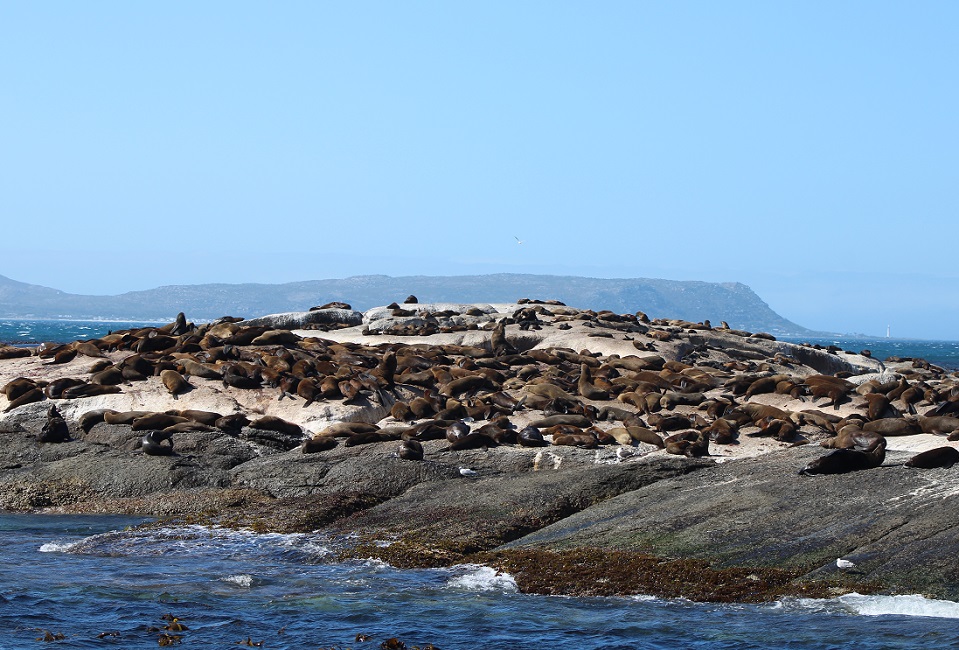
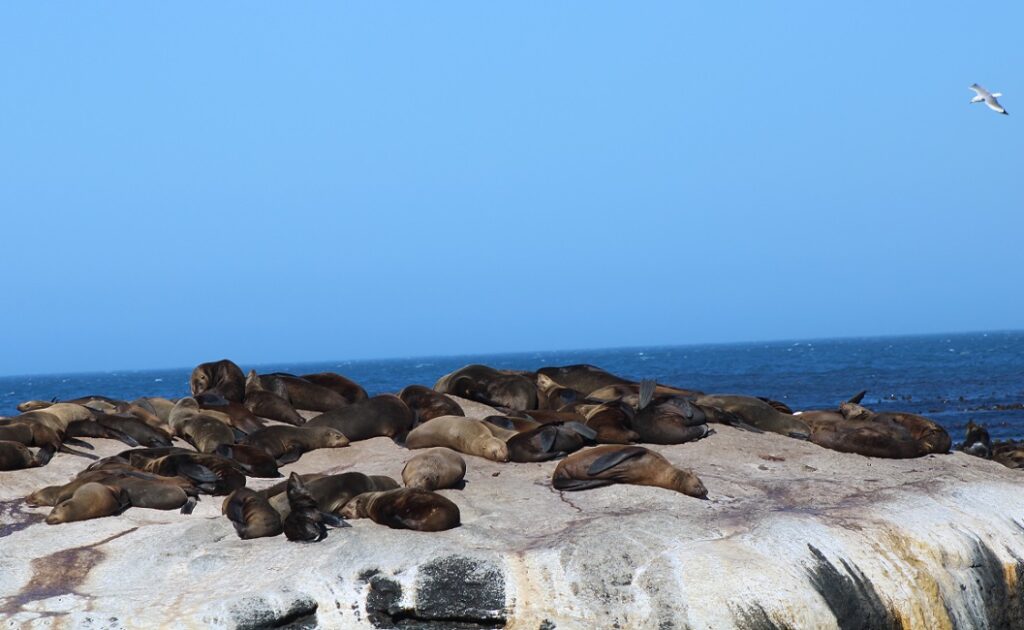
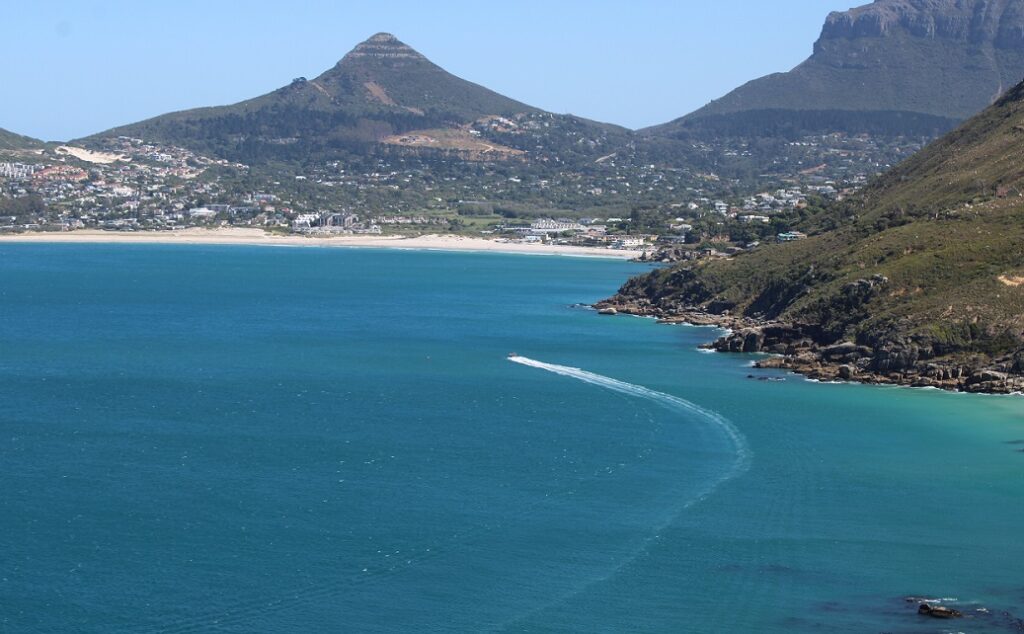
Our day trip began with a scenic boat cruise departing from Hout Bay Harbour to Duiker Island. This island serves as a sanctuary for thousands of Cape Fur seals and hosts a diverse array of seabirds, including gannets, cormorants, and seagulls. Although landing on the island is prohibited by law, the cruise brought us within close proximity to the seals. These playful creatures appeared to relish the attention, showcasing their incredible agility with mesmerizing dives and twists, captivating everyone on board.
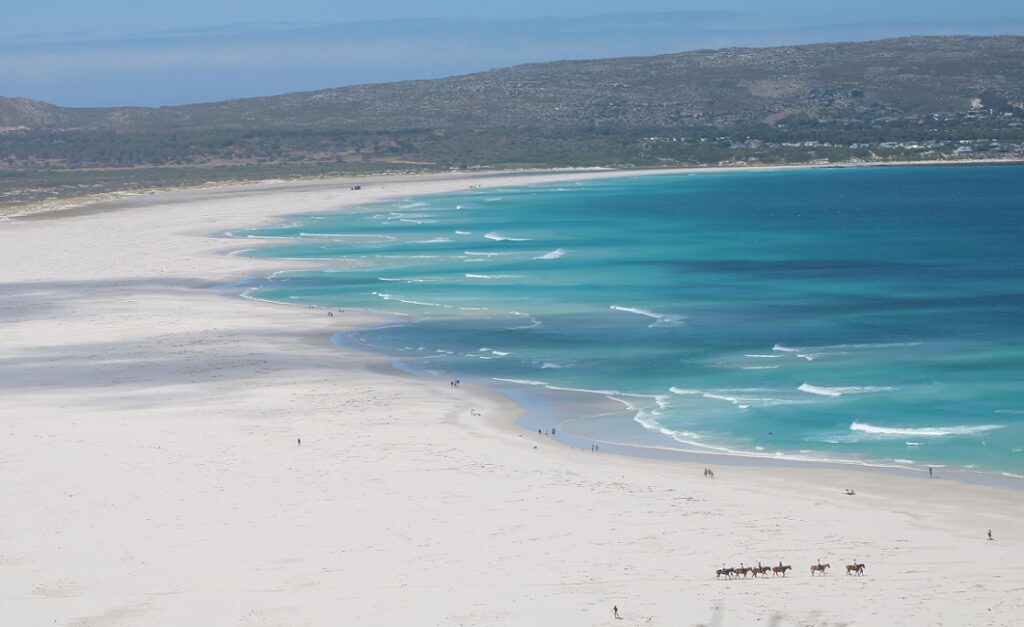
Next, we explored the Cape of Good Hope Nature Reserve, globally renowned for its remarkable land formations, diverse fauna, and unique flora. Legendary landmarks such as Cape Point and the Cape of Good Hope have served as crucial navigational beacons for early explorers, steeped in myths and legends. Initially dubbed the Cape of Storms by Bartholomew Dias in 1488, it was later renamed by King John II of Portugal. The Cape of Good Hope captivated us with its scenic beauty, where pristine white sandy beaches blended with rugged rock formations and dramatic cliffs. The convergence of the cold Atlantic Ocean and the warmer Indian Ocean creates a distinct coastal environment, making it one of the world’s most prolific marine zones.
Our journey continued to Boulders Beach, where we immersed ourselves in the enchanting world of African penguins. Despite the windy conditions and blowing sand, we were thrilled to complete a bucket list item: seeing penguins without having to go to Antarctica. Named after the large, smooth boulders that adorn its coastline, Boulders Beach is home to a colony of endangered African penguins. This sanctuary allows these birds to roost and nest undisturbed by human interference. While the beach remains a popular spot for bathers, it harmoniously coexists with these captivating black-and-white marine birds, often spotted sunbathing on the rocks or gracefully diving into the cool waters of the Atlantic Ocean.
Nestled within the adjacent fynbos area lie their delicate nesting grounds, accessible to visitors via raised, fenced walkways designed to minimize disruption to the birds. We kept a keen eye out for nests concealed within the sand and scrubland, as devoted breeding pairs tenderly nurtured and safeguarded their precious eggs. Classified as an endangered species, African penguins find refuge at Boulders Beach, offering a rare opportunity for humans to observe and appreciate these remarkable creatures in their natural habitat.
DAY 3
lion head hike
The day commenced with an exhilarating adventure as we embarked on a hike up Lion’s Head in Cape Town. This iconic peak offers stunning panoramic views of the city, Table Mountain, and the Atlantic Ocean. The trail winds its way up the mountain, passing through fynbos vegetation and offering glimpses of local wildlife along the way. As we ascended, we encountered rocky outcrops and narrow pathways, adding to the thrill of the hike. Once at the summit, the breathtaking vistas and the beauty of Cape Town were out of this world. Whether you’re an experienced hiker or a novice, the Lion’s Head hike promises an unforgettable experience filled with natural beauty and adventure.
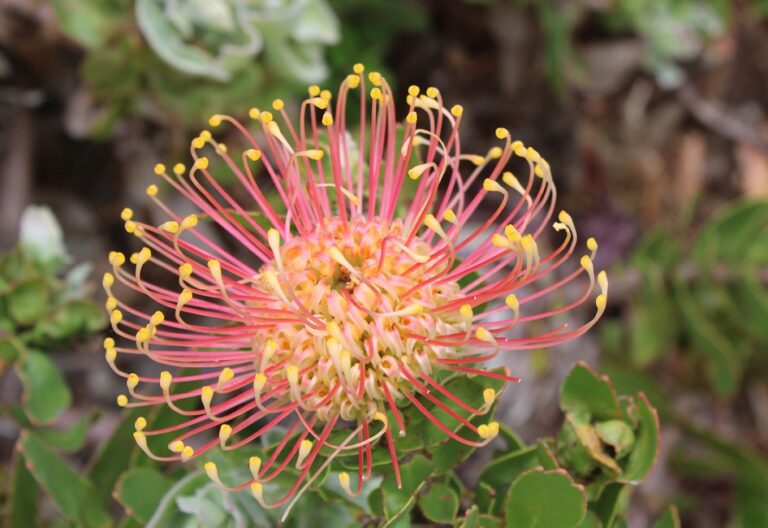
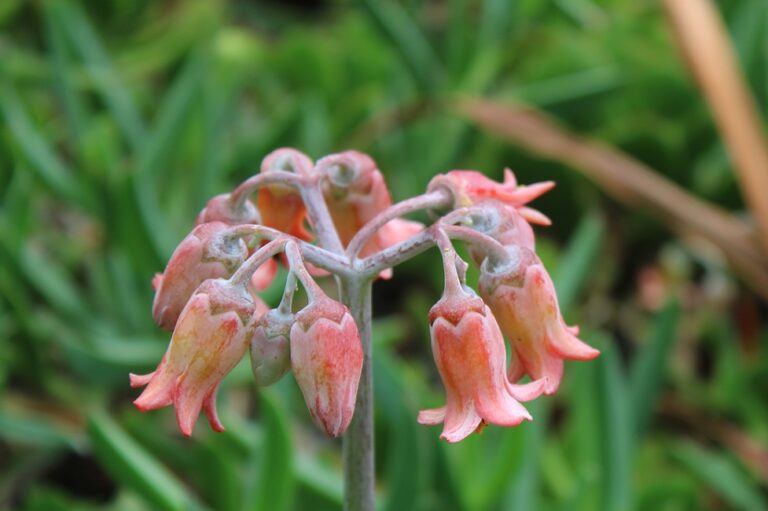
Next, we embarked on a botanical journey through the Kirstenbosch National Botanical Garden, immersing ourselves in the breathtaking diversity of Cape flora. We explored the Fragrance Garden, Medicinal Garden, and Water Wise Garden, each showcasing a rich tapestry of plant life. Highlights included the Peninsula Garden, boasting many of the 2,500 plant species indigenous to the Cape Peninsula, and the Protea Garden, adorned with magnificent displays of the king protea, South Africa’s national flower.
Established in 1913 with the aim of promoting, conserving, and showcasing the remarkably rich and diverse flora of southern Africa, Kirstenbosch now cultivates over 7,000 species. Designated as a World Heritage Site, Kirstenbosch spans 36 hectares within a 528-hectare estate, encompassing protected mountainside teeming with natural forests and fynbos, as well as a variety of animals and birds.


DAY 4
FLY to KurgER NATIONAL PARK
Cape Town was an incredible experience, but the main reason for our trip to South Africa was to embark on a safari adventure. After a 7-hour flight and a scenic road trip, we finally arrived at Kruger National Park. Our first impression of the accommodation exceeded our expectations
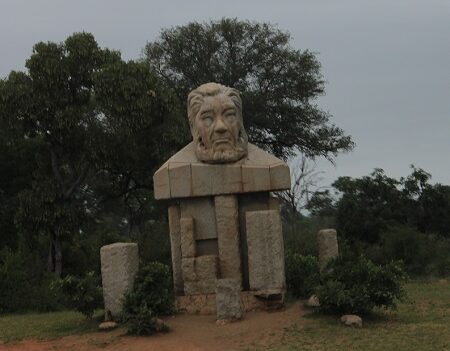
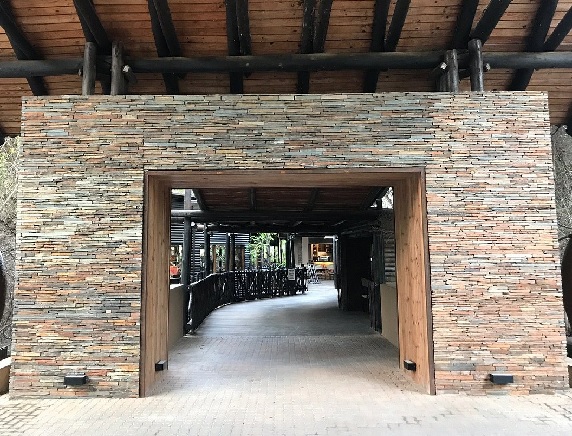
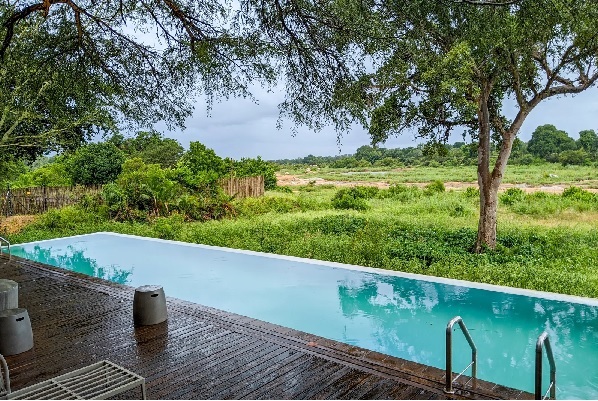
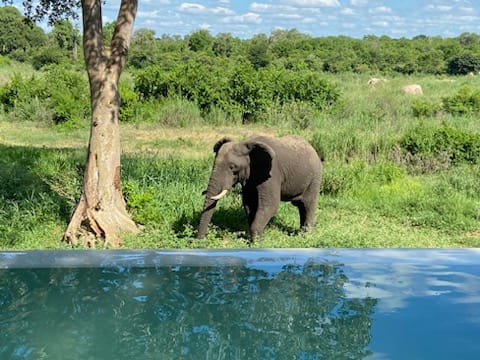
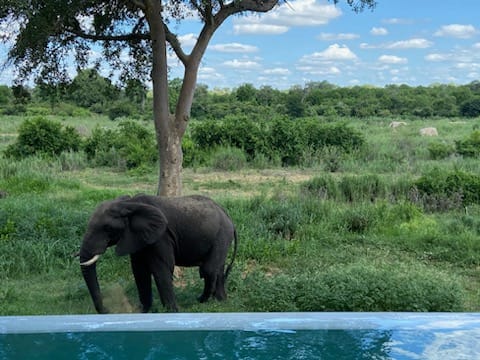
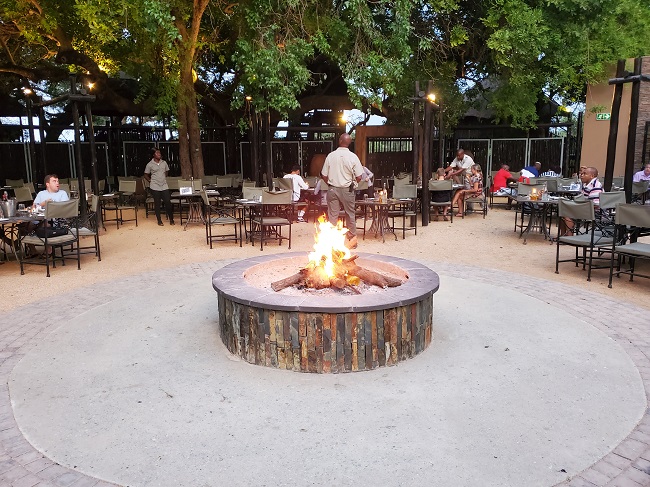
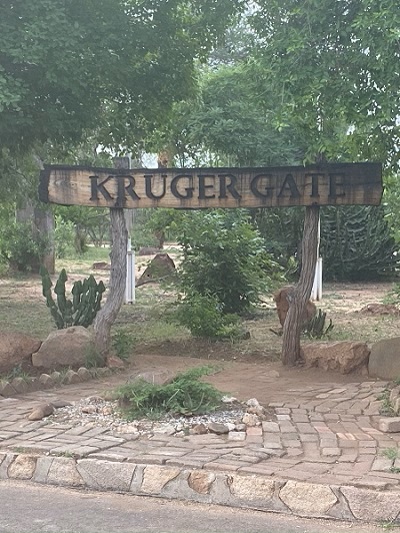
The Protea Hotel by Marriott, nestled near the Sabie River, offered us unparalleled wildlife encounters right from the comfort of our lodgings. The hotel’s prime location, less than 4 km from Paul Kruger Gate, made it an ideal base for our safari excursions. With its stunning surroundings and convenient access to the park, the hotel provided the perfect blend of luxury and nature, enhancing our overall safari experience.
DAY 5
4x4 Game DRIVE
Within the first mile of our safari in Kruger National Park, we were greeted by a remarkable sight: a leopard perched majestically in a tree. Encountering this elusive and often difficult-to-spot predator so early in our journey was an exhilarating start to our adventure. It set the tone for what would undoubtedly be an unforgettable wildlife experience, igniting our excitement and anticipation for the rest of the safari.
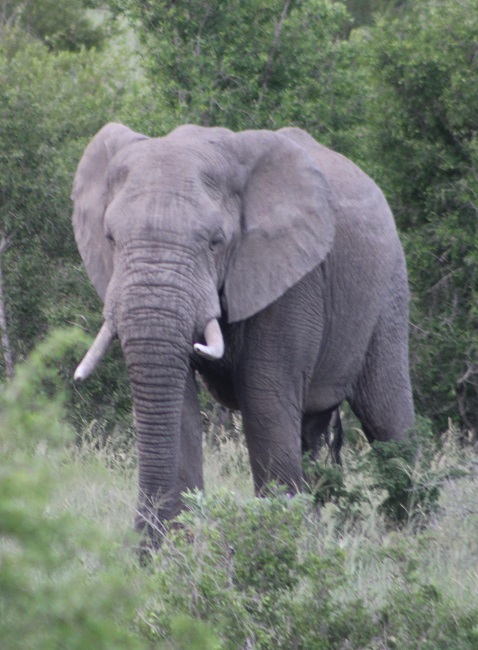
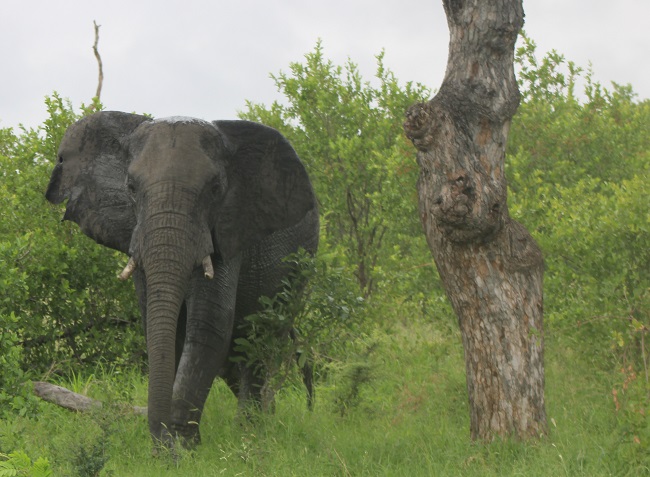
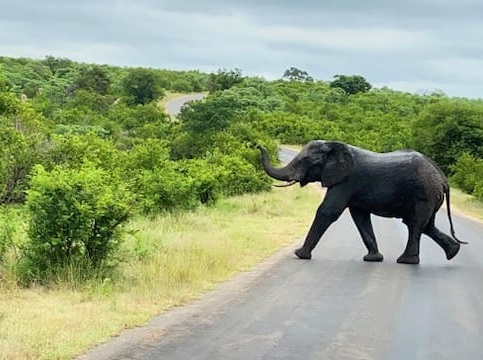
Just 10 minutes later, our excitement soared even higher as we encountered a lion and lioness. It was an awe-inspiring moment to witness these majestic creatures in their natural habitat, adding another thrilling chapter to our safari adventure. Even more thrilling was the sight of a pack of 15 wild dogs. Witnessing these highly social and elusive animals, known for their cooperative hunting strategies, was an unforgettable highlight of our safari experience. Their coordinated movements and dynamic interactions provided a rare and fascinating glimpse into the complex social structure of these remarkable predators. A few minutes later, our excitement peaked as we spotted a Rhino. This majestic creature, with its impressive size and powerful presence, added yet another unforgettable highlight to our safari experience. Next, we spotted a herd of Elephants. Watching these gentle giants move gracefully through the bush was a truly awe-inspiring sight, adding yet another unforgettable moment to our safari adventure.
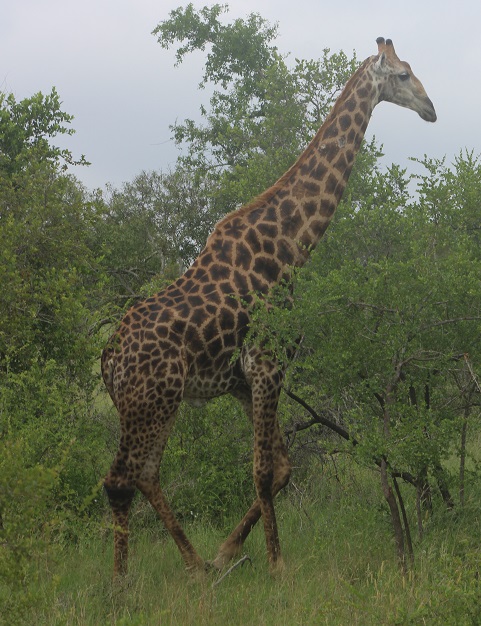
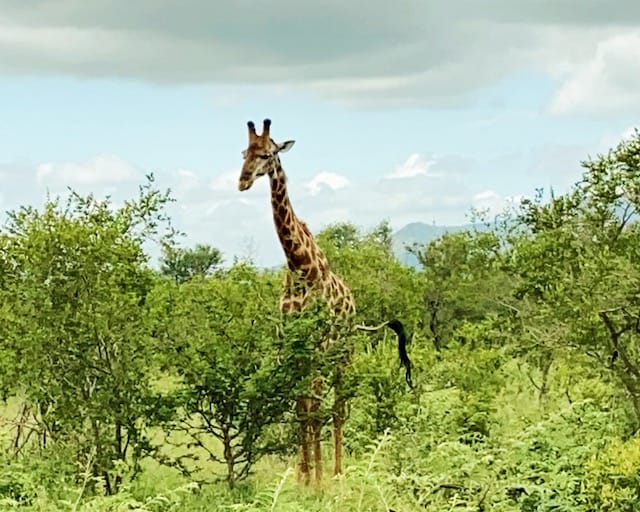
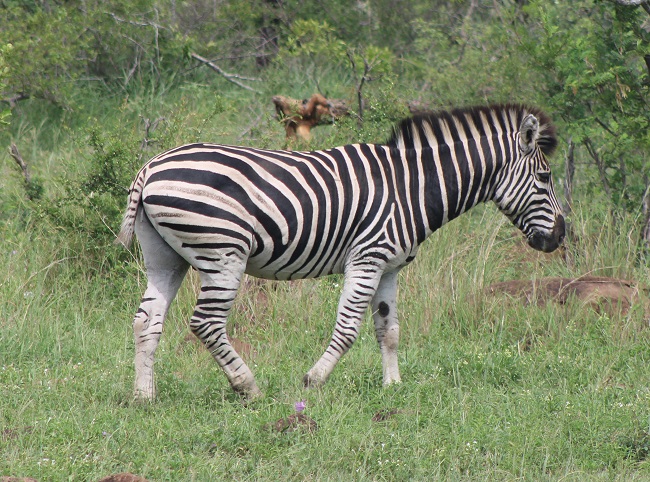
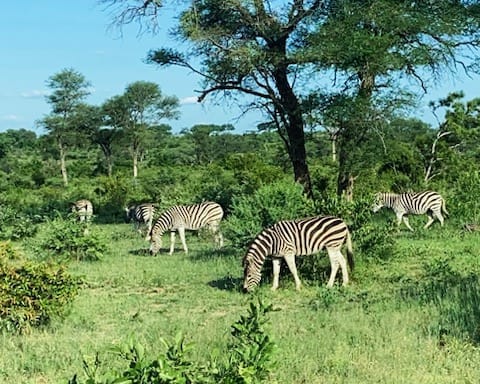
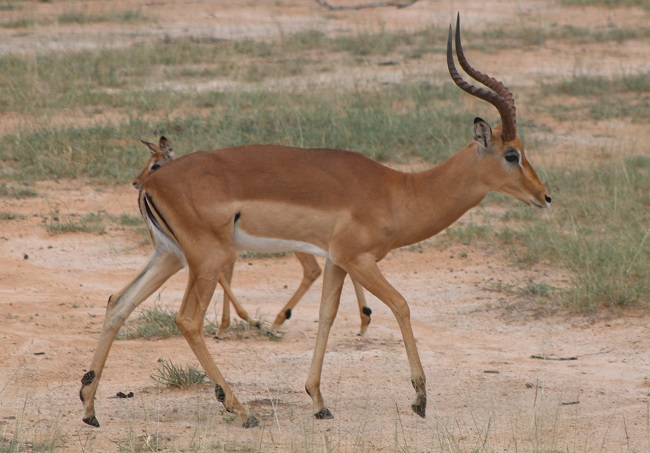
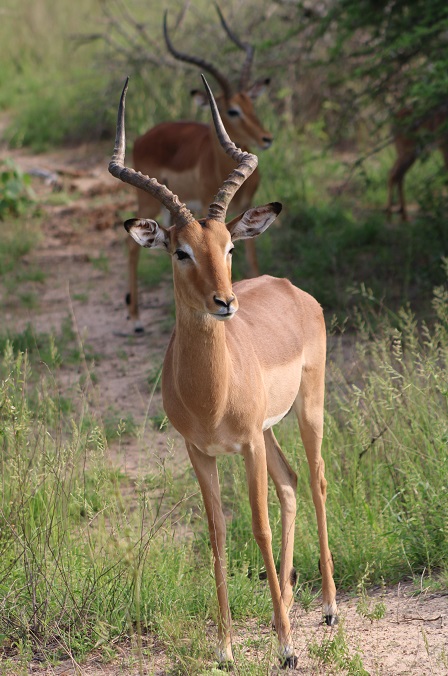
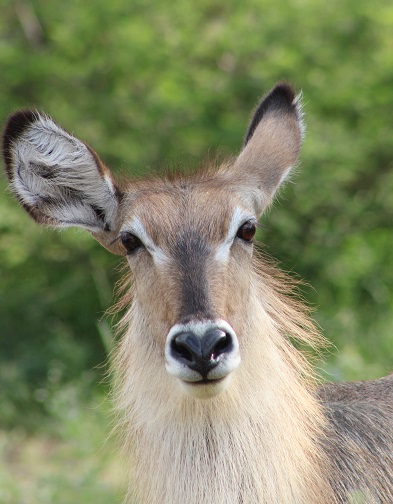
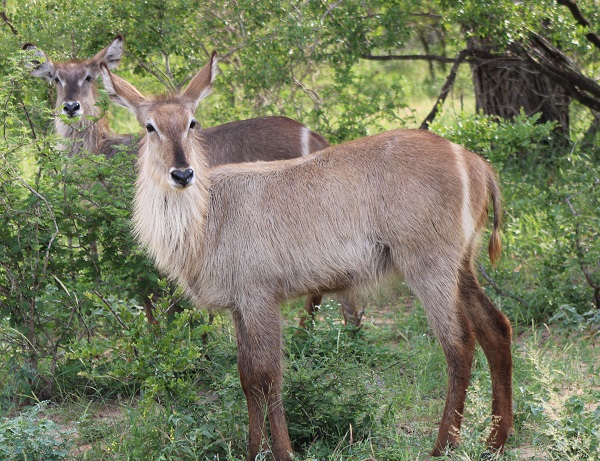
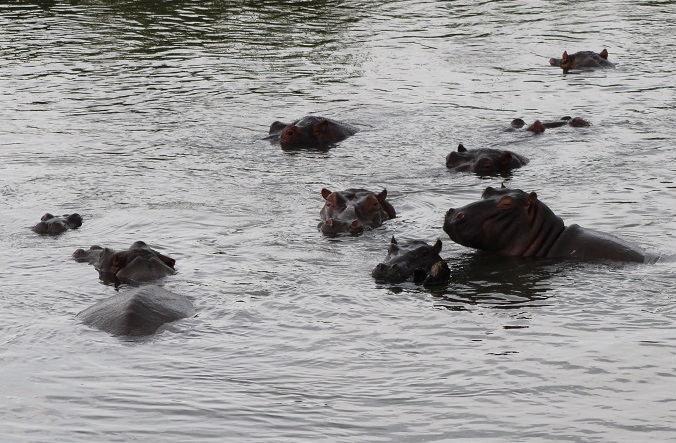
We also encountered giraffes, hyenas, zebras, antelopes, and wildebeests. Each sighting added to the richness of our safari experience, showcasing the incredible diversity of wildlife in Kruger National Park. Our guide remarked on our group’s extraordinary luck, noting that wild dogs are notoriously difficult to spot. And within moments, our luck continued as we came across a magnificent rhino. It was a testament to the incredible diversity of wildlife in Kruger National Park and made our safari experience even more remarkable.


DAY 6
4X4 GAME DRIVE
We started with amazing luck on the second day of our safari, spotting a leopard tortoise. Native to Africa, this tortoise is distinguished by its striking, leopard-like patterned shell and is one of the largest tortoise species. On the Sabie River Road from Skukuza to Lower Sabie, we were incredibly fortunate to have a close encounter with an elephant, an experience that added an extra layer of excitement to our journey.
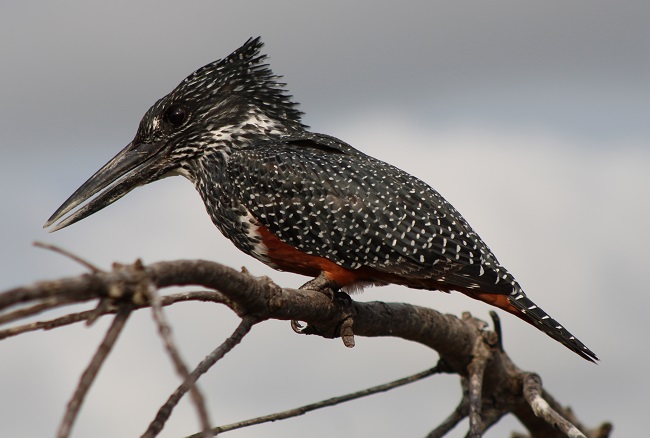
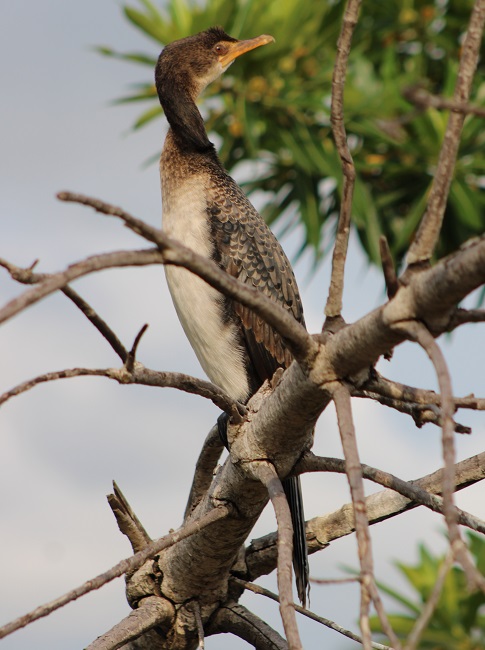
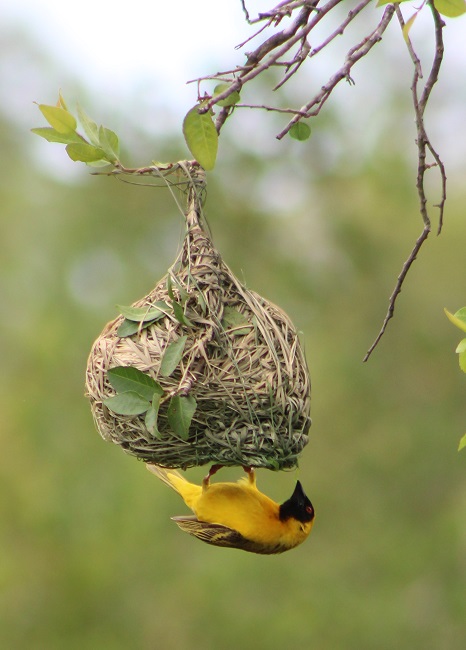
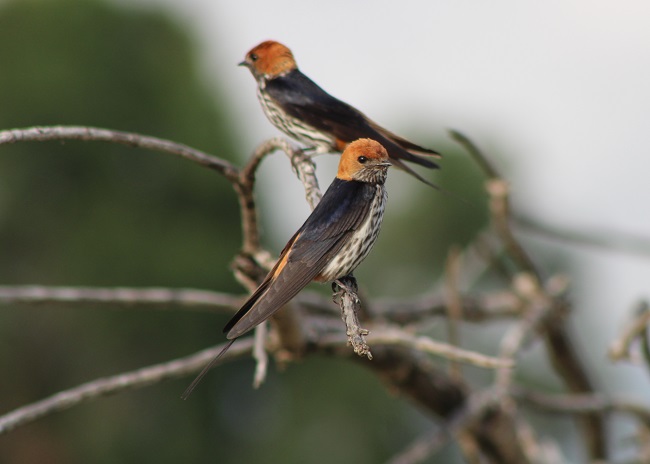
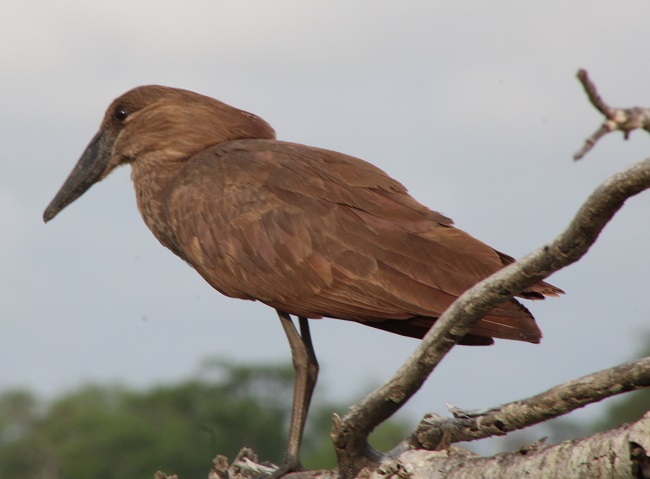
The high-level bridge over the Sabie River, just east of its confluence with the Sand River, provided an excellent spot for birdwatching, allowing us to observe a variety of avian species in their natural habitat. As we continued our drive, the road from Lower Sabie to Nkuhlu revealed some of southern Kruger’s most beautiful trees, creating a picturesque canopy that shaded our path. The diversity of tree species and the lushness of the foliage were truly breathtaking, making this stretch of road a highlight for nature lovers. The landscape between Nkuhlu and Lower Sabie gradually opened up into lightly wooded grassland, offering expansive views of the river and the surrounding bush. This change in scenery was accompanied by an increase in sightings of grassland birds, adding to the rich tapestry of wildlife we encountered on our safari.
The combination of diverse ecosystems and abundant wildlife along this route made it an unforgettable part of our Kruger National Park adventure. The finale of the trip was a thrilling close encounter with a leopard perched atop a small hill. The leopard was intently watching a few deer grazing nearby. To our astonishment, the leopard decided to move and walked around our 4×4 vehicle, coming within less than 2 meters of us. This breathtaking experience was the perfect end to our incredible safari adventure.
DAY 7
BLYDE RIVER canyon and POTHOLES
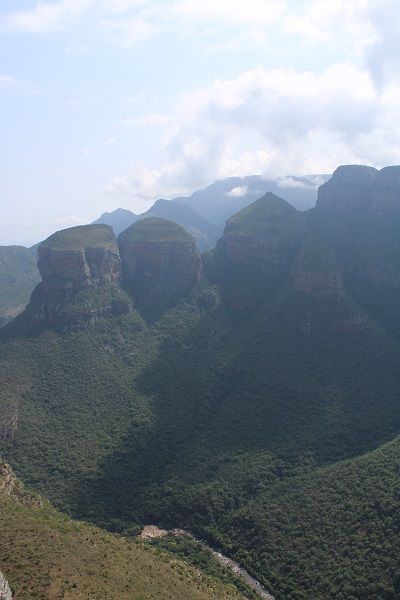
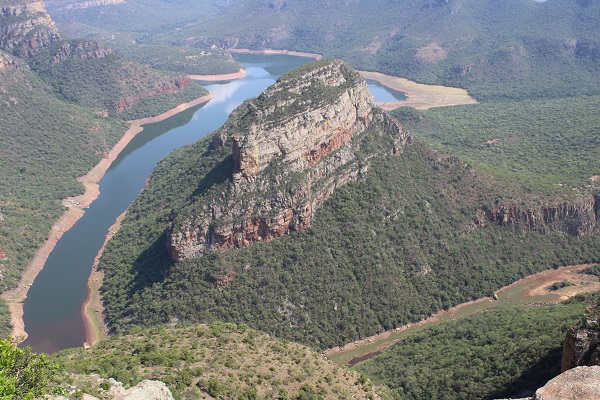
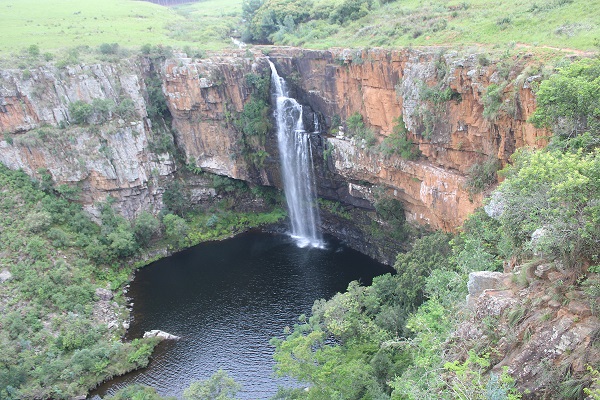
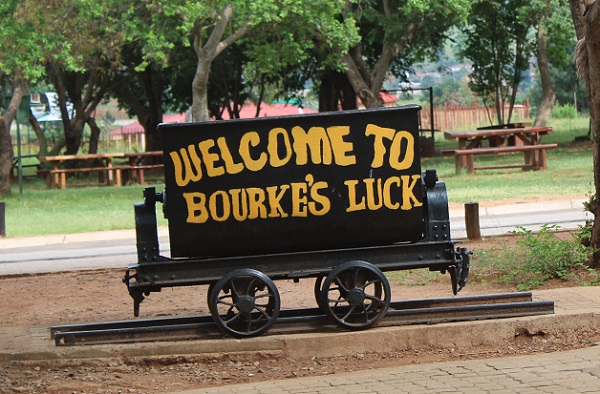
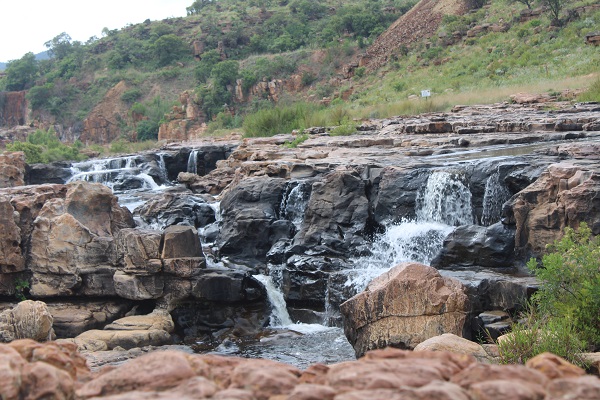
I meandered through the seemingly endless expanse of the Blyde River Canyon and Bourke’s Luck Potholes, embarking on a journey into one of South Africa’s most spectacular natural wonders. This awe-inspiring landscape offered a series of breathtaking vistas, each more stunning than the last. My adventure began at Bourke’s Luck Potholes, an intriguing geological marvel where the Blyde and Treur rivers converge. Here, centuries of swirling water had carved out a network of cylindrical rock formations, creating a mesmerizing natural sculpture.
As I continued into the Blyde River Canyon, I entered one of the largest canyons in the world. Stretching 25 kilometers in length and plunging to an average depth of 750 meters, the canyon was cloaked in lush subtropical vegetation, creating a verdant contrast to the rugged cliffs. The red sandstone that dominated the canyon’s geology added a rich, warm hue to the landscape, enhancing its dramatic appearance.
The canyon’s sheer size and depth made it one of the most impressive in the world, with some of the steepest and most precipitous cliffs on the planet. These cliffs provided panoramic views that were nothing short of breathtaking, offering sights of verdant valleys, winding rivers, and distant horizons that stretched as far as the eye could see. The diverse flora and fauna of the Blyde River Canyon added to its allure.
Whether a nature enthusiast, a geology buff, or simply someone seeking the beauty of the great outdoors, the Blyde River Canyon and Bourke’s Luck Potholes offered an unforgettable experience. Each twist and turn of the canyon revealed new wonders, ensuring that this remarkable stretch of South African landscape left a lasting impression on me.
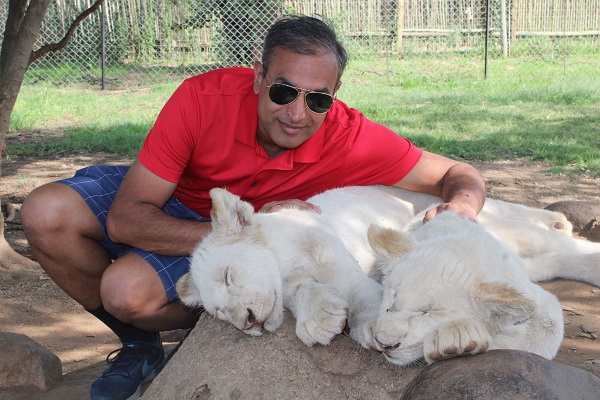
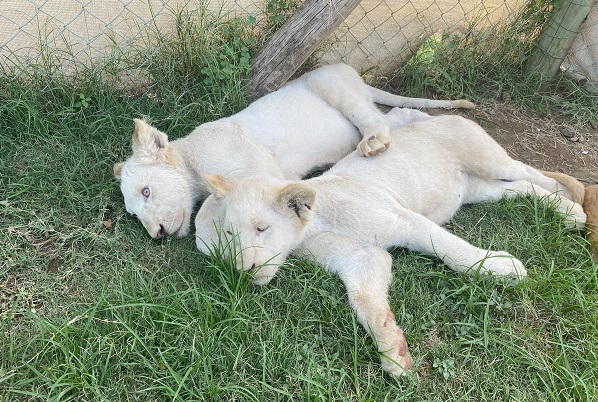
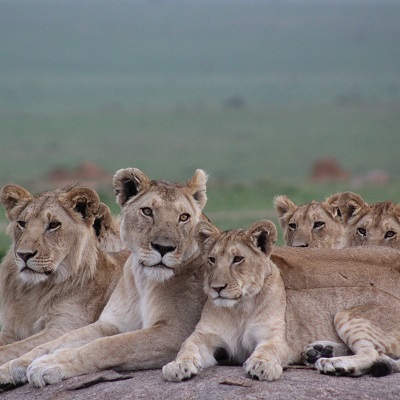
At Lion Park Johannesburg, we were able to pet lion cubs and take photos, making it an incredible and memorable experience.


Useful Notes:
- Summer (Jan-April) These are normally drier months with very hot days. Bird watchers can enjoy the array of migratory birds during this period.
- Autumn (April-June) is also great time to visit. Best for Photography, fewer people traveling and chances of seeing Northern lights.
- Winter (July-October) is a difficult time to travel with unpredictable winter conditions. Northern lights, and frozen waterfalls are the most famous attractions.
- Spring (November-December) is the least interesting time to visit as most of the landscapes are colorless and gray.