










TAJMAHAL
It was an electrifying milestone for us—marking our very first step onto the global stage to witness a Wonder of the World and officially launching a lifelong journey to cross the world’s most legendary monuments off our bucket list.
My fascination with the Taj Mahal began in my childhood, sparked by history lessons about this monumental UNESCO World Heritage Site and global Wonder. Back in 1995, that enduring dream finally came alive when my wife and I journeyed together to Agra. Decades later, the passage of time hasn’t faded the memory; I can still perfectly recall the incredible rush of awe and excitement we felt standing face-to-face with such a legendary masterpiece.
- Phone:+1 (859) 254-6589
- Email:info@example.com
1
1
1

1

1st wonder of the world
TajMahal (India)
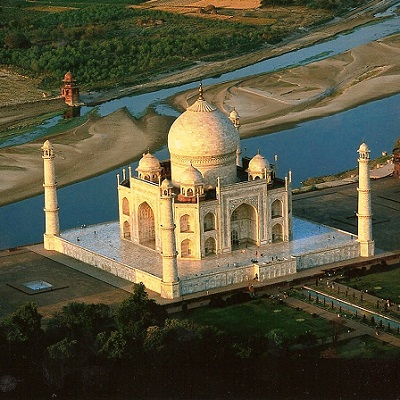
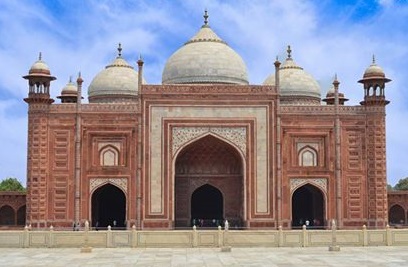
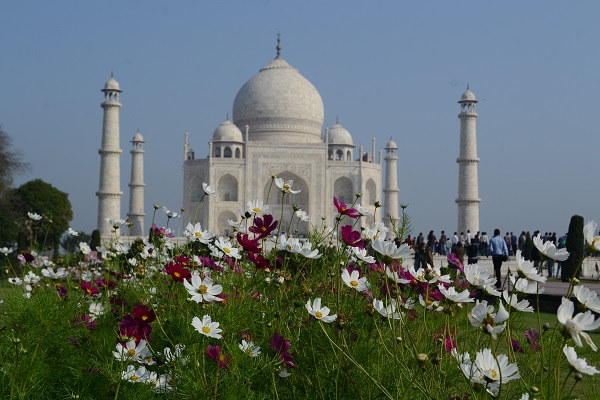
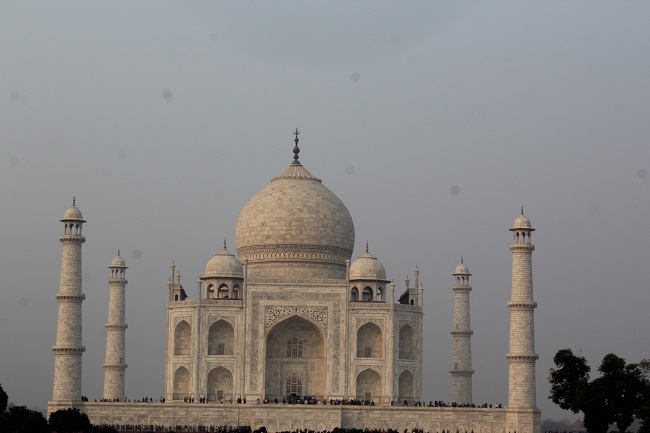
The Taj Mahal is an ivory-white marble mausoleum on the south bank of the Yamuna river in Agra, India. Commissioned in 1632 by the Mughal emperor Shah Jahan, it was built to house the tomb of his favorite wife, Mumtaz Mahal. It is not just a building, but a massive complex that includes a mosque, a guest house, and formal gardens, all enclosed within a crenelated wall. We’ve been fortunate to experience the Taj Mahal twice — first during our honeymoon, and then again 25 years later, returning with both of our boys. What began as a journey of new beginnings came full circle as a celebration of family, love, and the memories we’ve built together over the years. In 2025 we were impressed by the clean, well-maintained roads and the use of eco-friendly electric autos leading to the Taj Mahal, which made the approach feel both pleasant and environmentally conscious. The Taj Mahal saw major improvements between 1994 and 2019, especially in environmental protection and preservation. Pollution control measures under the Taj Trapezium Zone significantly improved air quality and protected the marble. Visitor management became more organized with better security, ticketing, and crowd control. Infrastructure upgrades and cleaner surroundings enhanced the overall experience. Despite these changes, the monument’s timeless beauty remained unchanged.
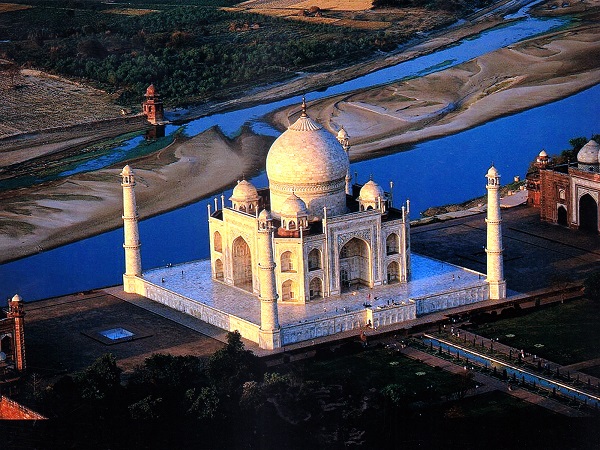
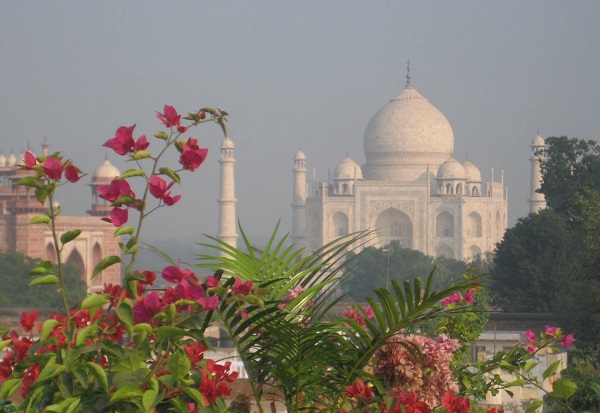
This “Dream in Marble” stands on the southern bank of the Yamuna River in Agra, India, and remains a pinnacle of architectural achievement. The Taj Mahal is far more than a monument; it is a profound experience that captures your breath the moment it comes into view. To stand before it is to step into a living canvas—one that feels both mystical and serene. Its ivory marble is a chameleon of light, shifting from a soft morning gold to a regal midday brilliance, before softening into a romantic glow under the stars. It is as if the structure itself breathes in harmony with the shifting sky.
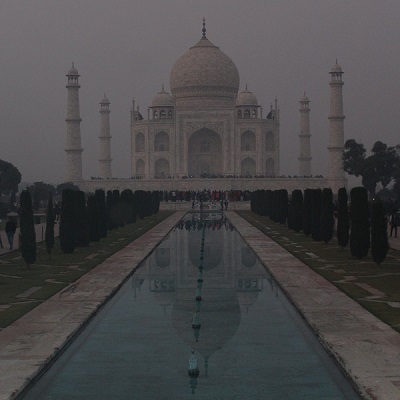
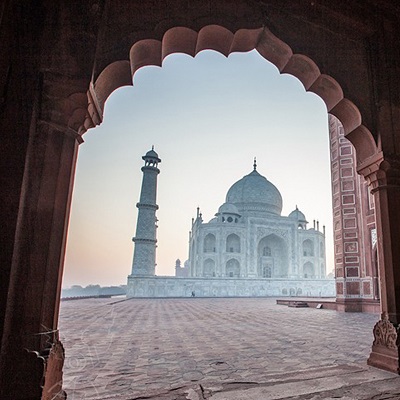
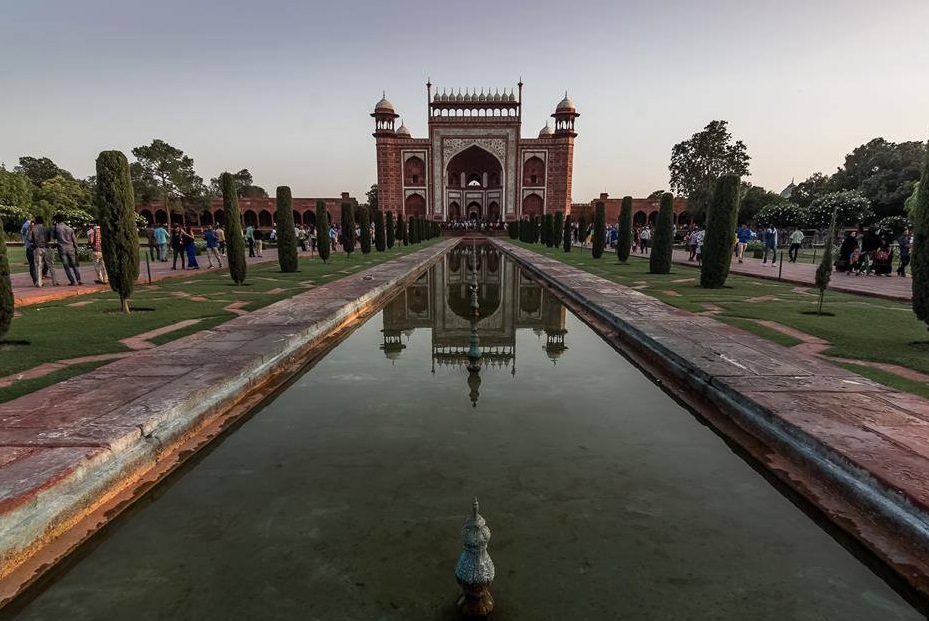
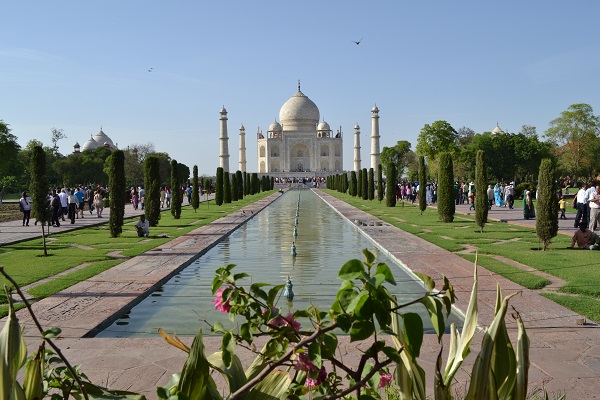
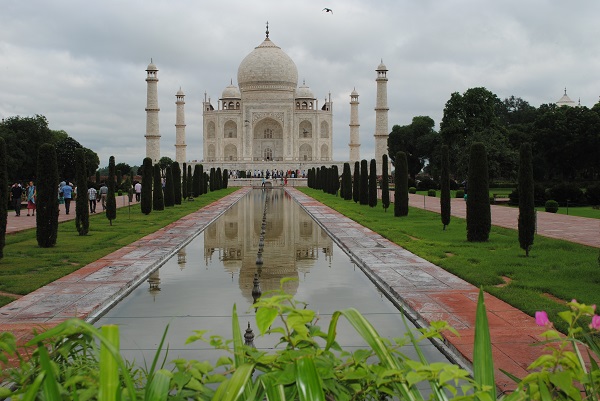
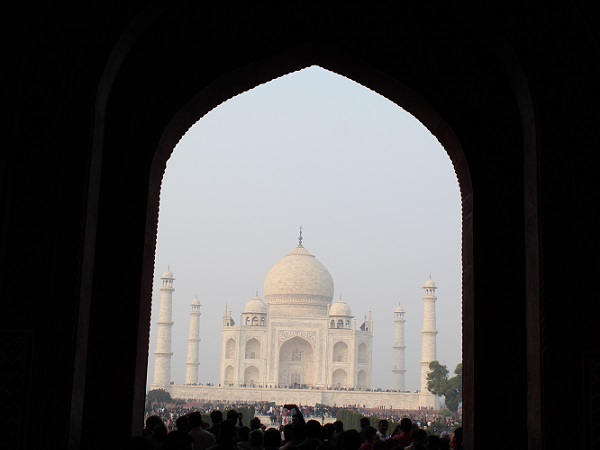
The Jilaukhana, the grand forecourt of the Taj Mahal, serves as the ceremonial eastern entrance and a vital architectural prelude to the main monument. Built from striking red sandstone, this expansive courtyard was designed to act as a transitionary space, separating the mundane world outside from the spiritual and aesthetic sanctity of the inner complex. Its symmetrical arcades and wide-open spaces create a sense of order and calm, effectively preparing the mind for the grandeur to follow. The architectural centerpiece of this transition is the Darwaza-i-Rauza, or the Great Gate. As you approach this humongous structure, its towering height and intricate marble inlays serve as a dramatic frame for what lies beyond. The gate is intentionally massive; it is designed to dwarf the visitor, heightening the sense of anticipation and reverence before the final reveal. Passing through the cool shadows of the Darwaza-i-Rauza provides a truly cinematic moment. As the darkness of the archway gives way to light, you catch your first glimpse of the Taj Mahal, framed perfectly within the gateway’s silhouette. In that instant, the transition is complete — you are no longer merely a traveler, but a witness to a breathtaking vision of timeless beauty, one that feels as though it belongs to another world. The long reflection pools mirror the monument with stunning precision, doubling its presence and making the brilliance of Mughal craftsmanship appear even more magical.
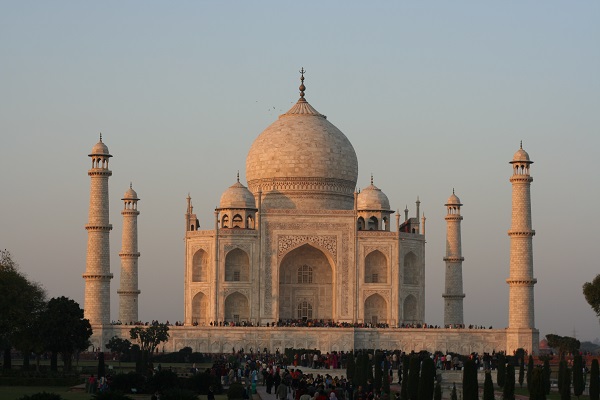
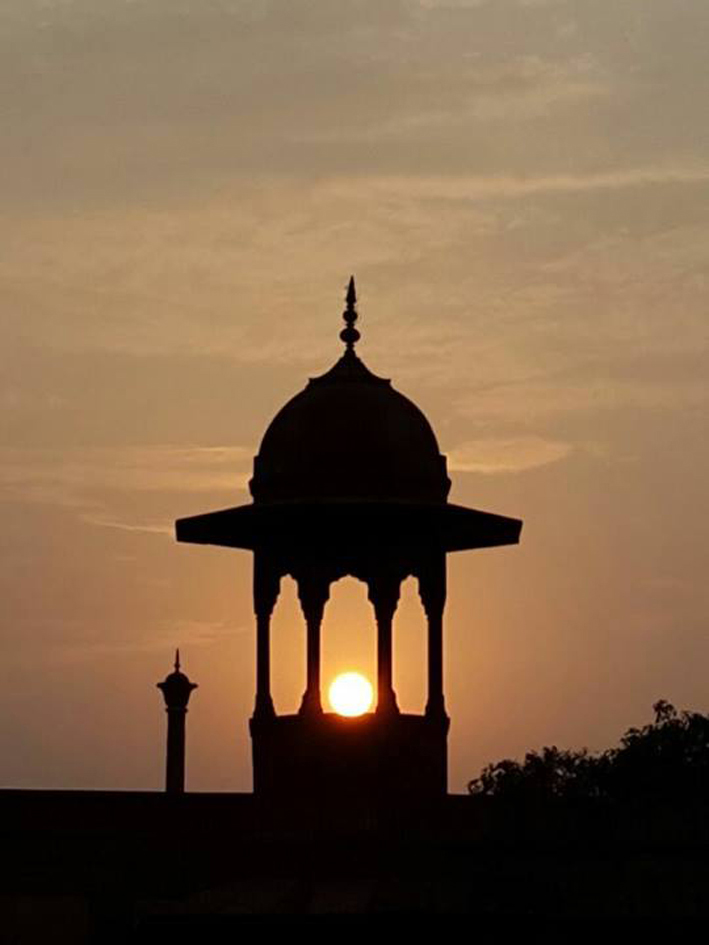
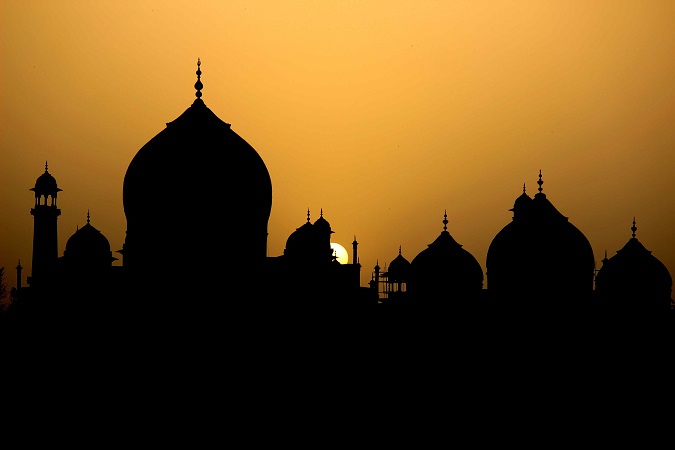
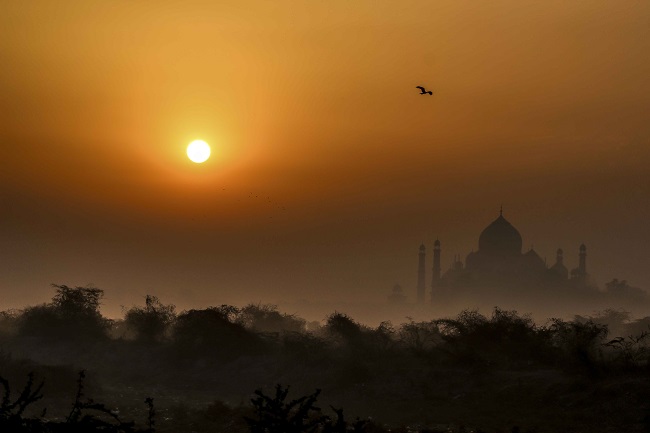
The charbagh opens into four grand quadrants, each further divided into sixteen sunken flowerbeds, creating a vast 300-meter square. Its design reflects flawless symmetry, balance, and order. Filled with blooming flowers, fruit-bearing trees, and birdsong, the garden serves both visual and symbolic purposes — a carefully crafted earthly vision of paradise expressed through harmony, geometry, and elegant design. As we walk closer to main building it was realization why its crown jewel of Mogual art in India and is one of the world’s masterpieces. The minarets on the four sides are not straight, but tilted outwards at a 2 degree angle. In the event of an earthquake, they wanted to be sure that the minarets would fall outwards, and not in, saving the Taj from damage. The main mausoleum of the Taj Mahal, rising about 70 meters high, is a breathtaking masterpiece of white marble. Experiencing it with family made the moment even more meaningful. Truly one of the Seven Wonders of the World, it leaves you speechless at first sight and lingers in your heart long after you leave. As we walked closer to the main structure of the Taj Mahal, it was striking to realize that many of its original embellishments — gold, diamonds, and other precious stones — are no longer present, having been removed during the era of the British Raj. Yet even in their absence, the monument remains extraordinary, hinting at a past that was once even more opulent. We were fortunate to view the Taj Mahal at sunset, when the marble seemed to glow in warm hues, making the entire monument even more spectacular and unforgettable.
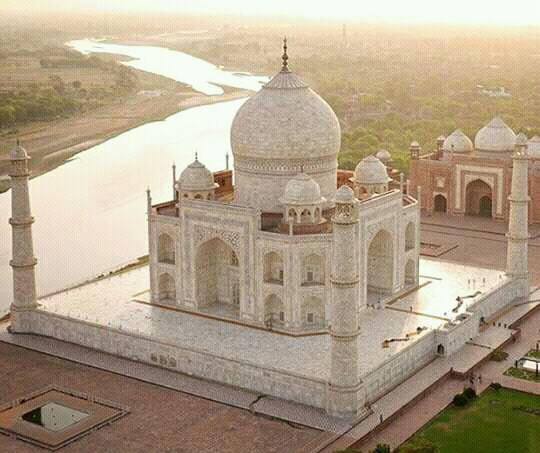
The artistry of the Taj Mahal is truly unparalleled—every intricate inlay and archway tells a silent story of devotion and timeless beauty. Its perfect symmetry creates an illusion of weightlessness, as if the entire structure is gently floating. Surrounded by manicured gardens, mirror-like reflecting pools, and the serene flow of the Yamuna River, the setting feels almost transcendent. It is a masterpiece that moves the soul as much as it captivates the eye, standing as a timeless testament to human creativity and enduring love.
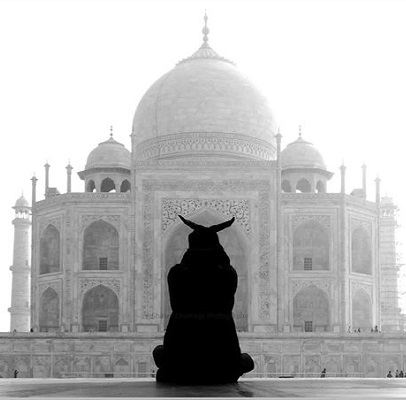
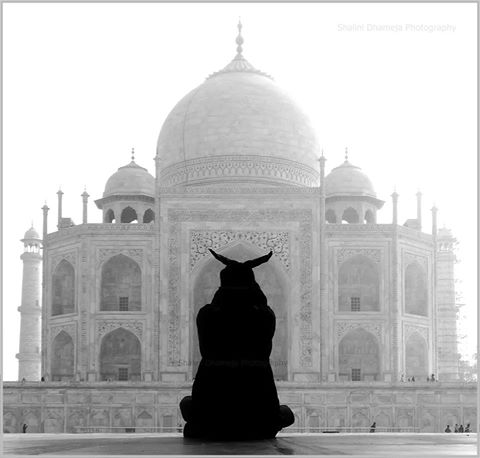
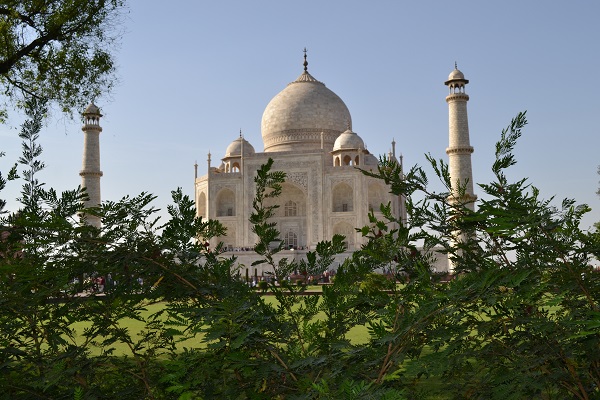
The structure is celebrated as the pinnacle of Mughal architecture, which artfully blends Indian, Persian, and Islamic styles. Its most famous feature is the massive white marble dome, but the true beauty lies in the details. The walls are adorned with Pietra Dura, an intricate inlay technique using semi-precious stones like lapis lazuli, turquoise, and jade to create delicate floral patterns. The entire complex is governed by perfect symmetry, with the exception of Shah Jahan’s own cenotaph, which sits beside his wife’s
Beyond its physical beauty, the Taj Mahal is a “living” monument that changes its mood with the light. It appears soft pink at dawn, brilliant white at noon, and takes on a ghostly silver or golden hue under the moonlight. Today, it stands as a UNESCO World Heritage Site and is universally admired as one of the New Seven Wonders of the World, representing an eternal testament to love and artistic devotion.





TAJMAHAL - One of the 7 wonders of world.
- It took approximately 20 years (1632 to 1652) and the labor of 22,000 artisans to complete this architectural feat and to bring this vision to life.
- Materials were sourced from across Asia, transported by a fleet of over 1,000 elephants..
- The cost was around 32 million rupees.
- The Taj Mahal is adorned with 28 varieties of precious and semi-precious stones sourced from across Asia — including blue stones from Tibet, emeralds from Sri Lanka, jasper from Punjab, and crystals from China — all coming together to create a dazzling masterpiece that sparkles brilliantly under the sun.
- All four minarets of the Taj Mahal are designed with a subtle outward tilt. This ingenious feature ensures that in the event of an earthquake, the towers would fall away from the main structure, helping protect the central tomb.
- Indian conman Natwarlal allegedly “sold” the Taj Mahal several times.
- Shah Jahan is said to have envisioned a Black Taj Mahal across the Yamuna River, though it remains a legend without solid evidence.
- The graves of Mumtaz and Shah Jahan lie in a lower chamber.
The Foundation: Built on the bank of the Yamuna River, engineers dug deep wells filled with stone, timber, and lime mortar to create stable support columns on the soft river flood plain.
Timber Support: The wells were connected by massive brick arches and supported by moisture-resistant timber that remains strong in an oxygen-deprived, water-saturated underground environment.
The Materials: Pure white marble was brought from the quarries of Makrana in Rajasthan, roughly 300 kilometers away.
Transport: Over 1,000 elephants, along with oxen and camels, hauled the heavy marble blocks and red sandstone to the construction site.
Outward-Leaning Minarets: The four corner minarets were deliberately built with a slight outward tilt so that if an earthquake struck, they would crash away from the central mausoleum rather than onto it.
Useful Notes:
- Taj Mahal (India)
- Colosseum (Italy)
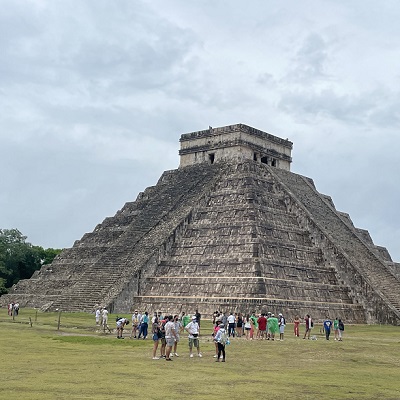
- Chichen Itza (Mexico)
- Machu Picchu (Peru)
- Christ the Redeemer (Brazil)
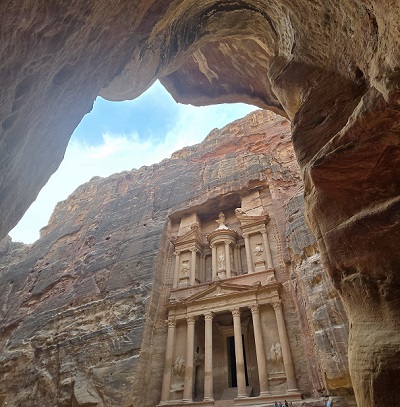
- Petra (Jordan)
- Great Wall of China (China)