EGYPT | 7 DAY JOURNEY
Tour Summary
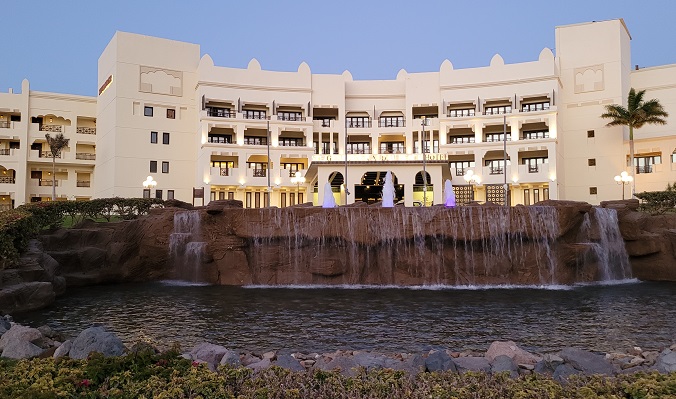
Egypt, a destination steeped in mystery and ancient allure, had long been at the top of my bucket list, with dreams of exploring the pyramids, white sand deserts, and museums. Our journey through Egypt was nothing short of mesmerizing, offering a captivating blend of history, adventure, and natural beauty. We began in Hurghada, where unexpected chilly weather led us to fully indulge in the luxurious amenities of the Steigenberger ALDAU Beach Resort.
The trip truly came alive in Luxor, where we were awed by the grandeur of iconic ancient monuments like the Karnak Temple and the Valley of the Kings. Snorkeling in the vibrant waters of the Red Sea added a touch of underwater wonder to our adventure. One of the highlights, discovered by my wife, was the surreal experience of exploring the White and Black Deserts—a journey that felt like stepping onto another planet.
Our travels culminated in Cairo, where we stood in awe of the Great Pyramid of Giza, the enigmatic Sphinx, and the treasures of the Egyptian Museum. A thrilling camel ride and an ATV adventure near the pyramids added an exhilarating touch to our cultural immersion. The trip was a perfect blend of relaxation, exploration, and a deep dive into the rich history and landscapes of Egypt, making it an experience we will cherish forever.
- Phone:+1 (859) 254-6589
- Email:info@example.com
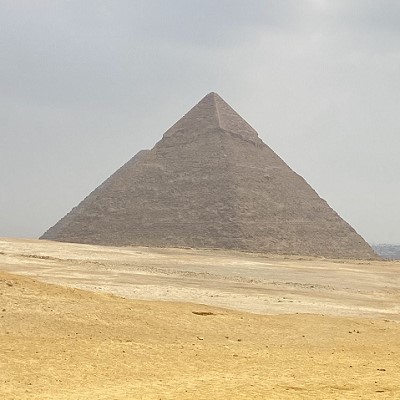
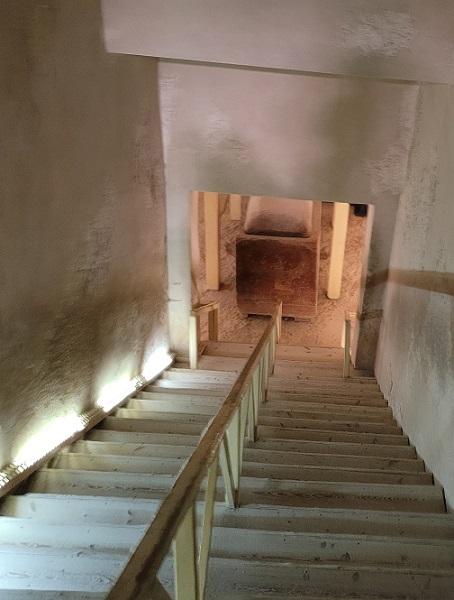
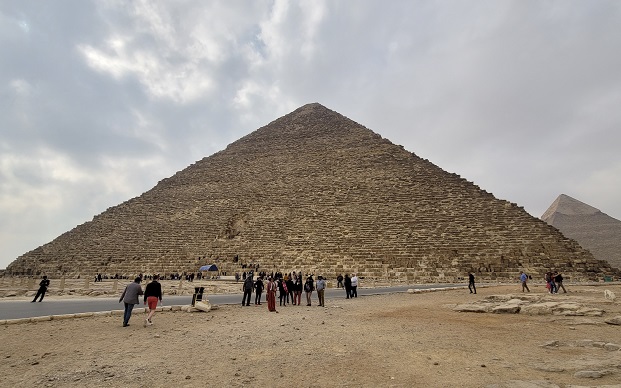
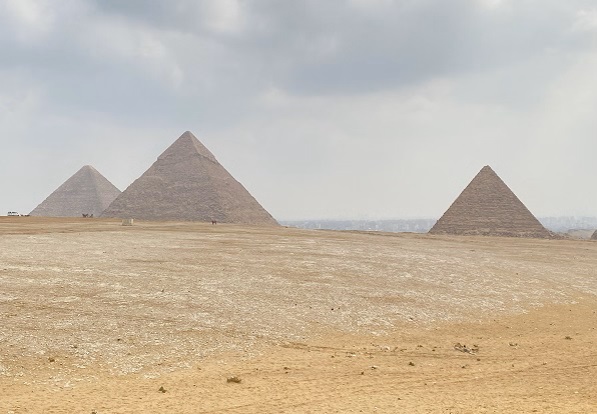
The Great Pyramid at Giza is largest pyramid, and it stands 481 feet tall. It was shocking how architecturally they built the pyramids and temperature in the tomb was always around 70 degree all year around.
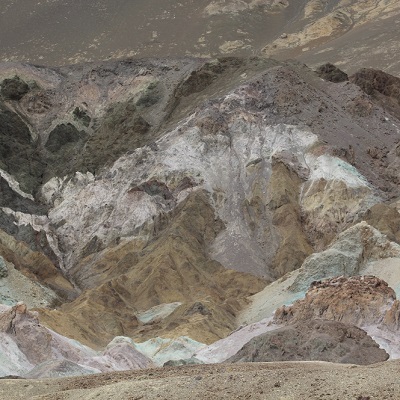
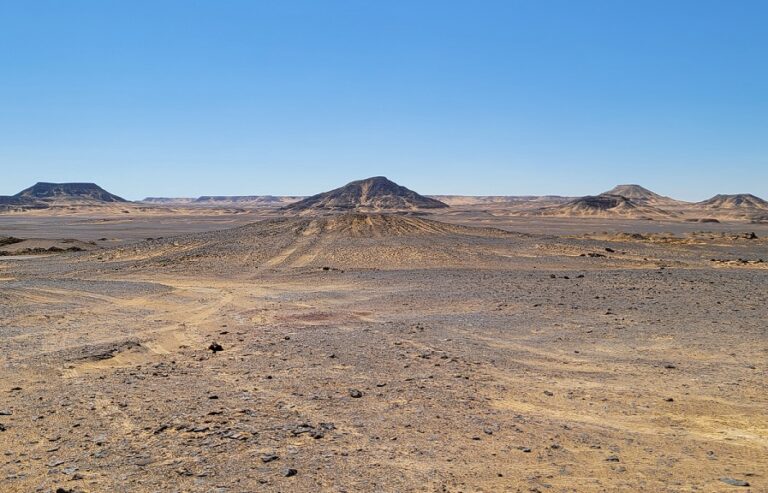
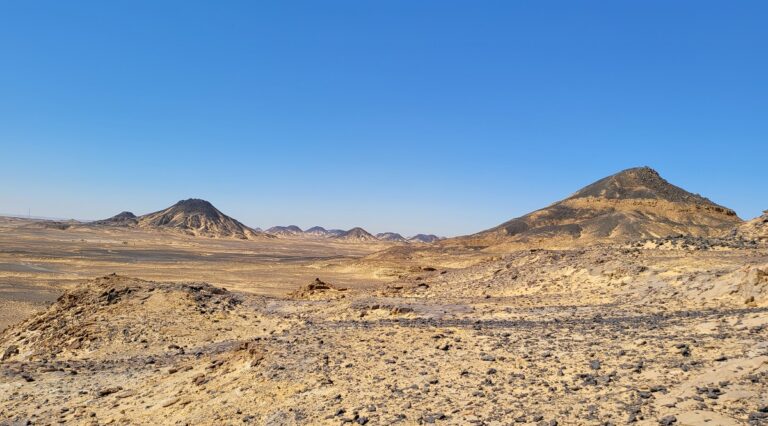
Black Desert is like stepping on Mars, a landscape full of black powder covered hills.
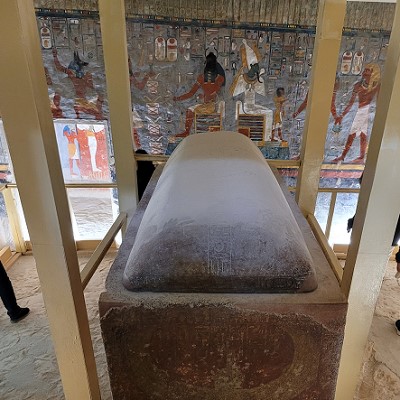
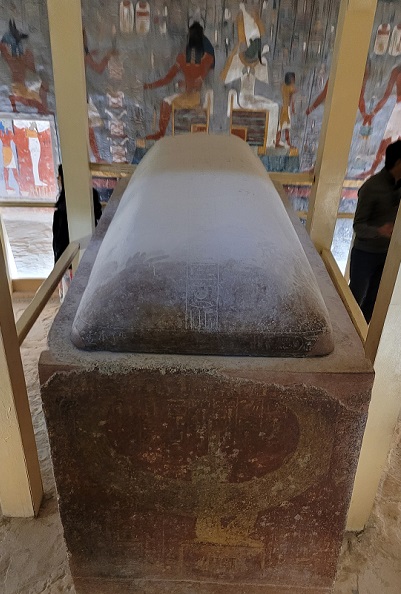
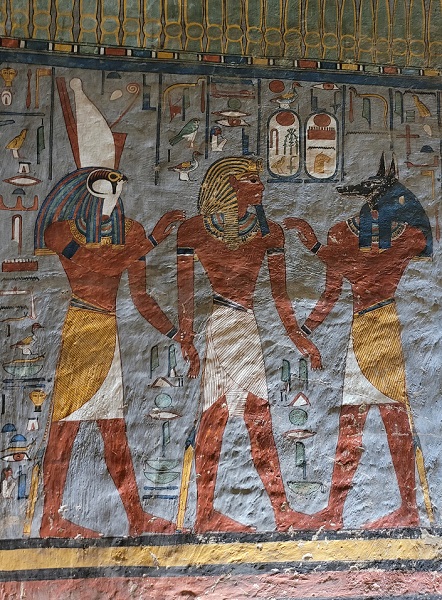
Walking into the burial chambers, decorated corridors and rooms is a unique experience. It was admirable construction and colorful artwork was unbelievably impressive.
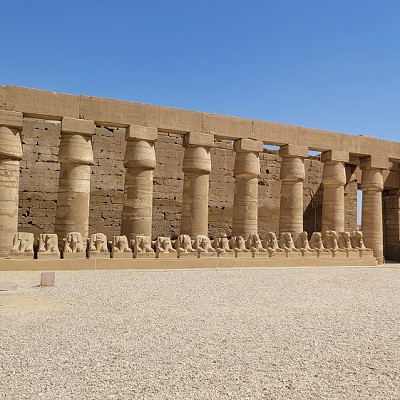
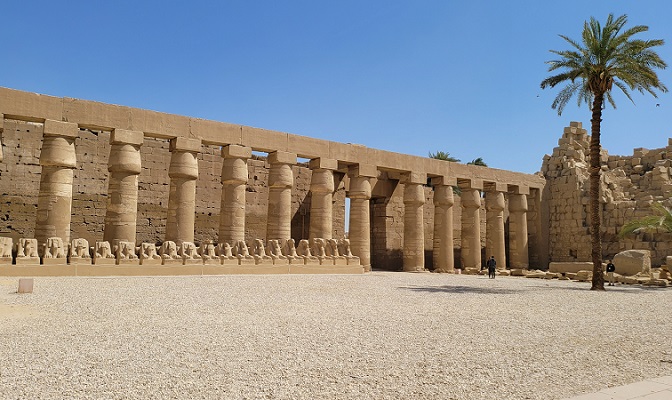
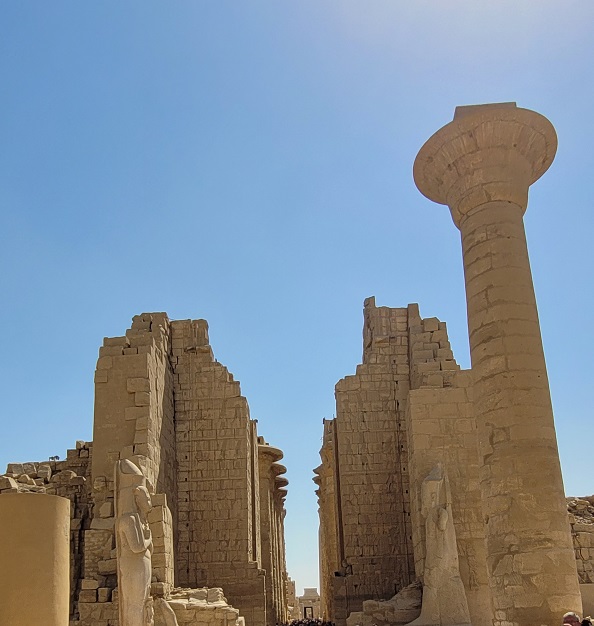
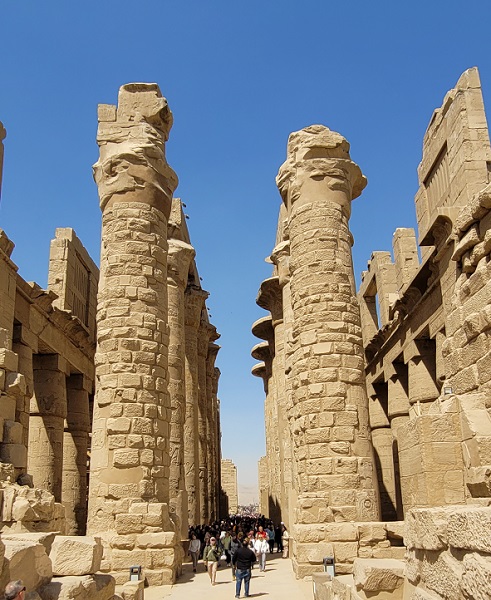
The Karnak Temple is biggest temple with Holly Lake. It is incredible to see the architecture built 4000 years ago
DAY 1
Hurghada
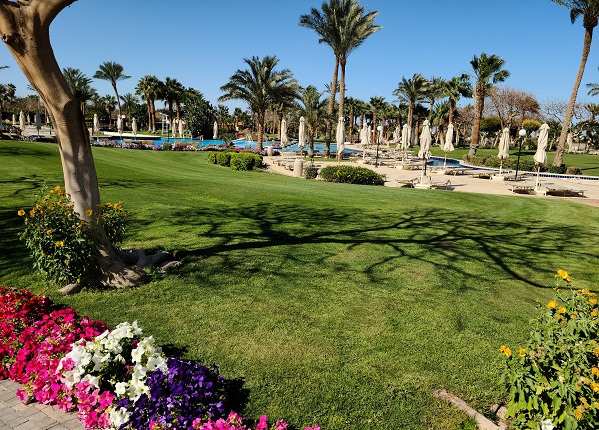
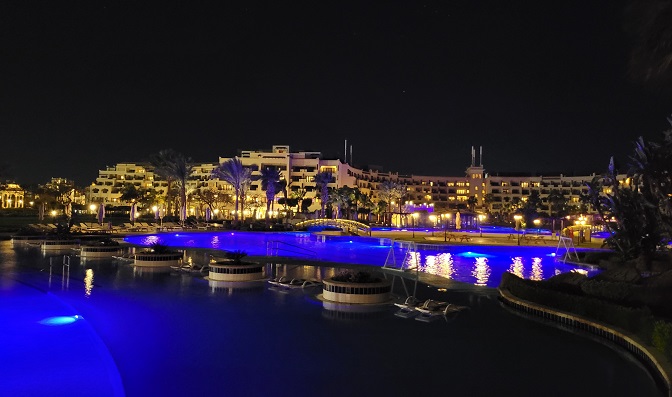
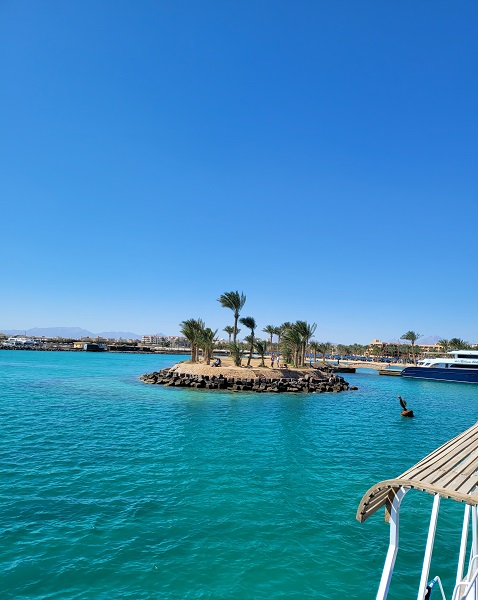
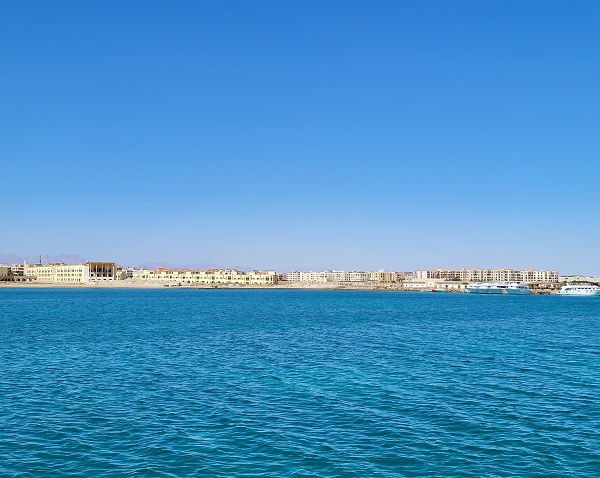
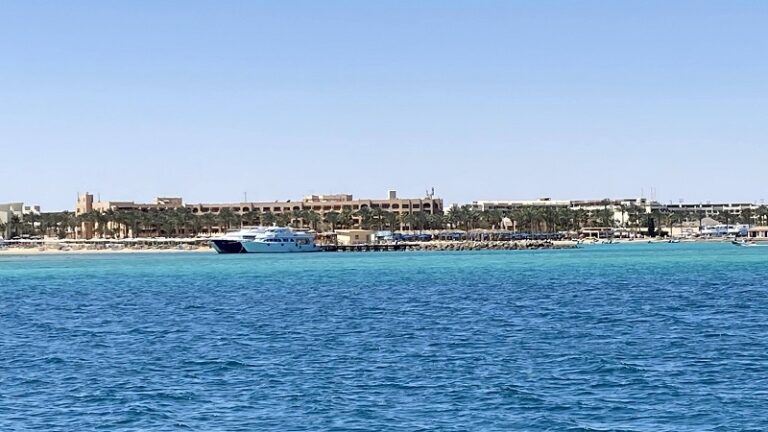
As we arrived in the town of Hurghada, known as the ‘Venice of Egypt,’ the day was sunny but chilly with strong winds. The unexpectedly cold weather forced us to scrap our plans for enjoying the stunning beaches, crystal-clear waters, and vibrant coral reefs. Instead, we made the most of our stay at the Steigenberger ALDAU Beach Resort, which offers a wealth of amenities for both relaxation and adventure.
We indulged in delicious food, had a rejuvenating experience at the spa, and took peaceful walks along the beach. Despite the weather, the resort provided plenty of opportunities to unwind and enjoy the surroundings. From the lush gardens to the luxurious amenities, the resort offered a perfect retreat, and we found ourselves appreciating the calm and tranquility it provided.
The next day, the weather took a turn for the worse, so we decided to change our plans and visit Luxor on Day 2 instead.


DAY 2
LUXOR
Luxor, frequently called the “world’s greatest open-air museum,” is home to some of the most iconic and well-preserved monuments of ancient Egypt. With its deep historical significance, lively culture, and stunning architecture, Luxor offers an unforgettable experience and remains one of Egypt’s most cherished destinations.
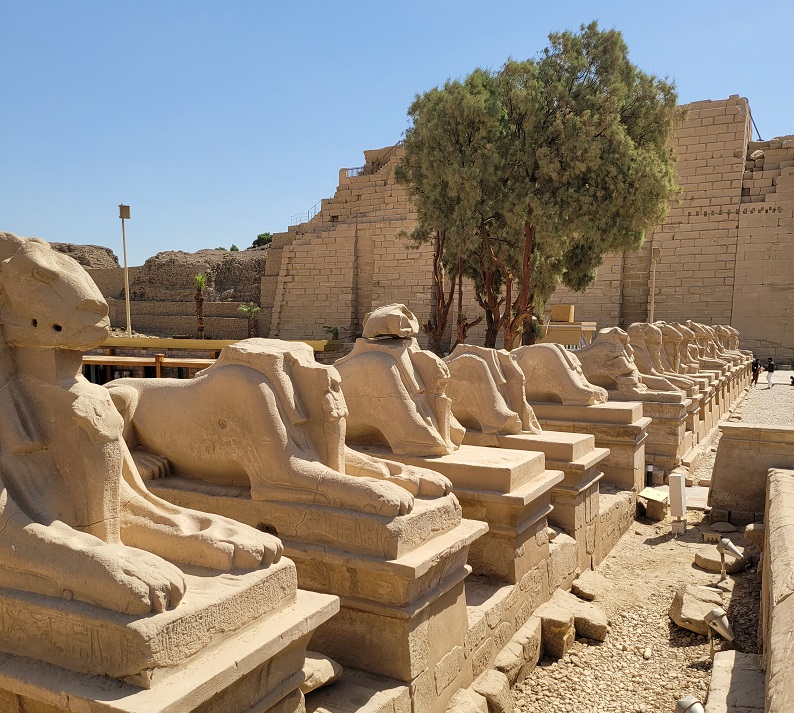
Kanak Temple: The Karnak Temple, the world’s largest religious structure, was built over a long period and named after the nearby village. This awe-inspiring temple features monumental entrance gates, pillars, obelisks, and statues. It is nearly three times the size of Vatican City.
Valley of the Kings: I never understood why people would travel to the Valley of the Kings, a place where mummies were buried. However, after visiting, I finally got it. The sheer scale and complexity of the tombs left me in awe. It took a while for my mind to grasp how the ancient Egyptians managed to construct these intricate and grand structures over 5,000 years ago. The craftsmanship, the art, and the historical significance all combined to make it an unforgettable experience, shedding light on the ingenuity and skill of an ancient civilization. The Valley of the Kings is the most famous and magnificent of all the royal tombs in Luxor. Located on the west bank of the Nile, it originally contained over sixty tombs, mostly for kings and queens from different dynasties. We visited three major tombs:
Tutankhamun’s Tomb: This is the best-preserved tomb in the Valley of the Kings, thanks to its quick closure by Egyptian archaeologists after its discovery in 1922. The tomb remains in excellent condition, with its alabaster canopic shrine, coffins, and mask intact.
Tomb of Seti I: Dating back to 1290 BC, this is the largest and most beautiful tomb in the valley. It was discovered by British archaeologist James Evesham on February 4, 1817.
Tomb of Ramses VI: Though unfinished, this tomb features scenes from Ramses VI’s reign and graffiti from English, French, and Italian visitors. It dates back to the 19th dynasty.
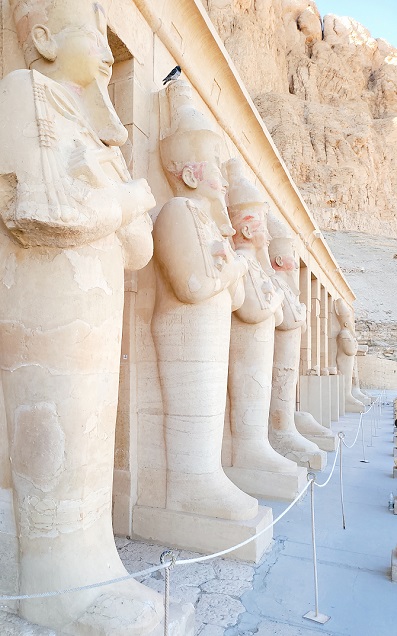
Temple of Hatshepsut: The Temple of Hatshepsut, located on the west bank of the Nile opposite Luxor, is a mortuary temple dedicated to Queen Hatshepsut, a pharaoh of ancient Egypt who reigned from around 1473 to 1458 BC.

DAY 3
RED SEA
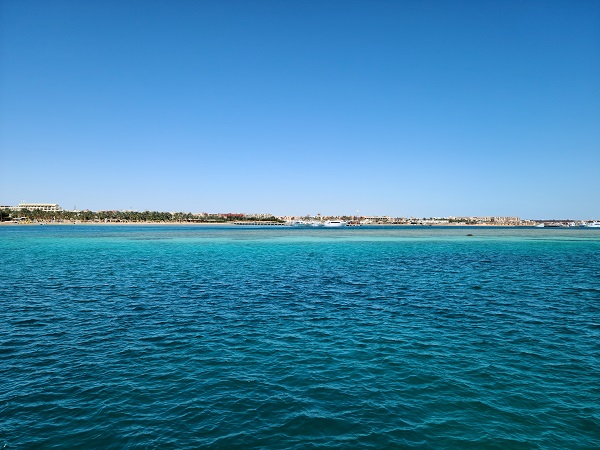
After two days of cold weather, the wait was finally over as we stepped into the Red Sea. The water was celebrated for its remarkable clarity and vibrant colors. Although visibility reached 10-15 meters, the water was still chilly. However, the rich blues and greens of the sea contrasted beautifully with the vivid hues of the coral and fish.
We were thrilled to embark on a half-day snorkeling adventure at Abu Dabbab National Park and Elphinstone Reef. We had a fantastic time exploring the vibrant reefs, encountering diverse fish species, and enjoying the stunning underwater scenery. Swimming alongside sea turtles and colorful fish was a highlight, and the experience was further enhanced by the stunning natural beauty surrounding us. The rich marine biodiversity and breathtaking views made the adventure truly unforgettable.
We took a late afternoon flight to Cairo. After checking into the hotel, we had dinner and called it a day early, as we were gearing up for our trip to the White Sand Desert the next day.


DAY 4
White sand desert
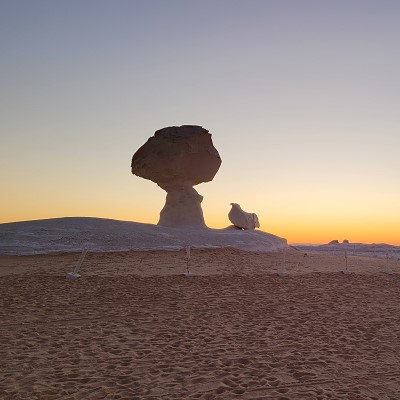
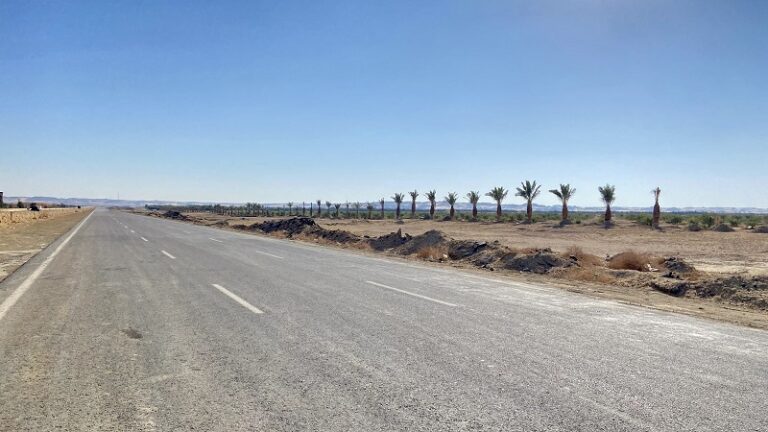
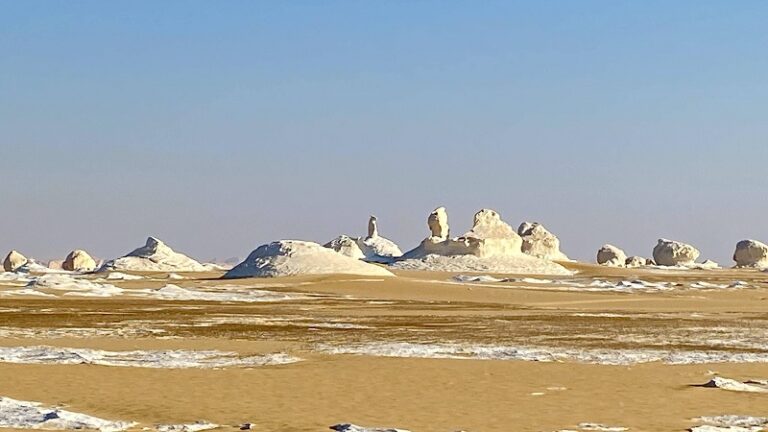
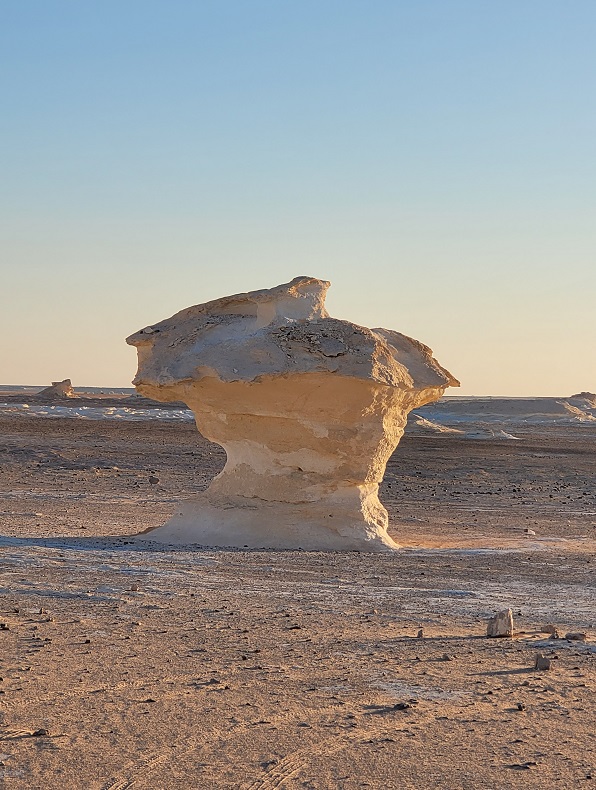
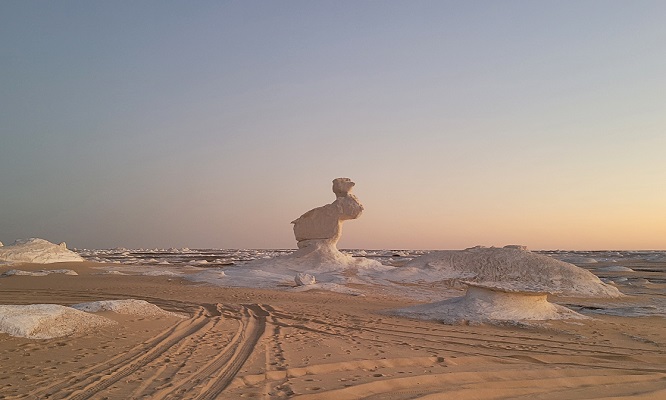
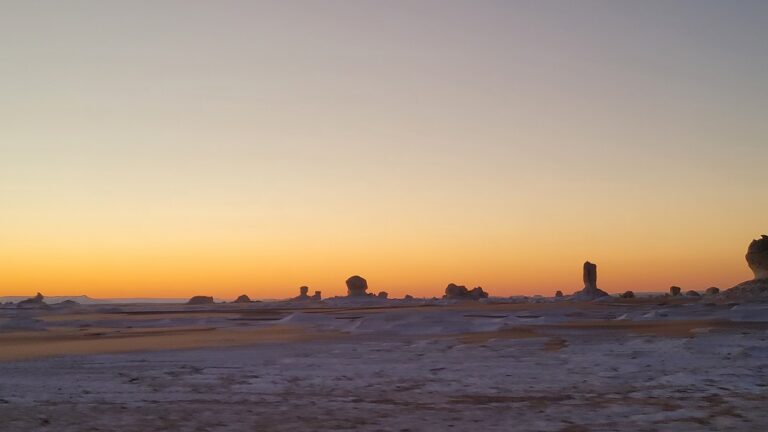
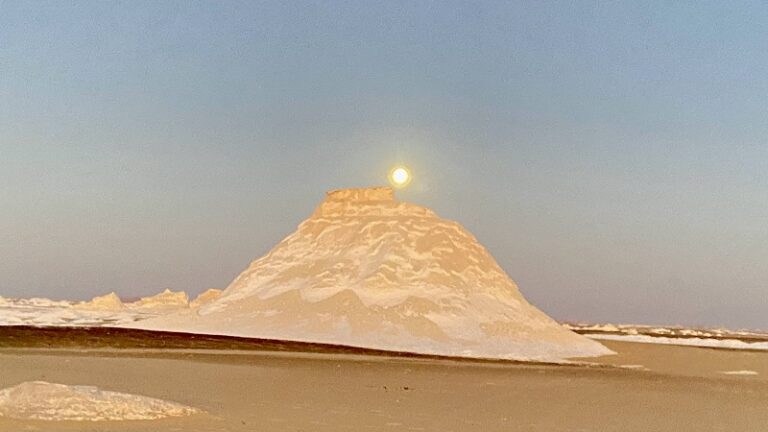
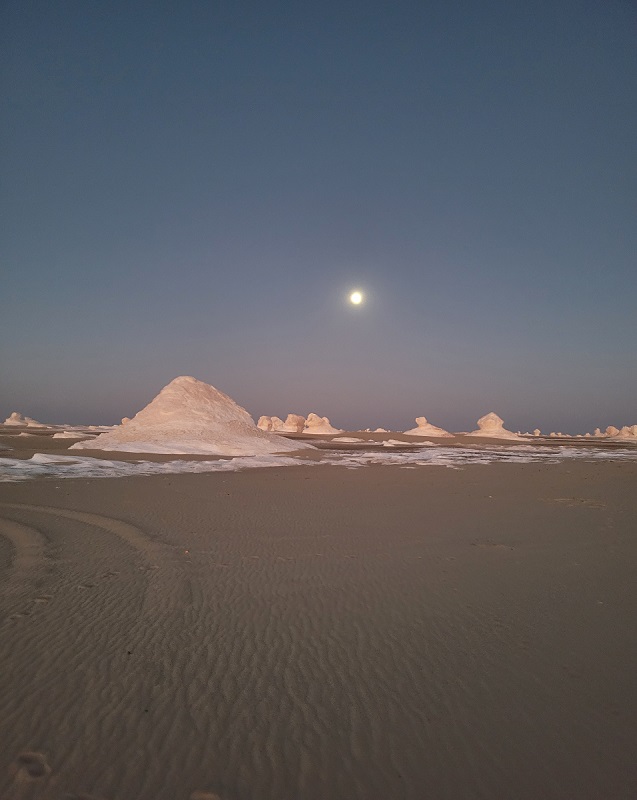
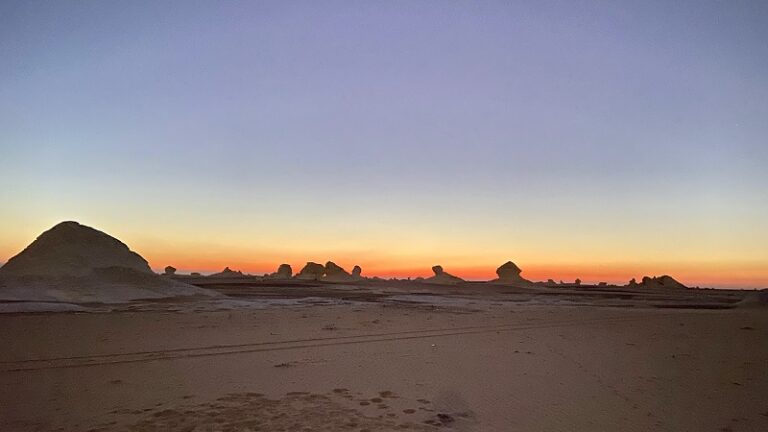
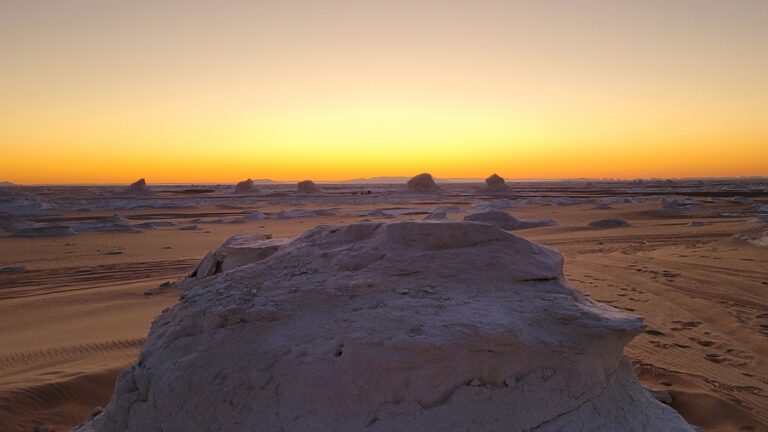
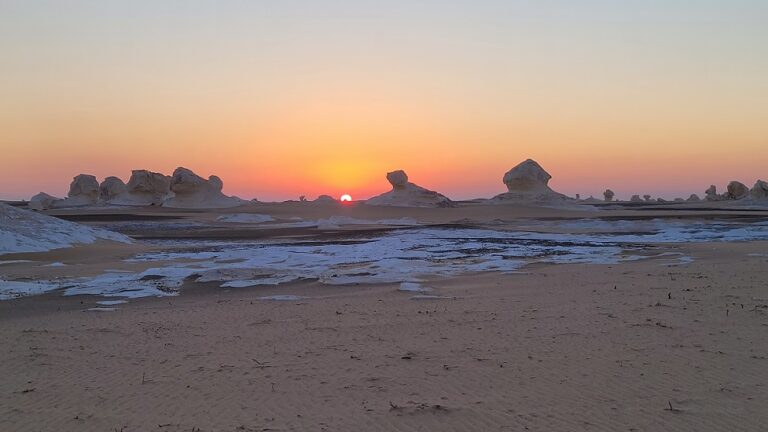
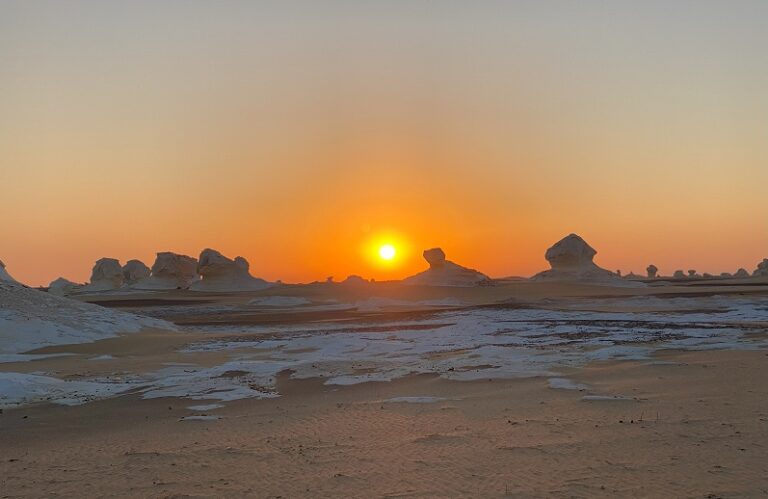
Often overlooked, one of Egypt’s most spectacular landscapes is White Desert National Park. The five-hour drive from Cairo takes you through a vast, uninhabited sand desert that feels like you’re visiting Mars. Upon arriving in Bahiya, we enjoyed a traditional Egyptian lunch before heading into the desert in a 4×4. Once we reached the White Desert, the tires of our vehicle were deflated to navigate the sand dunes. The view from the top of a sand mountain was breathtaking. Cruising through Mushroom Valley, we marveled at the stunning natural rock formations shaped like chickens, mushrooms, rabbits, and camels. The desert’s beauty was further enhanced by the sunset and the rising full moon, making it a truly unforgettable experience.
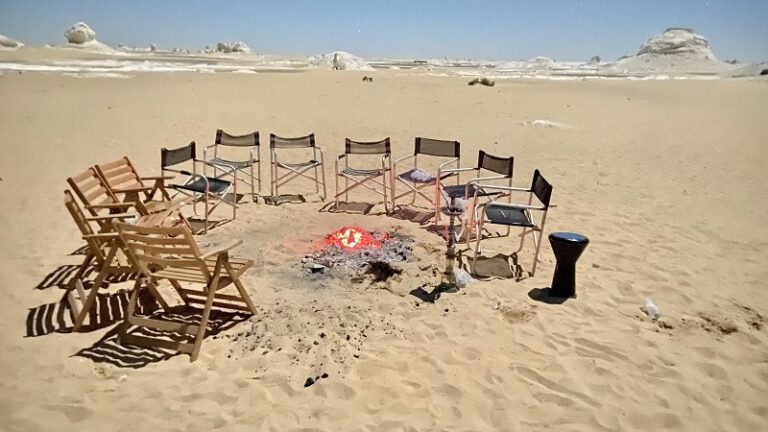
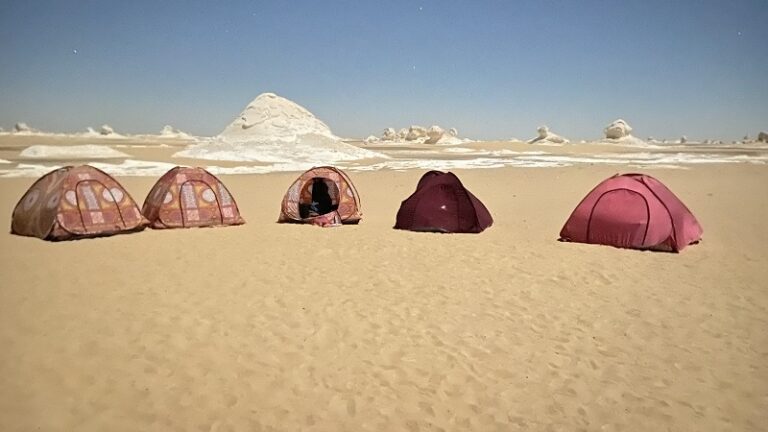
After arriving at the campsite, we set up and were treated to an authentic traditional dinner prepared by local Bedouins over an open fire. They also lit a campfire, enhancing the atmosphere. We enjoyed a delicious meal while a crew member played the tabla and sang local songs. We watched the sunset and savored a simple meal cooked over the campfire in the evening. We spent a few hours stargazing on a cold, full-moon night. The experience felt like we were on another planet.
Despite the freezing temperatures, we danced and reveled in the night. The full moon, paired with the clear air and desert silence, created an unforgettable atmosphere. The stunning views and the solitude of a night under the stars were truly incredible. I can only imagine how breathtaking the stars would be without the moon’s bright presence. This is a night we will likely never forget, with bizarre rock formations eerily illuminated by the moonlight.
DAY 5
black sand desert
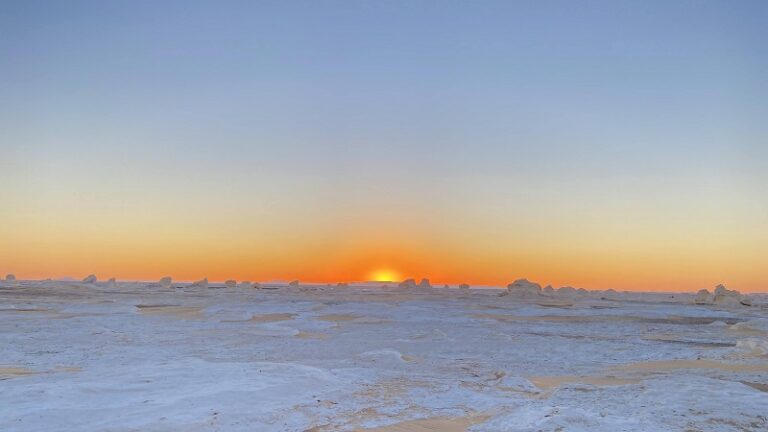
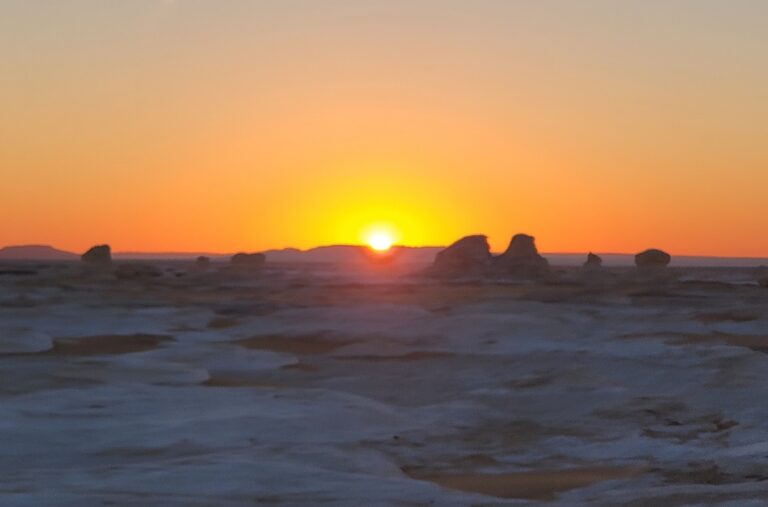
The cold night was unbearable, especially during the pre-dawn hours when the chill was at its worst. But as the first light of dawn broke, the entire landscape transformed. The sunrise was breathtaking, casting a golden glow over the desert, revealing a stunningly picturesque location. The contrast between the freezing night and the warmth of the morning sun made the experience even more memorable. It felt like a reward for enduring the cold, and the beauty of the scene was something I’ll never forget. The stillness of the desert in that moment was profound, a peaceful silence that seemed to stretch endlessly into the horizon.
The Black Desert, shaped by over 180 million years of volcanic activity, offers a striking and unique landscape characterized by black basalt outcrops. These volcanic remnants, some broken down into a scattered layer of rocks, create a stark and dramatic scenery. Although it may not have the same visual appeal as the White Desert, the Black Desert has its own distinctive charm and allure.
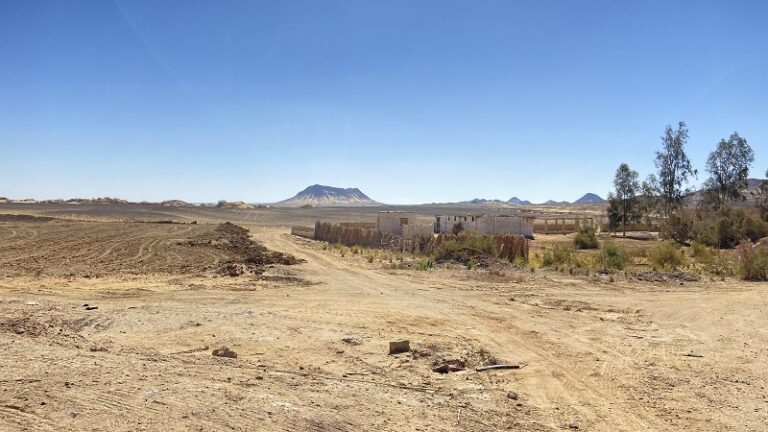
We ventured into the desert, hiking through a gully nestled between two ridges near Tal Al-Marsous Mountain, a popular area for explorers. The terrain is dotted with volcanic cones and pyramid-shaped mountains, which are easily visible from the main road. This landscape, marked by numerous extinct volcanoes, showcases the enduring presence of lava stones that remain visible and touchable. The black stones, still covering much of the area, contribute to the desert’s otherworldly appearance.
Together, the white and black sand deserts create an extraordinary and otherworldly experience. The stark contrast between the pristine white sands of the White Desert and the dark, dramatic basalt landscapes of the Black Desert enhances the sense of being on another planet. The unique topographies and colors of these deserts combine to offer a breathtaking and surreal adventure, immersing you in landscapes that feel both alien and majestic. The striking differences between the two deserts highlight the diverse natural beauty of the region, making for an unforgettable journey through these captivating and unearthly terrains.
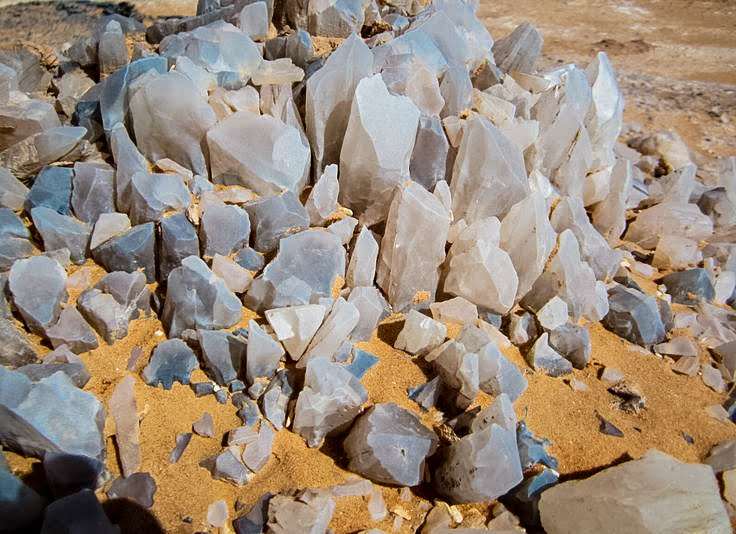
The Crystal Mountains in Egypt, near the Sinai Peninsula, are famous for their stunning quartz and calcite crystal formations. These unique structures, formed over millions of years, are significant both scientifically and aesthetically. The region is also notable for its rich geological deposits and historical value in mineral exploration.
The trip was unforgettable, thanks in large part to our tour guide, who expertly drove us to all the sites en-route to the White Desert. It was evident that he knew the desert inside and out.


DAY 6
GREAT pyramid of giza
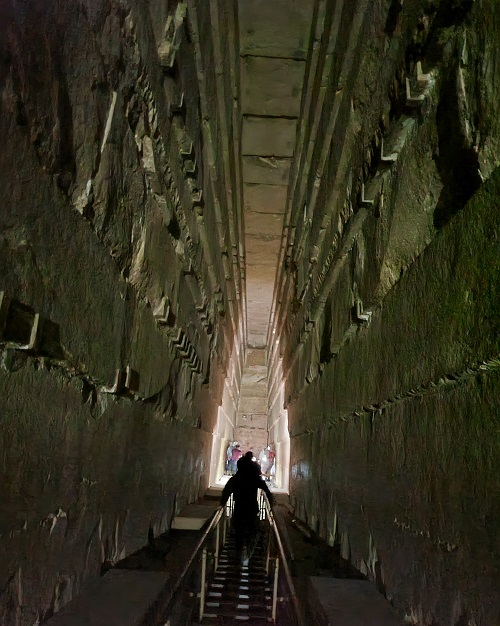
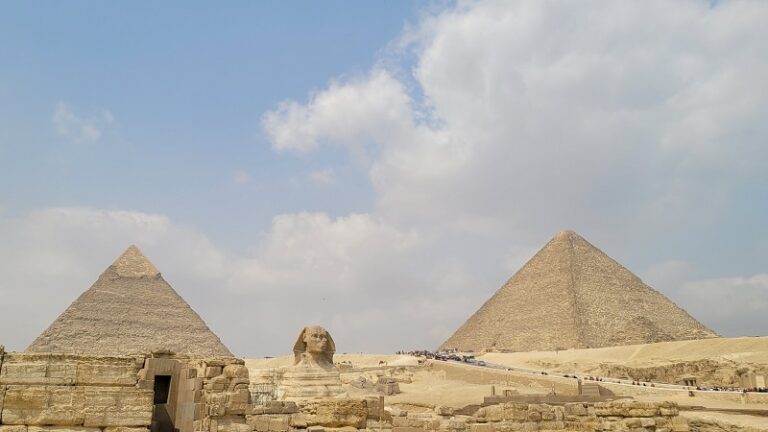
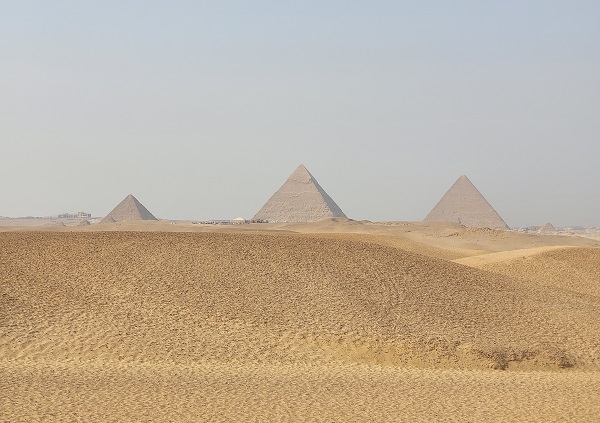
Great Pyramid of Giza: Reading about Egyptian history made traveling to Egypt feel more and more imperative. The journey began with visiting one of the Seven Wonders of the Ancient World: the Great Pyramid of Giza. The largest of the pyramids, it stands 481 feet tall and was built around 4,500 years ago as a tomb for King Khufu of the 4th dynasty. Most of the workers were farmers, and the stone blocks used to build the pyramid weighed about 2.5 tons each, roughly the weight of a baby elephant. Inside the Great Pyramid, a long narrow passageway called the Grand Gallery leads to two chambers known as the Queen’s Chamber and the King’s Chamber. Riding a camel through the sand beside the soaring pyramids and going toe-to-toe with the enigmatic Sphinx, the loyal guard and mythical hybrid of human and lion, was an unforgettable experience.
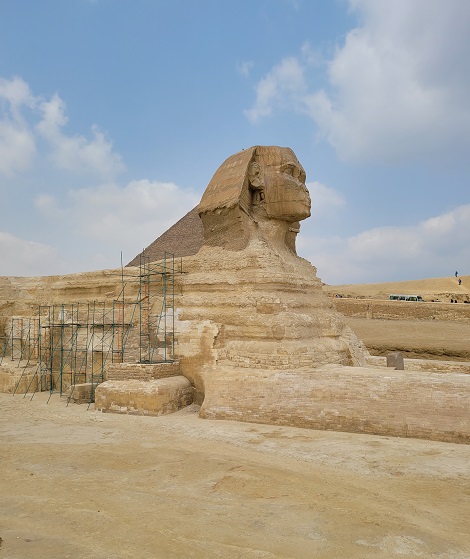
The Sphinx, situated on the Giza Plateau in Egypt, is a monumental limestone statue with a lion’s body and a human head, thought to represent Pharaoh Khafre. Constructed around 2500 BC during Khafre’s reign in the Fourth Dynasty of the Old Kingdom, it is celebrated for its immense scale and enigmatic symbolism.
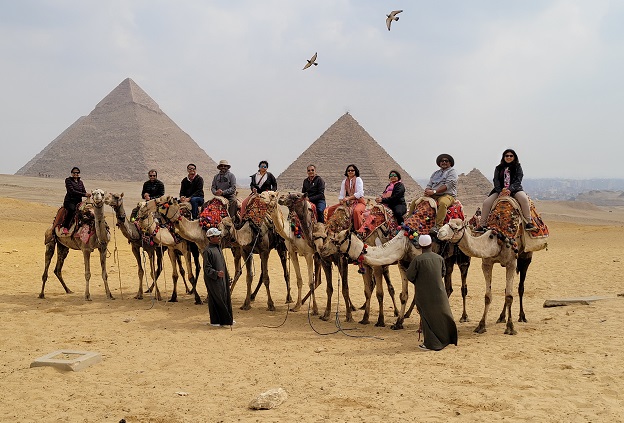
A camel ride at the Pyramids of Giza provides a unique and unforgettable way to experience these ancient wonders. Traversing the sandy landscape on a camel offers a distinct perspective of the pyramids, revealing angles often missed by conventional tours. The camel’s rhythmic motion and the expansive desert views enhance the adventure and historical connection. The ride not only presents stunning panoramic vistas of the pyramids and the Sphinx but also evokes a sense of historical continuity, reminiscent of ancient explorers. Photo stops along the way allow you to capture memorable moments against one of the world’s most iconic archaeological sites.
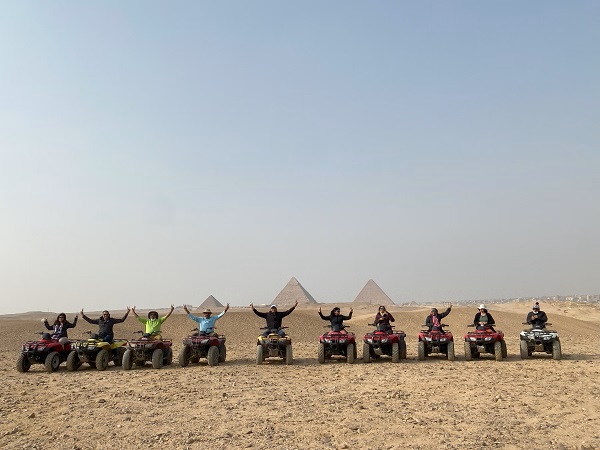
We enjoyed an amazing falafel at a local restaurant near the pyramids for a quick lunch. Following that, an ATV ride provided a fantastic experience and great photo opportunities. It offered a unique view of the pyramids without the usual crowds, making it a once-in-a-lifetime adventure. The light show at the pyramids was a bit disappointing, as we were expecting a thrilling laser display but found it to be just okay. Overall, the show could use a serious upgrade to become a true highlight.
DAY 7
egyptian museum and islamic mosque
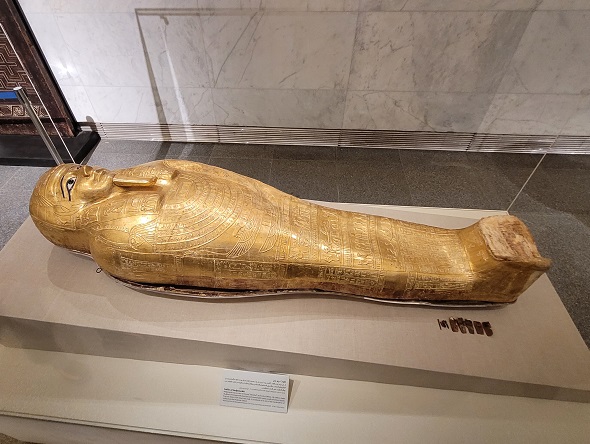
.The Egyptian Museum in Cairo is a key archaeological site with a vast collection of ancient Egyptian artifacts. Highlights include:
- Tutankhamun’s Treasures: Features the famous gold mask and other artifacts from Tutankhamun’s tomb.
- Mummy Room: Displays mummies and insights into ancient burial practices.
- Statues and Relics: Showcases statues, stelae, and artifacts from various dynasties.
With over 120,000 items, the museum provides a deep understanding of ancient Egyptian history and culture.
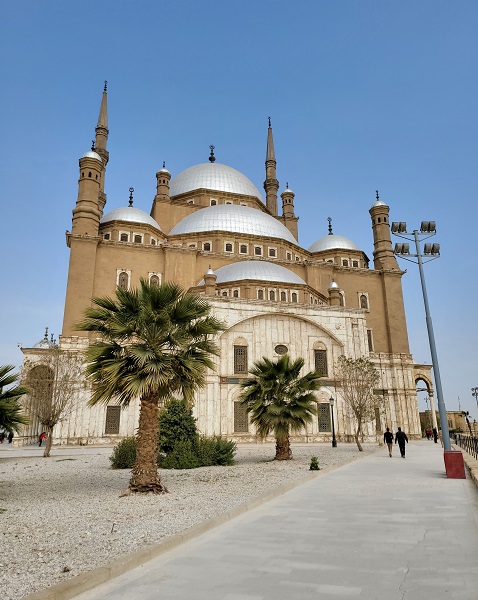
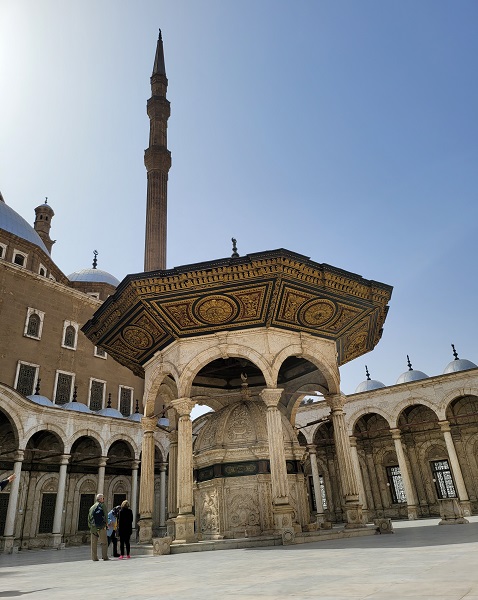
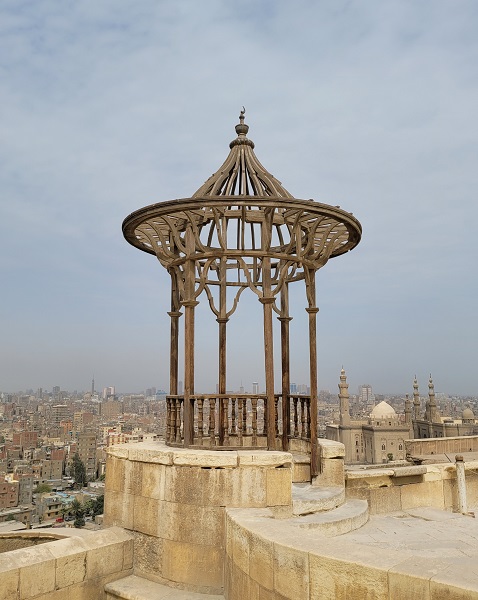
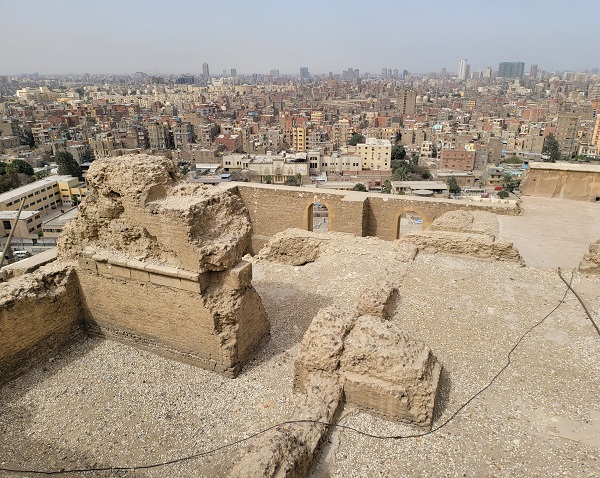
Visiting the Mosque of Muhammad Ali, located in the Citadel of Cairo, offers a glimpse into Egypt’s rich Islamic heritage. This grand mosque, built in the 19th century by Muhammad Ali Pasha, showcases stunning Ottoman-style architecture with its impressive dome and minarets. The mosque’s elevated position within the Citadel provides panoramic views of Cairo, enhancing the visit with both historical and scenic perspectives.
Coptic Cairo is a historic district renowned for its ancient Christian sites, including the Hanging Church and Coptic Museum. It offers a glimpse into Egypt’s early Christian heritage with significant churches and artifacts.


Useful Notes:
- Best time to travel (October-April) .