









PETRA - Jordan
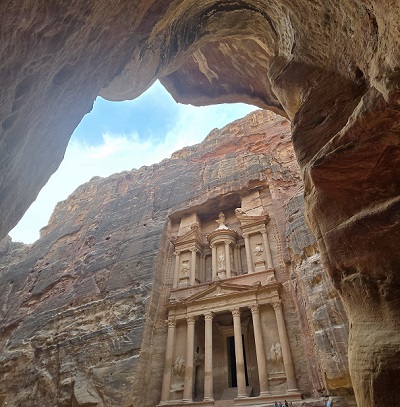
PETRA - Nothing beats the ultimate satisfaction of visiting 6th Wonder of the World - especially the awe-inspiring first sight of Petra.
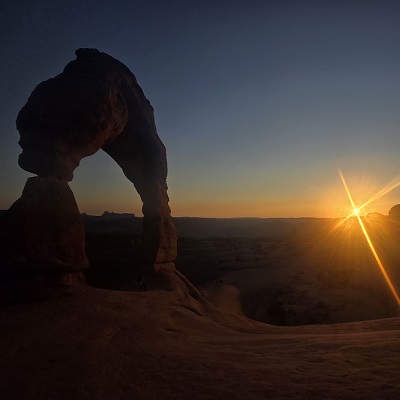
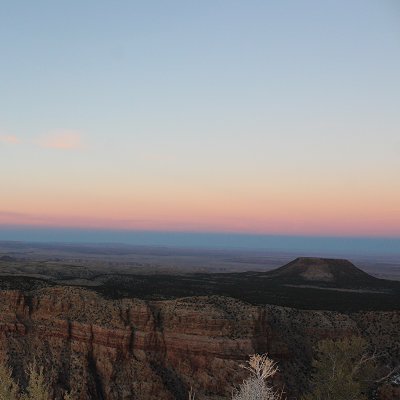
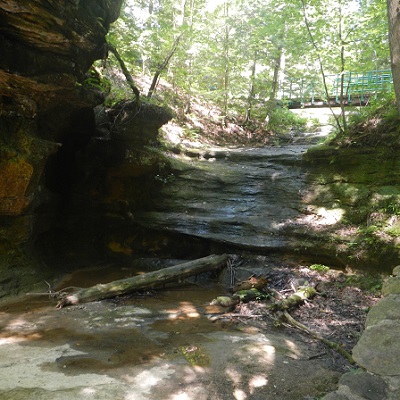
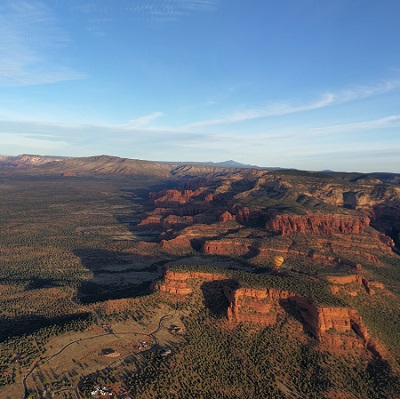
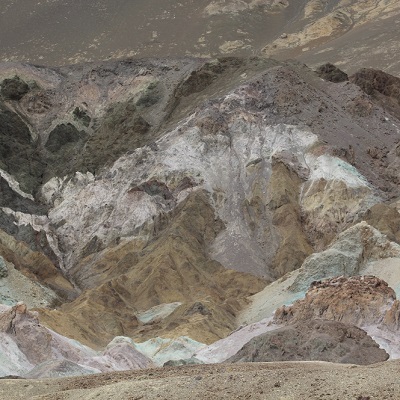
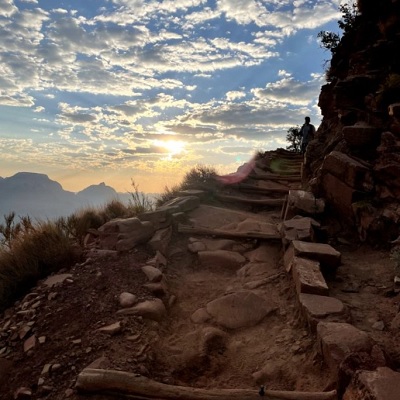
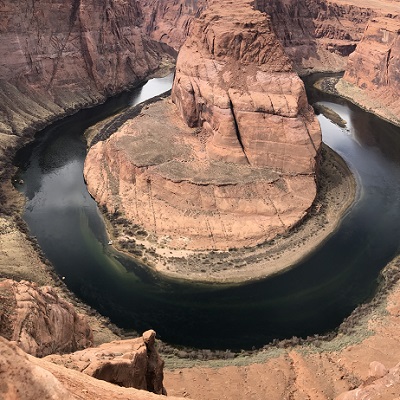
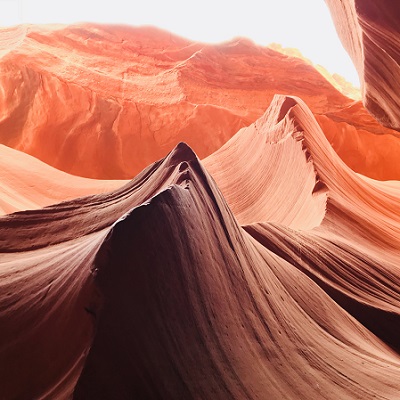
Stepping into Petra felt like entering a continuous path carved by giants, flanked by deep canyons and towering crimson sandstone cliffs that rose around me like ancient sentinels. To be completely honest, as I began the two-mile trek through the narrow, arid passages of the Jordanian desert, I secretly questioned how it had earned its crown as one of the New Seven Wonders of the World. Having seen landscapes like the Grand Canyon and Lower Antelope Canyon, I couldn’t help but feel at first that those natural spectacles were visually superior.
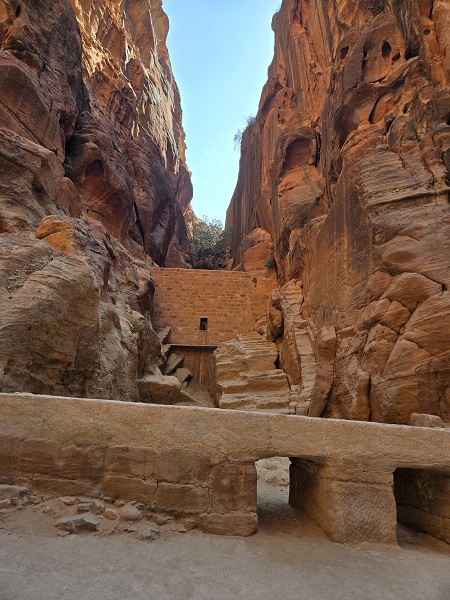
But as the path deepened, the true magic of the ancient Nabataeans revealed itself. My guide pointed out intricate water channels etched directly into the stone, leading to massive underground chambers and ingenious dams dating back to 300 B.C. I quickly realized that Petra isn’t just a scenic wonder; it is a mind-blowing feat of ancient engineering. These master builders managed to tame devastating flash floods and preserve millions of gallons of water, miraculously transforming a harsh, unforgiving desert canyon into a thriving, historic wonder of world.
- Phone:+1 (859) 254-6589
- Email:info@example.com
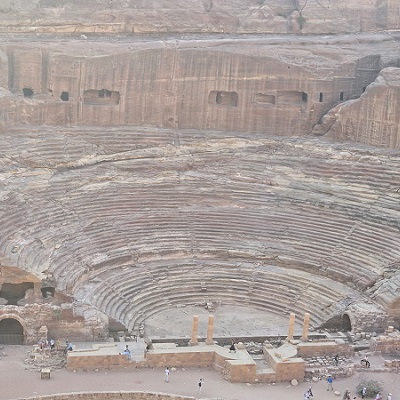
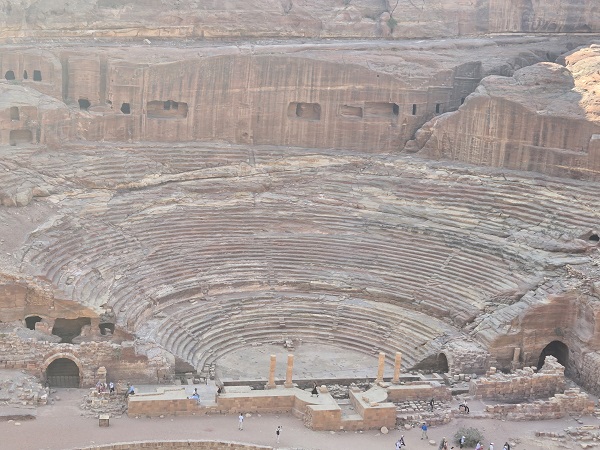
Theater View
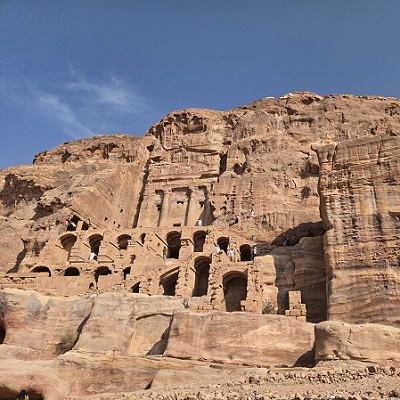
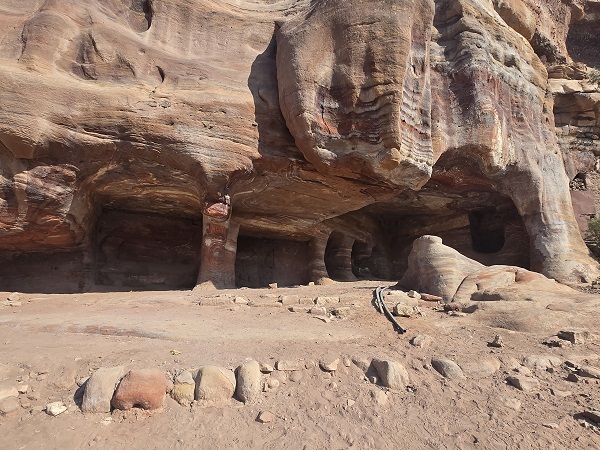
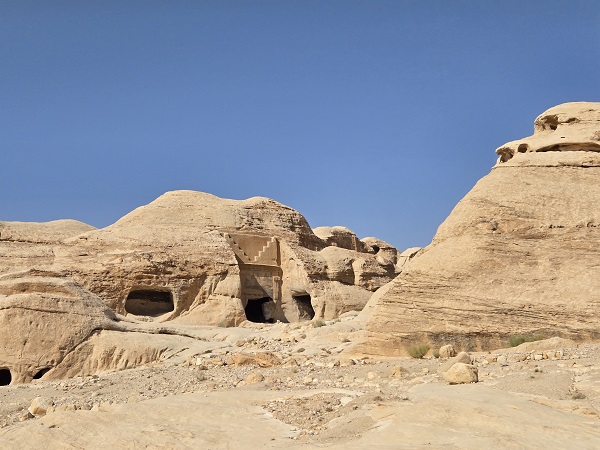
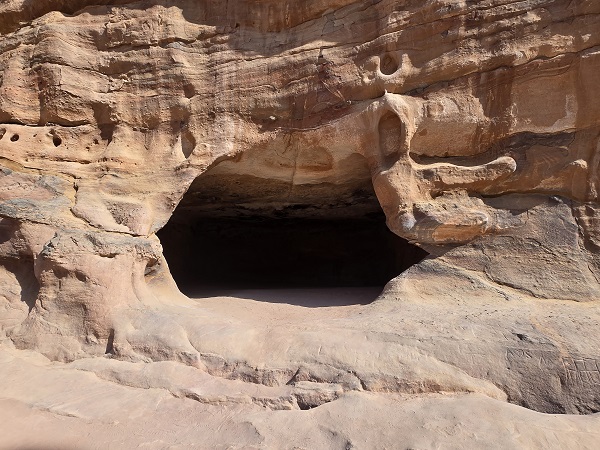
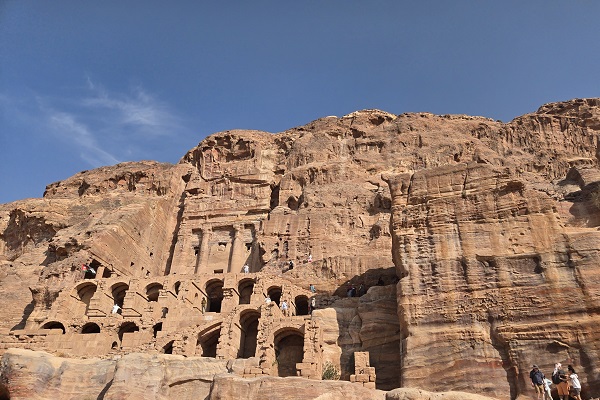
Tombs
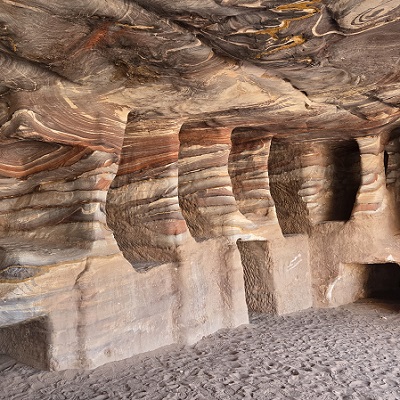
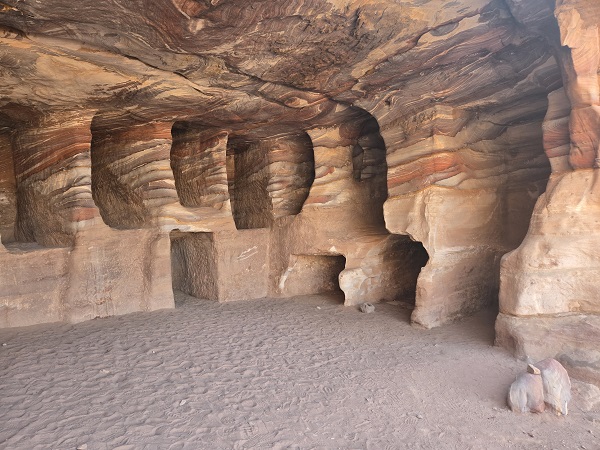
Colorful Tombs
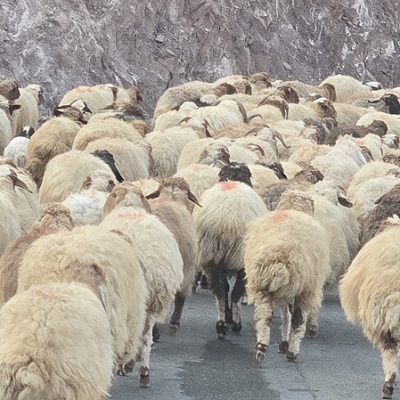
Goats

PETRA - JORDAN - One of the 7 wonders of world.
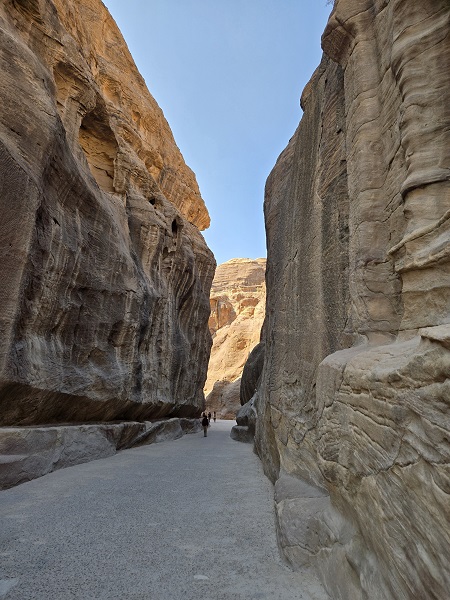
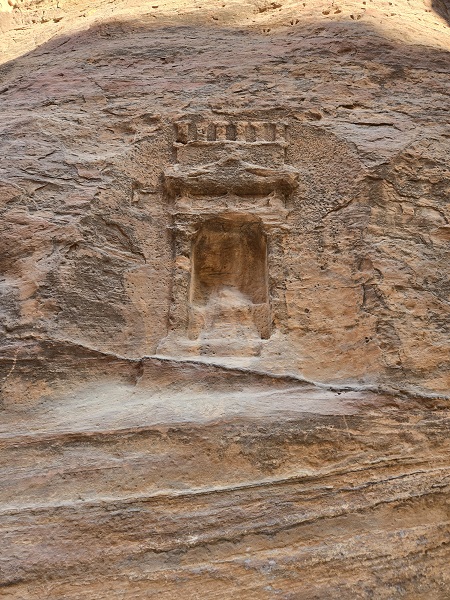
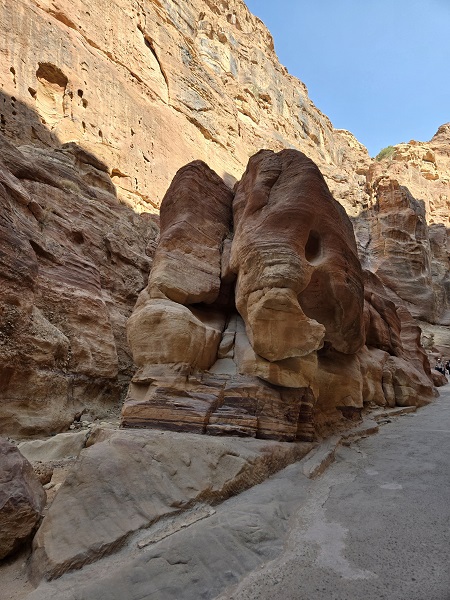
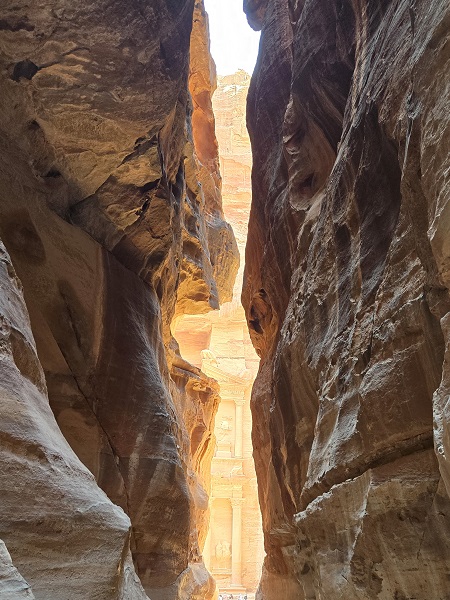
Entering Petra feels like stepping into another world! Our journey started with a quick 10-minute horse ride right up to the entrance of the Siq—a massive, 1.2 km narrow gorge that serves as the dramatic gateway to the ancient city. I became instantly obsessed with the undulating, colorful stripes in the stone walls as they twisted and curved above us. Walking through the shadows, you can easily picture ancient spice traders trudging through this exact path. The scale here is absolutely mind-blowing. Among the many wonders along the trail, my favorite points of interest inside the Siq were the Sabinos Alexandros Station, the long row of intricate votive niches, and a fascinating rock formation that perfectly resembled an elephant. Because the path twists so much, I found myself turning every single corner thinking this would be the moment I’d finally see the Treasury. It’s a beautifully deceptive walk that takes about 20–45 minutes from the front gates, building the ultimate anticipation!
Mind-blowing facts about the Siq:
- Natural Wonder: It is actually a geological fault line shaped by tectonic forces and smoothed by ancient water flows.
- Towering Cliffs: The canyon walls rise up to 180 meters (590 feet) high, narrowing to just 10 feet wide in some spots!
- Ancient Engineering: The Nabataeans carved channels along the walls to direct drinking water safely through clay pipes.
- Sacred Carvings: The path features ancient inscriptions and remnants of carved deities meant to protect travelers.
- The Hollywood Connection: It gained widespread international fame as the hidden home of the Holy Grail in Indiana Jones and the Last Crusade (1989).
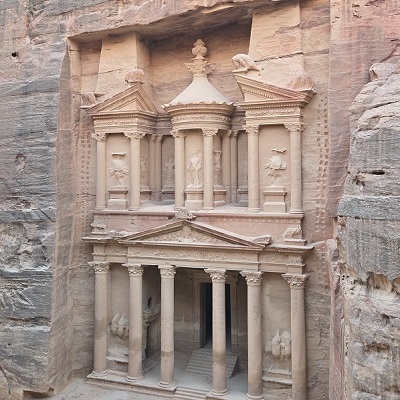
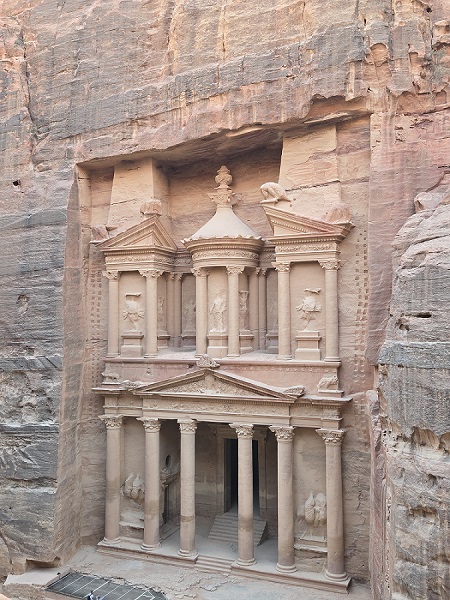
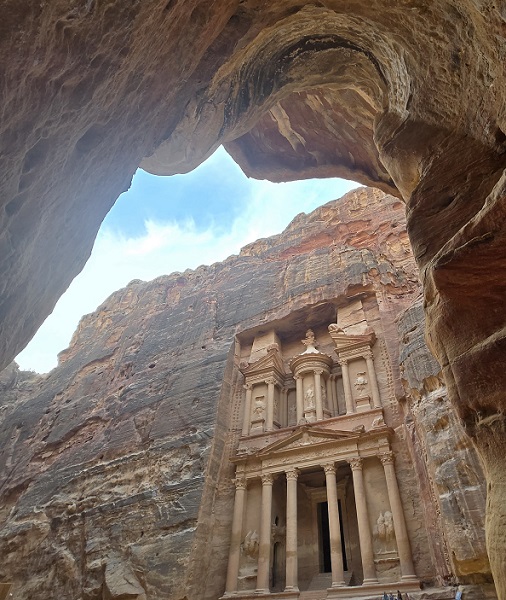
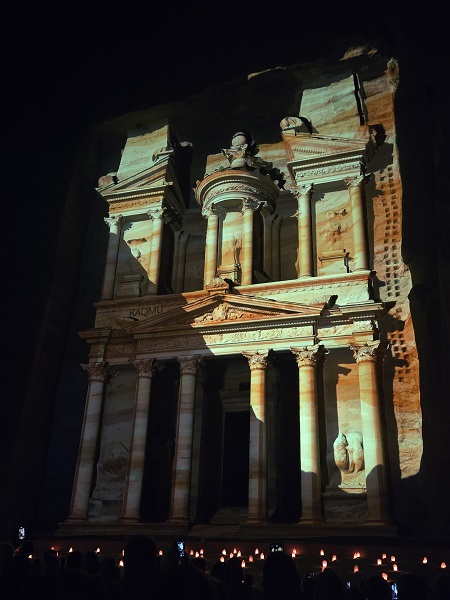
- The Architecture: The facade features Corinthian pillars and an upper tholos (circular dome). Carvings include the Greek gods Castor and Pollux, dancing Amazons, and Isis-Tyche, a powerful blend of Egyptian and Greek deities of good fortune.
- The Legend of the Urn: The name “The Treasury” comes from Bedouin folklore claiming an ancient pharaoh hid treasure in the top urn. You can actually spot bullet damage on the facade from early treasure hunters trying to shoot it open—completely unaware that the urn is solid sandstone.
Distinguishing itself from Petra’s many rock-cut tombs, the Monastery was built as a grand hall for sacred ritual banquets rather than a mausoleum. It easily stood out as the crown jewel of my entire journey through the ancient city. The building’s majestic facade is a true visual masterpiece, made even more imposing by the jagged mountain peaks framing it from behind. Compared to the bustling chaos of the Treasury plaza, the vibe here was wonderfully tranquil and unhurried, with far fewer vendors and crowds competing for space. Across the plaza, weathered stone ledges provide a natural front-row seat to relax and take in the view. Making the moment even better, our guide brought plenty of theatrical energy to the afternoon, staging and filming cinematic video clips of couples approaching the monumental doorway.
Before making our way back down to the ancient heart of Petra, I followed a rugged trail directly across from the Monastery that climbed to the western crest of the cliffs, unveiling a vast, majestic panorama over the sweeping dunes of the Wadi Araba desert.
Making our way back down to the Treasury, we paused at a low rock ledge, taking advantage of the vantage point to strike a few poses and capture plenty of pictures. To top it off, we conquered a steep set of stone stairs to look down upon the magnificent façade from high above. Witnessing this legendary wonder from an aerial perspective and snapping those final, breathtaking shots was the ultimate icing on the cake, perfectly cementing our incredible travel memories.
We were exhausted after a long day, but seeing Petra at night made it all worth it. The night began with walking 1.2 kilometers through the shadows of the Siq at night felt like stepping back in time. Emerging to see the Treasury bathed in the warm glow of countless paper lanterns was an absolute dream—totally distinct from its daytime persona. While the show was minimalist, centering on a lone flute player and changing colored lights, the historical narrative it displayed was deeply impactful. In hindsight, experiencing this on our first night would have been ideal, as the history we learned would have beautifully framed our entire journey through the Rose City.
Petra’s rich history made our journey through the ancient site even more captivating. While the city is famous as the stronghold of the Nabataeans, archeological evidence shows that humans occupied these canyons as far back as 7,000 years ago. Petra rose to prominence as the Nabataean capital in the 2nd century B.C., flourishing into a bustling commercial epicenter that brought immense wealth to its people. At its peak, this desert metropolis housed a population of nearly 20,000. Despite defying numerous invaders over the centuries, the independent kingdom finally fell to the Roman Empire in 106 A.D.
Earned from the warm, pink hues of its sandstone cliffs, Petra’s famous moniker as the “Rose City” comes alive as the stone glows at sunrise and sunset. The Nabataeans carved their entire city directly into these raw cliffs using a subtractive method that demanded extraordinary precision. Because there was absolutely no room for structural error, builders had to visualize the final design from the start, meticulously cutting from the top down. Their mastery as engineers and artisans shines through in the intricate facades, monumental tombs, and sophisticated water management networks, complete with dams and clay pipes lining the canyon paths. Watching this hand-carved masterpiece emerge from the shadows of the gorge is a spellbinding experience. It is the exact moment you realize Petra wasn’t constructed—it was sculpted right out of the heart of the mountain.
PETRA - Facts
Lost City – Petra flourished from the 1st century B.C. until 363 A.D., when a devastating earthquake led to its decline and eventual abandonment. Hidden from the world for centuries, it remained forgotten until 1812, when Swiss explorer Johannes Burckhardt rediscovered it earning Petra its legendary title as the “Lost City.”
Rose City – Petra is often called the “Rose City” because of the stunning red-pink hues of its sandstone cliffs. At sunrise and sunset, the rock glows warmly, making the entire city appear almost alive with color.
Ancient Capital – Established in 321 B.C., Petra became the capital of the Nabataean Empire. Its strategic location helped it grow into a powerful and wealthy center of trade and culture. Once upon a time 20000 people were living in Petra.
Name Meaning – The name “Petra” comes from the Greek word petros, meaning “rocks.” It’s a fitting name for a city quite literally carved out of stone.
The Treasury (Al-Khazneh) – Petra’s most famous structure, the Treasury, is often mistaken for a vault of riches. In reality, it was built as a mausoleum and crypt, believed to be the final resting place of Nabataean King Aretas IV.
Tombs – Petra is home to more than 1,000 tombs carved into its cliffs. This vast number makes it one of the largest royal tomb complexes in the world, reflecting the Nabataeans’ strong beliefs in the afterlife.
Entrance – The Siq – The main entrance to Petra is the Siq, a narrow 1.2-kilometer gorge formed by centuries of wind and water erosion. Walking through it feels like a dramatic reveal, with towering cliffs slowly guiding visitors toward the city.
Irrigation & Gardens – Despite its desert setting, Petra once had lush gardens, fountains, and pools. A sophisticated irrigation system captured and stored water, allowing the city to thrive in an otherwise harsh environment.
Mostly Undiscovered – Only about 15% of Petra has been excavated so far. The remaining 85% still lies hidden underground, suggesting that much of the city’s story has yet to be uncovered.
Nabataean Residents Today – While most ancient inhabitants left long ago, some Nabataean descendants remain. The Bedouin tribe B’doul still lives and works in Petra, maintaining a living connection to its past.
Theatre – Petra also features a massive stone-carved theatre built during the reign of King Aretas IV. Carved into the mountainside, it could accommodate approximately 4,000 spectators.
Useful Notes:
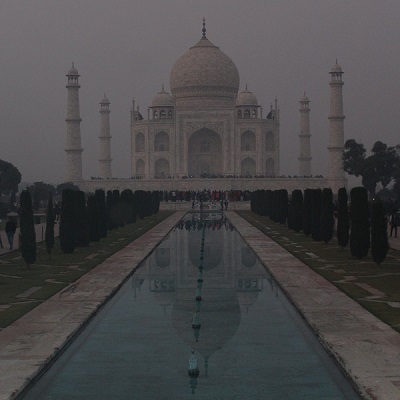
- Taj Mahal (India)
- Colosseum (Italy)
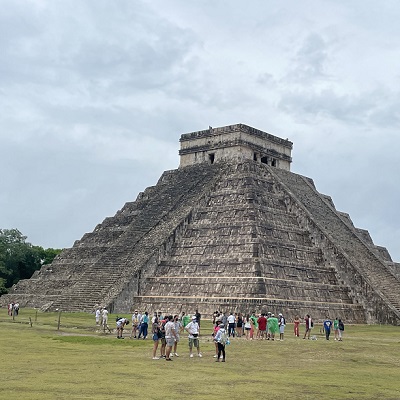
- Chichen Itza (Mexico)
- Machu Picchu (Peru)
- Christ the Redeemer (Brazil)
- Petra (Jordan)
- Great Wall of China (China)