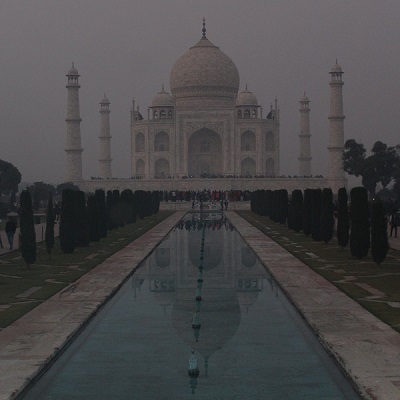
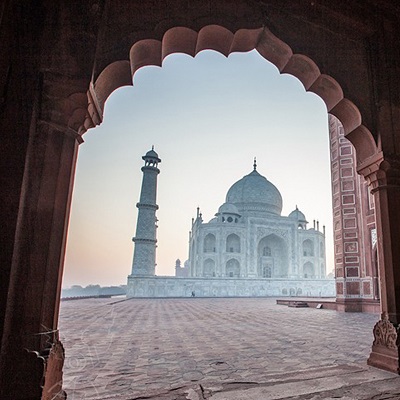
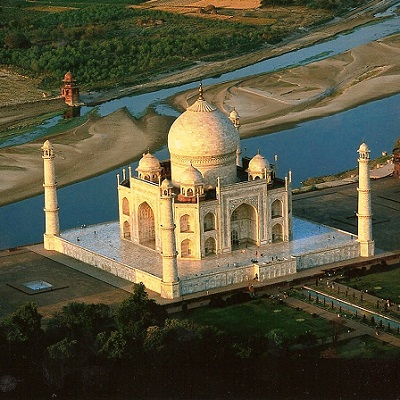
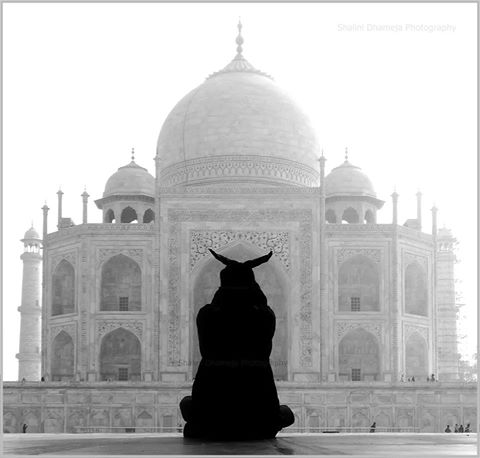
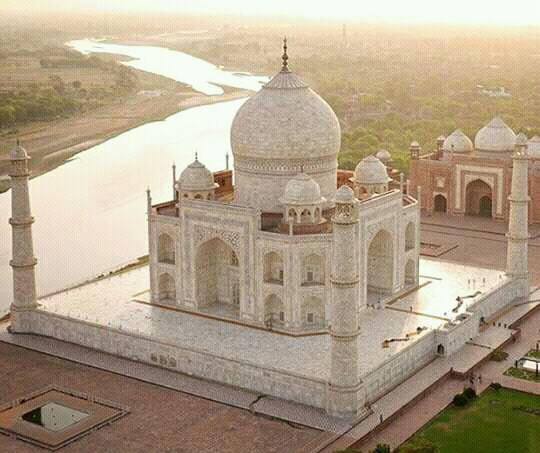
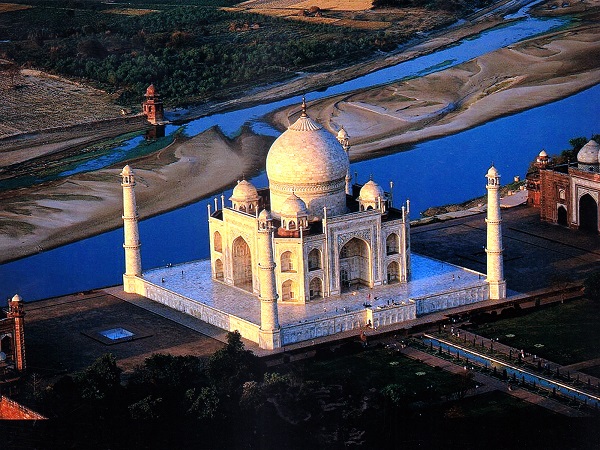
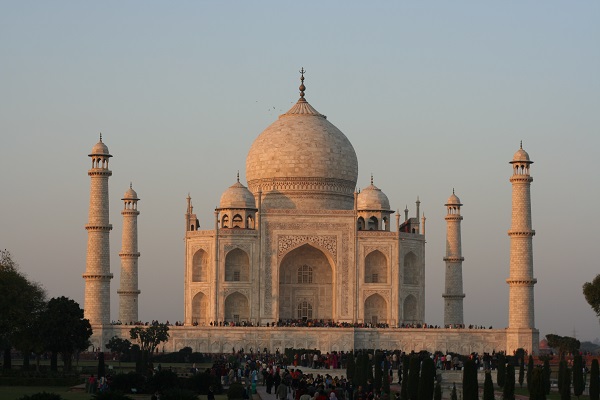
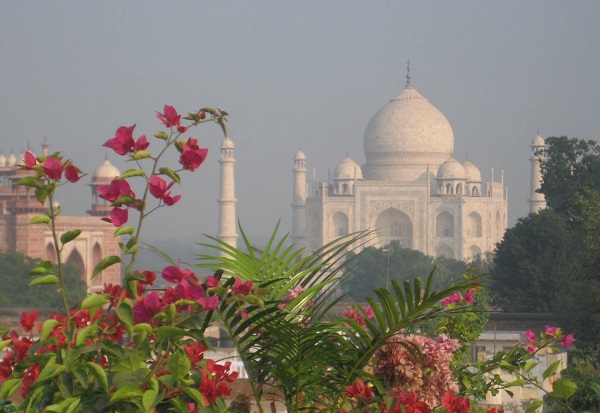
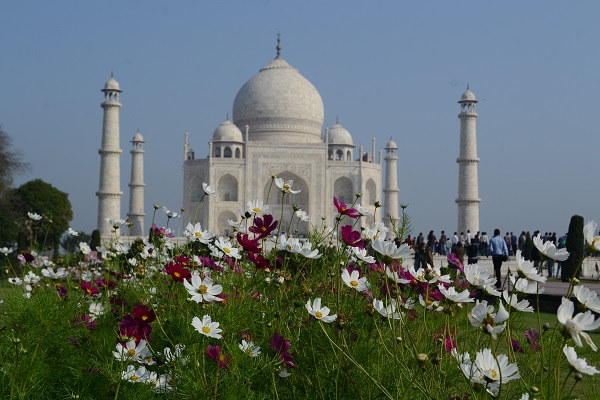
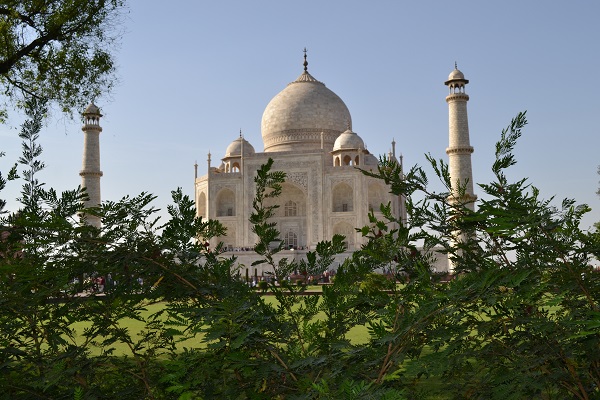
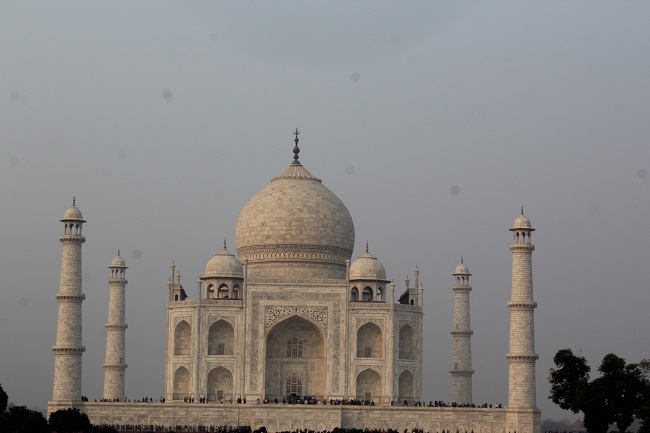
This “Dream in Marble” stands on the southern bank of the Yamuna River in Agra, India, and remains a pinnacle of architectural achievement. The Taj Mahal is far more than a monument; it is a profound experience that captures your breath the moment it comes into view. To stand before it is to step into a living canvas—one that feels both mystical and serene. Its ivory marble is a chameleon of light, shifting from a soft morning gold to a regal midday brilliance, before softening into a romantic glow under the stars. It is as if the structure itself breathes in harmony with the shifting sky.
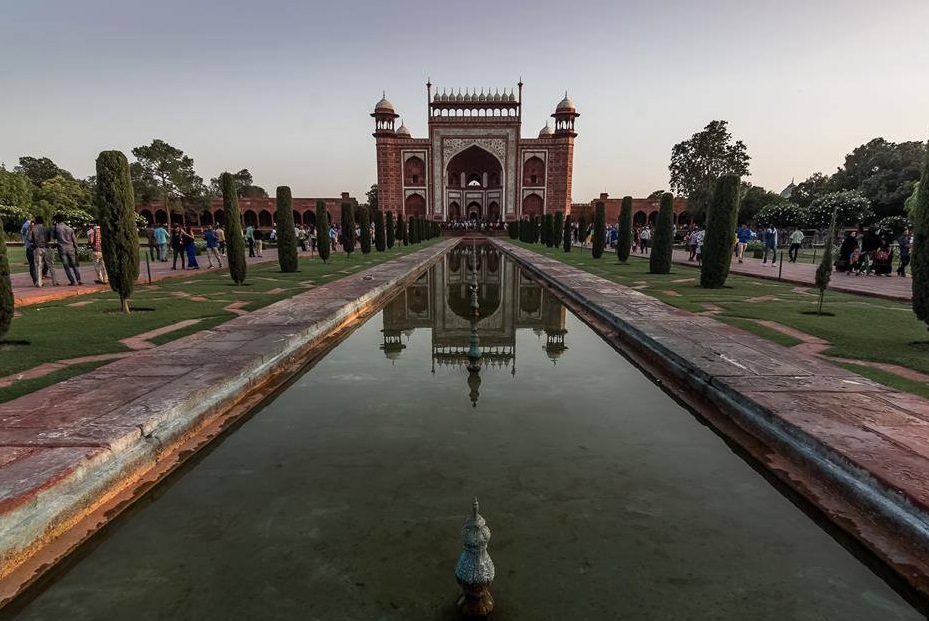
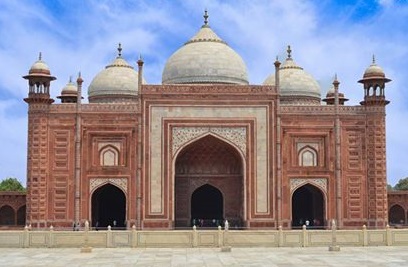
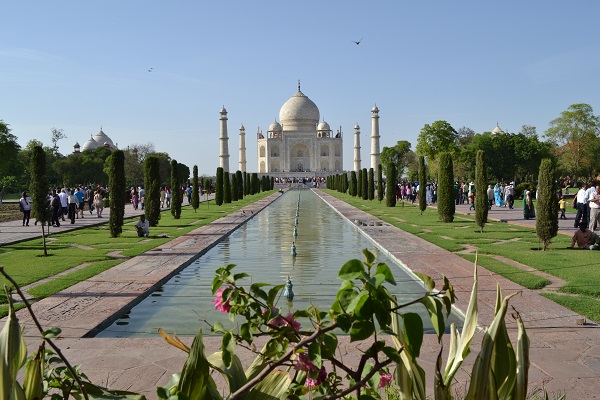
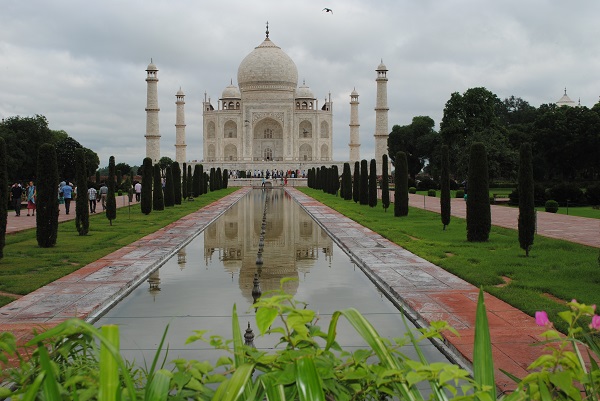
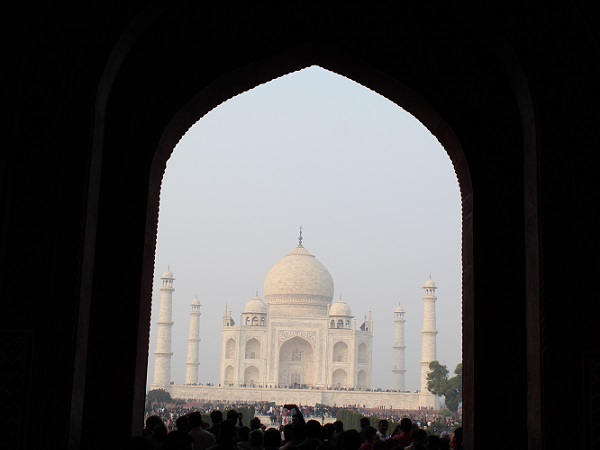
The Jilaukhana, the grand forecourt of the Taj Mahal, serves as the ceremonial eastern entrance and a vital architectural prelude to the main monument. Built from striking red sandstone, this expansive courtyard was designed to act as a transitionary space, separating the mundane world outside from the spiritual and aesthetic sanctity of the inner complex. Its symmetrical arcades and wide-open spaces create a sense of order and calm, effectively preparing the mind for the grandeur to follow. The architectural centerpiece of this transition is the Darwaza-i-Rauza, or the Great Gate. As you approach this humongous structure, its towering height and intricate marble inlays serve as a dramatic frame for what lies beyond. The gate is intentionally massive; it is designed to dwarf the visitor, heightening the sense of anticipation and reverence before the final reveal. Passing through the cool shadows of the Darwaza-i-Rauza provides a truly cinematic moment. As the darkness of the archway gives way to light, you catch your first glimpse of the Taj Mahal, framed perfectly within the gateway’s silhouette. In that instant, the transition is complete — you are no longer merely a traveler, but a witness to a breathtaking vision of timeless beauty, one that feels as though it belongs to another world. The long reflection pools mirror the monument with stunning precision, doubling its presence and making the brilliance of Mughal craftsmanship appear even more magical. The charbagh opens into four grand quadrants, each further divided into sixteen sunken flowerbeds, creating a vast 300-meter square. Its design reflects flawless symmetry, balance, and order. Filled with blooming flowers, fruit-bearing trees, and birdsong, the garden serves both visual and symbolic purposes — a carefully crafted earthly vision of paradise expressed through harmony, geometry, and elegant design.
The artistry is unparalleled—every intricate inlay and archway whispers a narrative of devotion and timelessness. Its flawless symmetry creates an illusion of weightlessness, as if the entire edifice is floating. Surrounded by manicured gardens, a mirror-like reflecting pool, and the quiet flow of the Yamuna River, the atmosphere is one of complete transcendence. It is a rare masterpiece that moves the soul as much as it impresses the eyes, standing as a true testament to human creativity and the enduring power of love.